
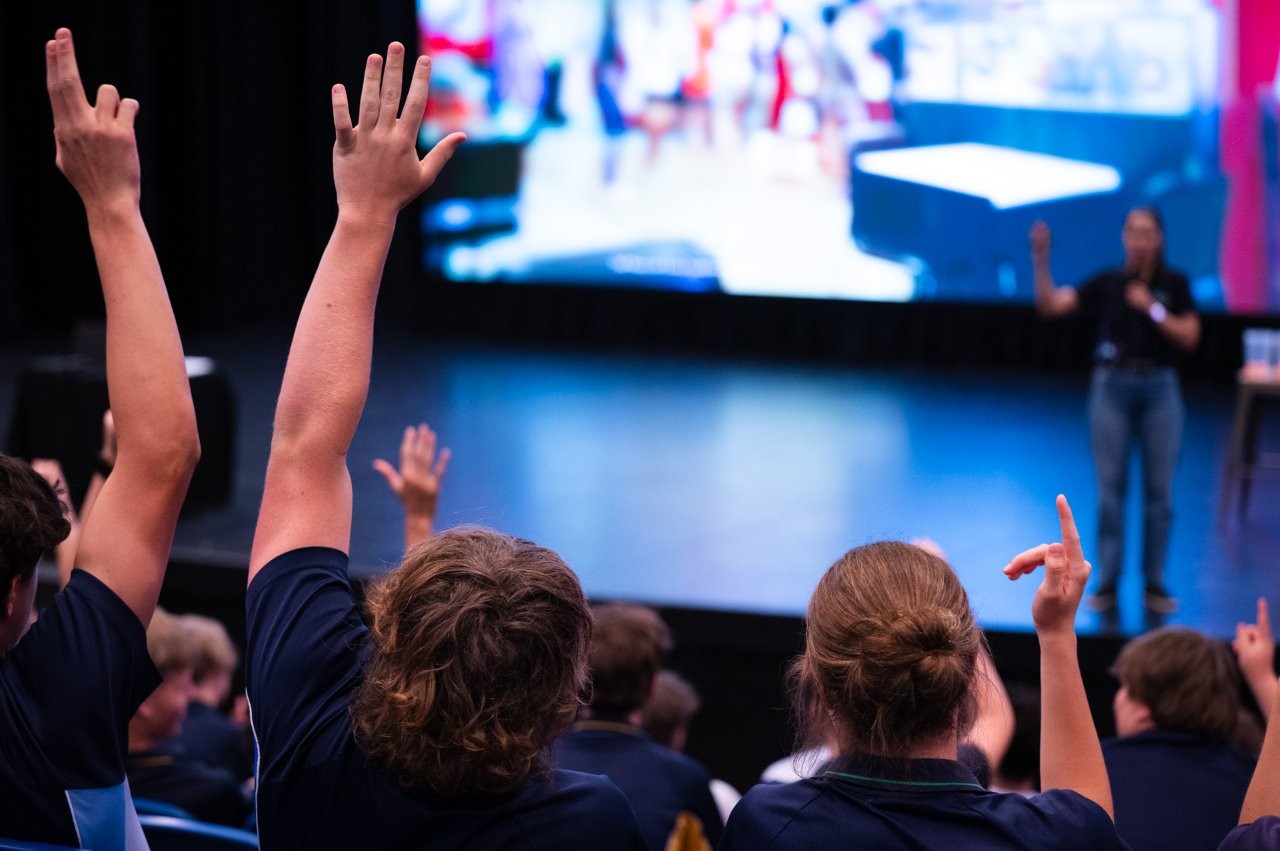
Talk Money is a purpose built, evidence-based, curriculum-aligned series of workshops for students in Year 5 onwards offered to schools across Australia. Through these workshops I have observed growing interest in gambling-related topics among young people, often in forms that look very different from traditional gambling.
The financial environment young people are navigating today is changing rapidly. Gambling and gambling-like activities are increasingly embedded in the digital spaces where young people play, socialise and engage with entertainment. As educators, we need to better understand these changes and their implications for financial wellbeing.
We can’t ignore the data – adolescents are gambling
Research from 2025 shows that 30 per cent of 12- to 17-year-olds and 46 per cent of 18- to 19-year-olds had gambled in the previous year. Youth are increasingly being exposed to gambling-like behaviours through online games such as Roblox, where players can purchase or risk loot boxes for the chance to win rare or more valuable items.
These chance‑based mechanisms teach children to chase unpredictable rewards, normalising the emotional patterns that underpin gambling. Games often use manipulative, gambling‑like tactics, including dark patterns (design features that coerce or trick users into making purchases or signing up for services), intermittent rewards and the thrill of near misses. These tactics can shape behaviour long before young people are developmentally able to recognise the associated risks. Occasional wins reinforce the cycle, embedding habits and expectations that may influence future attitudes toward gambling.
Given the high rates of participation, gambling harm should be recognised as an important issue affecting the financial wellbeing of children and young people.
Gambling behaviours in young people
To better understand what educators are seeing in schools, I spoke with André De-Villiers, PDHPE Health, Teachers’ Association, and host of the PDHPE Pulse podcast.
De-Villiers believes that gambling-related behaviours are appearing at increasingly younger ages. He points to conversations among students about “gacha” games, which use randomised reward systems that encourage players to spend in-game, and in some cases, real money for the chance to obtain new characters, online items or upgrades.
According to De-Villiers, many young people are being exposed to gambling-like experiences long before they are developmentally ready to recognise the risks.
More investment is needed from academics, professional teaching associations and gambling harm organisations to develop high-quality, classroom-ready resources that help educators embed gambling awareness within financial capability education.
“What young people often don’t see and what is not being spoken about by families and communities are the pitfalls of gambling culture, with the social impacts and stigma remaining hidden from them,” he adds.
For educators this raises important questions about how schools can help students understand these influences before harmful patterns become established.
What can schools do?
Schools cannot solve gambling harm on their own, but they can play an important role in helping young people develop the knowledge and skills needed to make informed decisions.
Gambling awareness currently appears in some curriculum areas, most commonly in PDHPE and in mathematics when covering probability and chance. However, learning is often limited and may not explicitly link gambling with financial decision making and wellbeing.
One opportunity is to view gambling through a financial literacy lens. Very few schools explore it explicitly as part of financial literacy programs. While students are learning about spending decisions, recognising scams and understanding financial risk, they can also learn to critically examine gambling products and gambling-like features in games and online environments.
By helping students understand the concepts of risk, probability, advertising influences, opportunity cost and decision making, schools can teach students the important skills and tools that they need to navigate the increasingly complex financial environment.
Supporting educators
Many educators already teach aspects of gambling awareness through existing curriculum requirements, but they need access to high-quality resources and professional learning opportunities.
Free teacher resources are available through organisations such as GambleAware and Talk Money. However, more investment is needed from academics, professional teaching associations and gambling harm organisations to develop high-quality, classroom-ready resources that help educators embed gambling awareness within financial capability education.
Professional teaching associations, which provide ongoing subject-specific learning, also have an important role to play in supporting teachers to address gambling harm and financial wellbeing.
While educators are well placed to raise awareness of gambling harm, they cannot do this alone. School sectors, school leaders, academics, professional teaching associations, and gambling harm organisations all have a role to play in supporting this work.
School leaders and education sectors can support educators through purposeful decisions about time, resources and professional learning, helping ensure that gambling awareness is appropriately incorporated into financial capability education.
The case for action
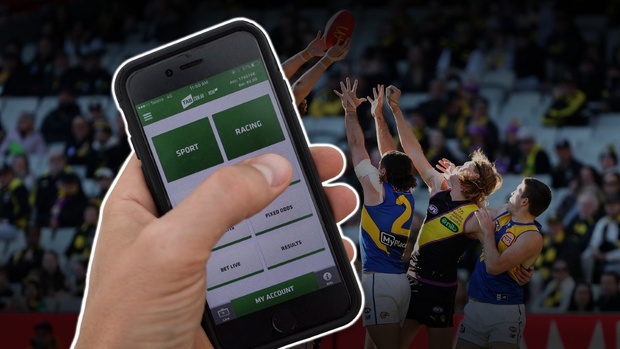
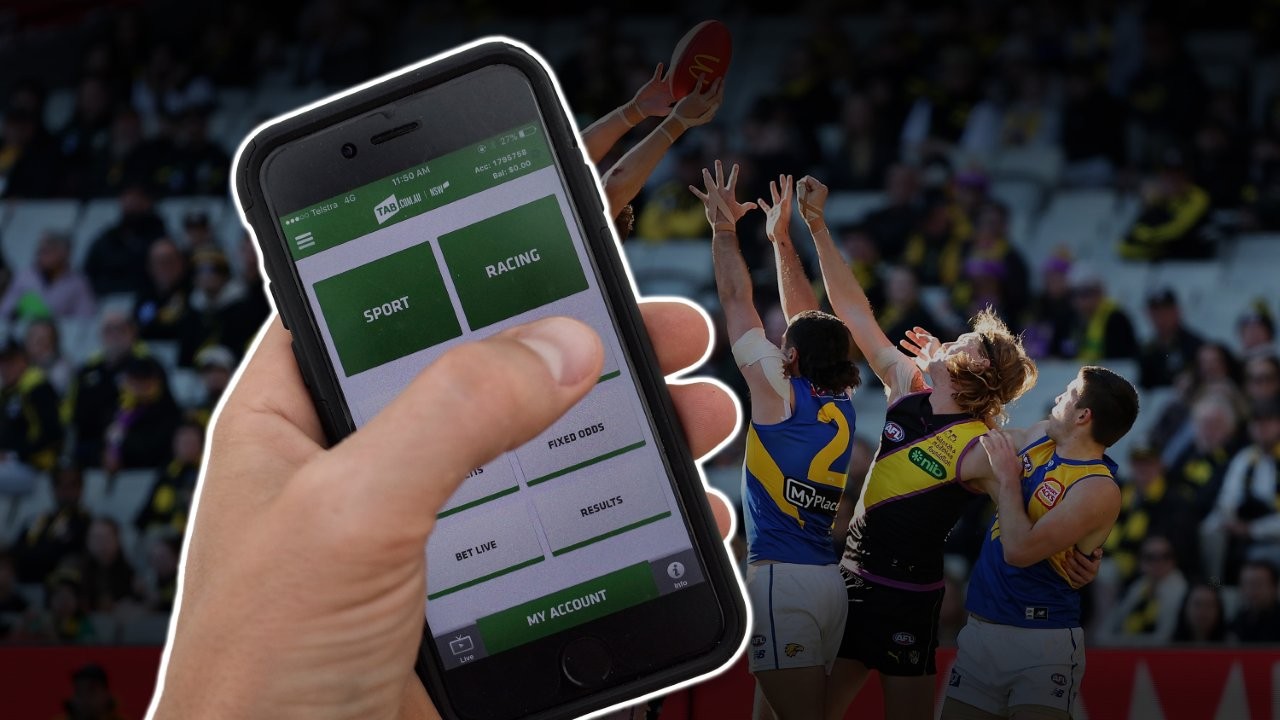
Young people today are growing up in environments where gambling and gambling-like activities are increasingly woven into sport, gaming and digital media. The issue can no longer be viewed solely as an adult concern.
While policy reform and regulation remain important, education also has a role to play. By incorporating gambling awareness into financial literacy education, schools can help young people recognise risks, think critically about financial decisions and build the capability needed to protect their long-term wellbeing.
As educators and learning providers, we have an opportunity to give young people the knowledge and skills they need before harmful behaviours become established. The earlier these conversations occur, the better prepared young people will be to make informed decisions in an increasingly complex financial landscape.
Ecstra Foundation and Talk Money will be running a free webinar on Tuesday, October 20, 4-5pm (AEDT) during Gamble Aware Week 2026. The session will explore practical ways educators can embed gambling awareness into financial literacy programs and strengthen student capability. Register here.