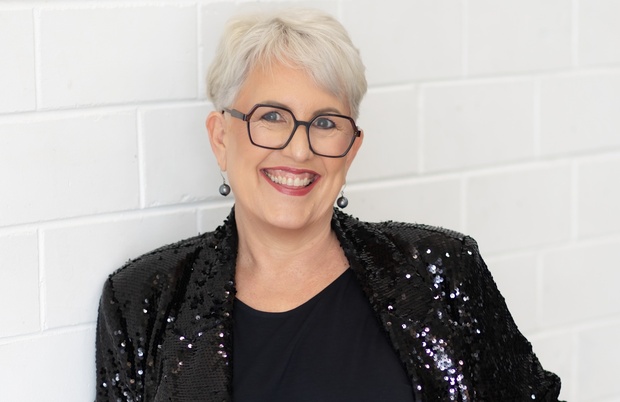
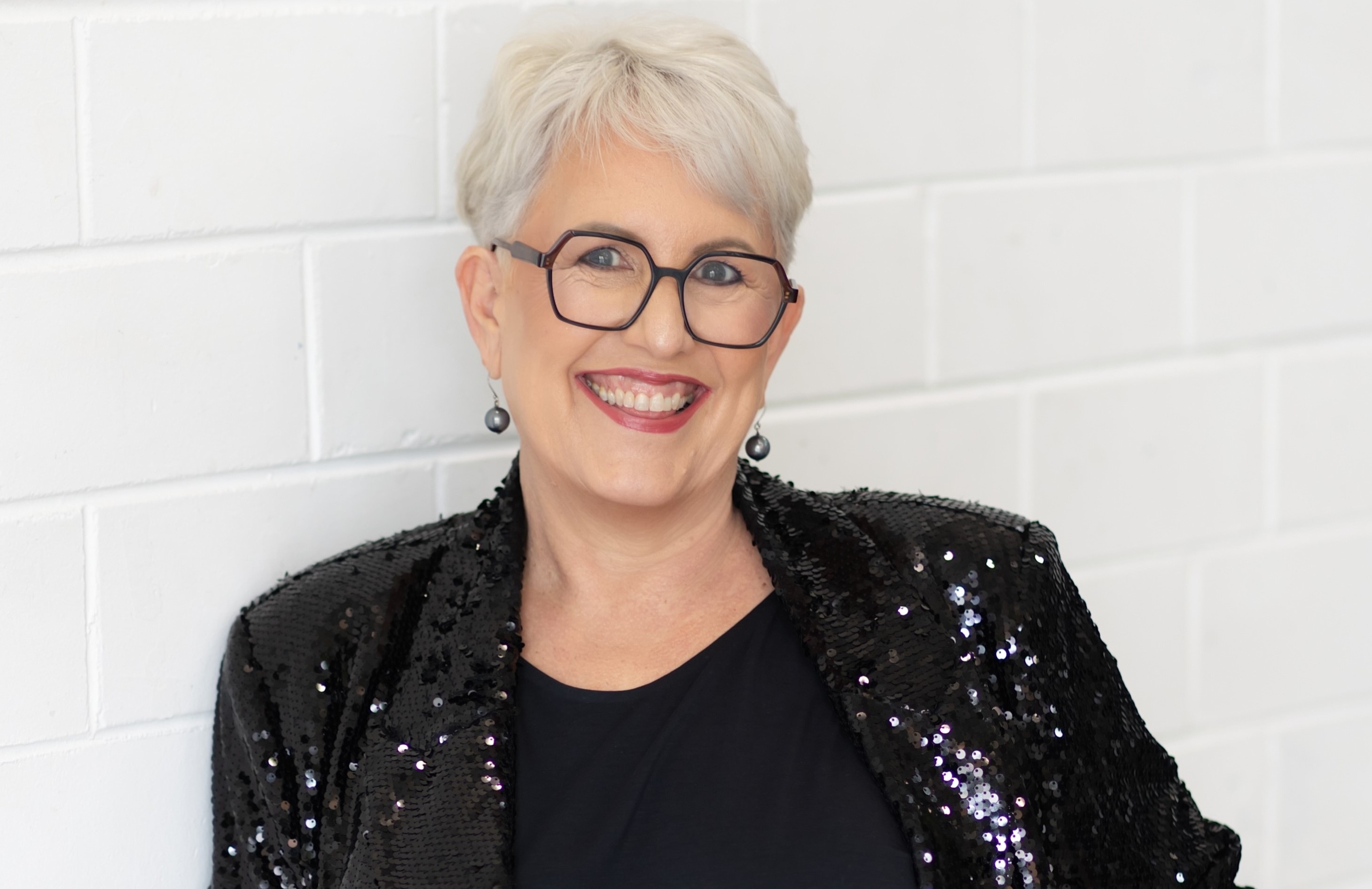
“I’d been happily splashing about in the warm water – actually quite enjoying it. But it just got hotter and hotter and hotter,” Cole tells EducationHQ.
As the leader of a WA special school for students with a wide range of physical and intellectual disabilities, Cole’s work had always been complex and challenging, but the rewards and enjoyment it brought were profound.
Slowly, however, things began to head south.
“It was always hard work, hard physical work, but we loved it.
“Then we ended up with a cohort of children [where] their behaviour made it really hard to contain them and to educate them in this school.
“They were biting and scratching, so it wasn’t deliberate, it is part of their condition – but people were starting to get hurt.”
At the time there was no other way of telling the system her staff were being injured other than via filing workers compensation forms, Cole says.
But nobody seemed to take the situation very seriously at all, she reports.
“It was very much pushed back to, ‘Oh well, that’s what you expect and you’re working with kids with disabilities, that’s what you signed up for’.
“I was actually told not to submit incident forms unless someone was hurt, and I said, ‘I don’t, [but when I do, my staff are actually] bleeding’.”
Determined to improve conditions for both her own staff and wider colleagues in special education, Cole doubled down in her efforts to drive change at the system level.
“I was the president of the special needs principals’ association at the time, so I was advocating and turning up at meetings in central office, trying to make things better for our sector.
“[It got to] the point where I just thought if I tried harder, if I did more, if I advocated more, if I supported more, if I got to work earlier and left later then it would all just get better.”
It did not get better. And then came the message.
“I was actually in central office, the Department was launching its behaviour policy and I got a text on my phone that said, ‘X student had hurt X staff member’. I just looked at it and thought ‘oh god, here we go again’.”
There it was: Cole’s final straw.
“I got back to school and we had this crisis meeting where I said to everyone, ‘Look, you can go back into that room, you can either go back in and get on with it, or you can go on workers compensation because you all deserve it’.
“We fleshed things out a bit more, and then I just looked at them and at my deputy and said, ‘Or, Lorraine, you can ring the district director and tell him that the principal has left’.”
Cole picked up her handbag and marched out. She didn’t look back.
“I actually waited (in my car) to see if the cavalry was coming, [and then] drove away and that was it.
“I had not been thinking about [quitting] until that point. I just snapped and thought ‘I can’t do it anymore’.
The move brought with it a fresh set of challenges, Cole reflects, saying she mostly struggled with the thought that she’d let a lot of people down.
“I had just built a new house and I had a mortgage, and schools can be very institutionalising – you turn up and the bell goes, and you go full on for 10 weeks and then you’d have two weeks’ holiday…
“To be honest those first couple of weeks I don’t remember much what I did, what I do remember was nobody rang me from the Department – not one person, except obviously my friends and colleagues.
“No one above me rang.”
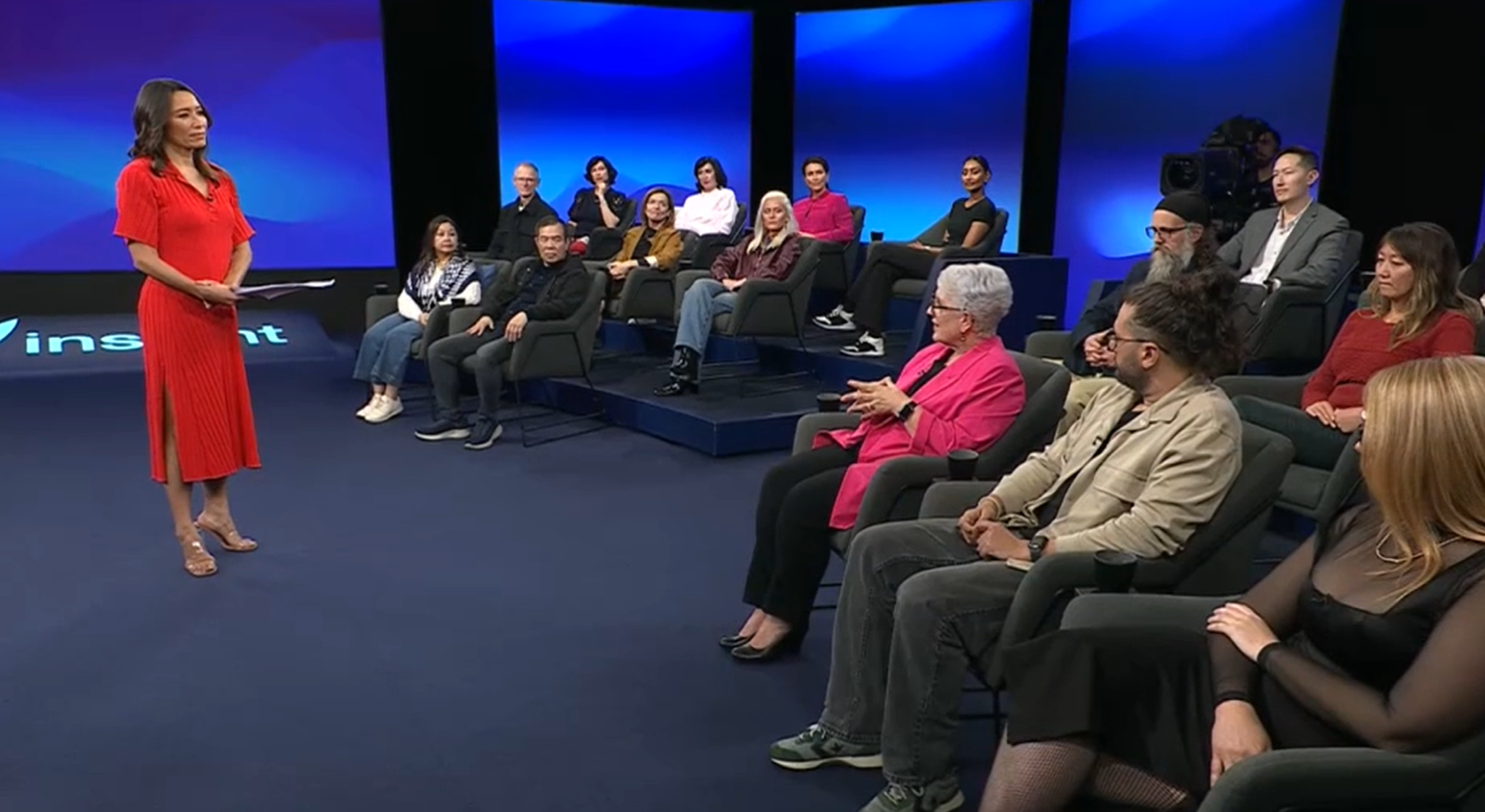
SBS Insight episode The Final Straw airs on SBS Tuesday 6 October at 8:30pm, or stream on SBS On Demand.
In the 10 years following the defining incident, Cole largely kept silent about her experience as a school leader.
But in her coaching work with principals and educators, around five years ago she says it became obvious that her story was not quite so unique.
“They were under an awful lot of pressure, I had people bursting into tears, I had people saying, ‘I just don’t know how much longer I can do this’ – and that was relatively new.”
The COVID pandemic, intensifying compliance measures, and cohorts of students with increasingly complex needs have seemingly compounded and driven a wave of burnout within the profession, Cole suggests.
“The kinds of kids that I was dealing with in my very specialised supportive special school are now in mainstream schools, and every classroom now has two or three or four or five kids who are very challenging to educate – not because teachers don’t want to and not because leaders don’t care, but just because they’re hard…
“And so … the water has got boiling for everyone, and I was kind of the canary in the coal mine. I say I was an ‘earlier adopter’.”
Cole went on to author Teach, Lead or Leave, a book described as ‘an honest, practical guide for every big-hearted teacher and leader who’s ever whispered, ‘How much longer can I keep doing this?’“
Cole says she offers six clear pathways for those grappling with the decision about whether to stay or leave the job they love.
“The impetus for writing my book was to share my story and say, ‘don’t do what I did, you have other options’ – and I suppose the publicity behind it somehow ended up in front of SBS…”
Tonight Cole will feature on SBS Insight’s ‘The Final Straw’ at 8.30pm.
“They asked (me to share my story) and I said, ‘yes, I’m ready’,” she says.
From toxic relationships to high-stress jobs and religious beliefs, the show unearths the insights from people who have reached breaking point and decided to take action.
To those educators currently weighing up their career options, Cole advises getting clear on your values and what you truly want from your job.
“…one (option) is to stay, and one is to quit. The others are all about deciding what it is that you want to do: do I want to stay in education but just change schools [or] move into another role, or am I going to leave? And if so, leave for what?...
“They’ve often given of themselves to kids and parents and education for so long that they’ve forgotten what it is that makes them happy and satisfied.”
Cole hopes viewers who tune in to The Final Straw absorb the message that there’s always hope.
“And to be honest, I have no idea what I said when I was on camera, that’s just completely blank from my mind,” she adds.
“But I hope people see that good things can come out of bad situations, and sometimes you need that old saying of hitting rock bottom, or just getting to a place that’s untenable, that actually makes you climb out and do things that are better in the long run.
“[It’s just that] you don’t see it at the time.”
SBS Insight episode ‘The Final Straw’ airs on SBS Tuesday, October 6 at 8:30pm, or stream on SBS On Demand.
*The views expressed in this article reflect those of one former school leader and do not necessarily reflect those of the author or those of EducationHQ. We welcome all views on Australian education and encourage readers to contact the news team at news@educationhq.com to share their take.