Extreme heat, more intense storms, flooding, and rising sea-levels – they’re all issues we face globally, but for Darwin residents they are having a more pronounced impact at the moment – and particularly regarding increased temperatures.
It’s why Charles Darwin University (CDU) has initiated a new climate change and environment education program, which aims to give Northern Territory primary school students the knowledge and tools to take climate action.
Running from February 2027 to June 2027, the program is being driven by CDU’s Environment and Climate Futures Network.
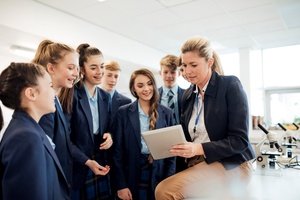
Workshops will be delivered face-to-face to students in Years 5 and 6, teaching them about environmental issues, climate resilience, environmental stewardship and climate change response planning.
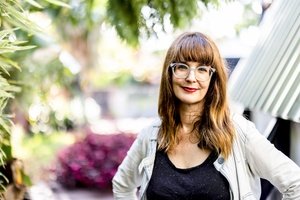
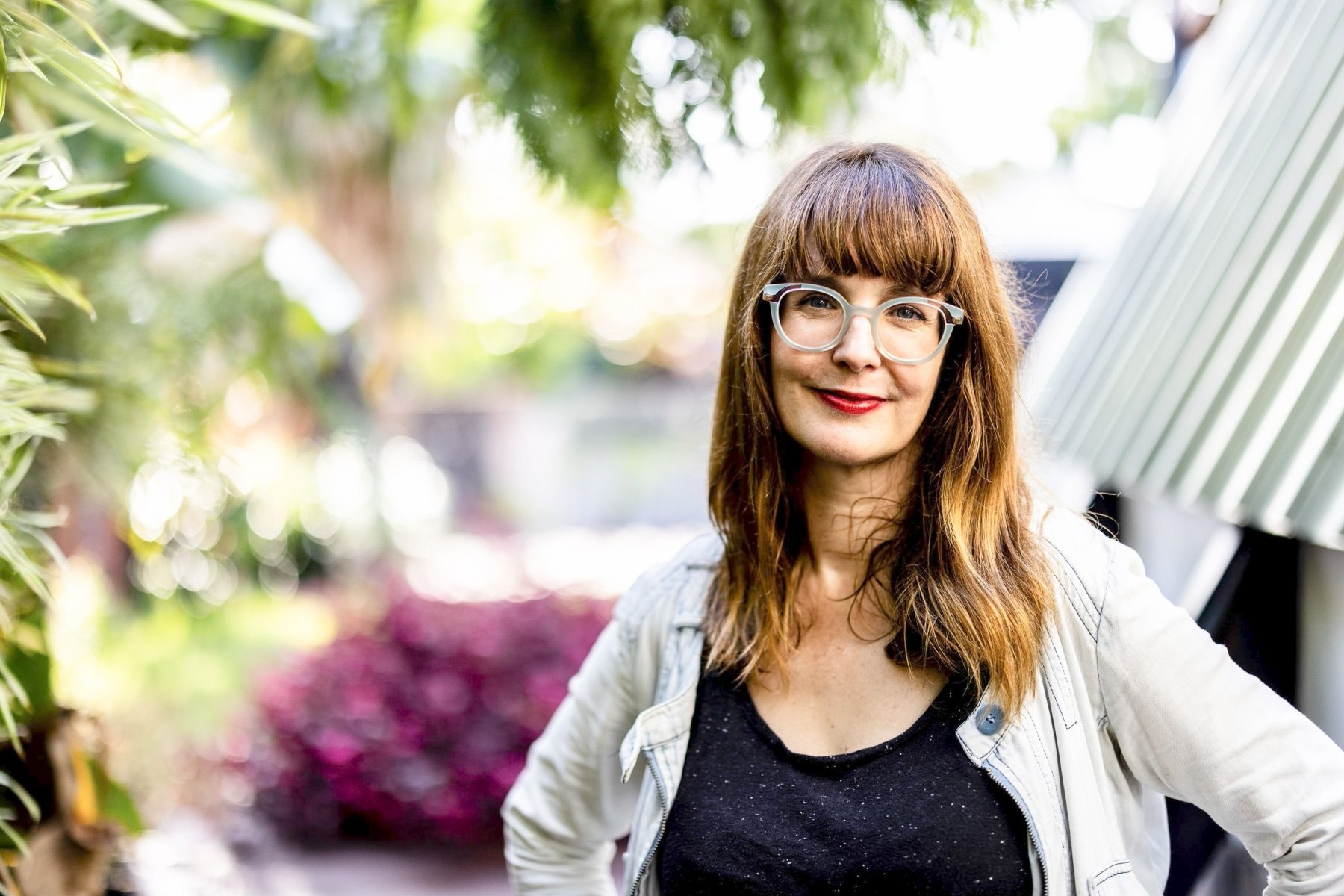
“Young people bring fresh ideas, creativity, and a strong sense of connection to the future they will inherit,” Network convenor Dr Jennifer Pinkerton says.
“By teaching primary school students about climate resilience, we hope they’ll understand the changes happening around them and feel capable of responding rather than feeling powerless.”
Pinkerton says students will learn which actions serve an ecosystem’s health, and which actions achieve the opposite at an individual and societal levels.
“We want young Darwinians to understand that resilience isn’t simply about coping with climate change, it’s about developing the knowledge, skills and confidence to help create change for the better: being part of the solution and feeling a sense of agency over Darwin and Australia’s future.”
The Network comprises academics from across the university, from the creative arts to IT and the science.
“We have representatives from every faculty in the university – we’ve got nutritionists, journalists, an ecological economist, scientists, an education academic and a bunch of different people,” Pinkerton tells EducationHQ.
“Young people bring fresh ideas, creativity, and a strong sense of connection to the future they will inherit,” Dr Pinkerton says.
One of the prime Network functions is to facilitate community engagement.
“So not just talking to the university community, which we ... love to do and bring people together, but we’ve seen how bigger universities have really beautiful community engagement programs, so bringing people in for free climate updates or state of the environment updates, and really sharing the university’s knowledge and expertise with the community at large,” the former journalist says.
“Over the past few years, we’ve run climate resilience workshops for adults and film screenings for all ages and so going into primary schools is something new for us.”
The new program was piloted this year at a Canberra primary school, with two Year 5 teachers and 50 students involved.
“This was to link in with one of the HAAS learning outcomes, which was about how people influence place and environment, and how environment can also have an impact on us and the way that we live," Pinkerton shares.
“So it was directly speaking to that part of the curriculum, and we did a test with the kids, found out what they would respond to, talked to the teachers about what they’d find useful in the presentation, and that’s how it’s developed.”
The program itself comprises a two-hour presentation.
“So it’s going into classes and doing a one-off, and then the kids do what we call ‘a planet protector pledge’ at the end, which is where they work out one action that they can do within their local community, or their household, or their school community – and then they can make a commitment to that particular action.”
Pinkerton says that by teaching primary students about climate resilience, her team is hoping they will understand the changes happening around them and feel capable of responding rather than feeling powerless.
“There’s not a lot of focus on some of the scarier impacts of climate change, although we talk about bushfires and floods and other natural disasters and, of course, increased heat.
“But the focus is really on looking at the impact of various things on climate change and also looking at young climate heroes, like Greta Thunberg, for example, and Mexican rapper/activist X (Xiuhtezcatl Martinez) – young people doing great things for the environment.
“We also look at countries that are doing incredible things like Bhutan, the world’s only carbon neutral country, and Sweden, which uses the most renewable energy within the EU and has an amazing recycling program.”
The focus is much more on which countries are setting the example and which parts of Australia are addressing climate change really well, and for students to look at great things going on in their local area.
“So in Canberra, for example, we looked at like circular economy models with bike recycling programs, we looked at conservation protection efforts here, we looked at this beautiful group called ‘Sea Change’ that uses volunteer power for all of these community-led sustainability initiatives.”
The program will provide young Darwin locals with an opportunity to contribute to the city’s 2030 Climate Emergency Strategy.
“It has four pillars to it, which is all about trying to get to net zero across the city.
“The two pillars that we’re speaking to is building climate resilience amongst Darwinians, and helping individuals transfer to lower their own emissions,” Pinkerton says.
The most pressing issue is the increased heat and increased number of days over 35 degrees, when it becomes difficult to be outside and what kids can do to combat that.
“Another really big thing is like degradation of mangrove ecosystems,” Pinkerton suggests.
“Mangroves are amazing at absorbing huge amounts of carbon, and so we’re looking closely at what can be done to protect mangroves and prevent erosion of mangrove habitat.”
Ultimately, Pinkerton says what she likes most about the program is teaching kids that many of the actions we take now will make a big difference, but also the many things that we can avoid also do something wonderful for the environment.
“Marrying that with their innate love for nature that they have and a want to protect nature is, I think, a really beautiful thing.
“I don’t think they’re always connecting the dots and having a chance to celebrate people doing great things.”