

A new review led by University of Queensland criminologist Professor Adrian Cherney has examined the rise of Nihilistic Violent Extremism (NVE), and the implications for schools are cause for growing concern.
“Acts of violent extremism have historically been underpinned by ideological radicalisation, but we’re now seeing cases in which the violence itself appears to be the primary attraction,” Cherney says.
“Instead of having a political or religious goal, the emphasis is on spectacle or notoriety.
“The perpetrators want to create chaos and collapse, fuelled by harmful online communities and subcultures that normalise and celebrate violence.”
For local context, Cherney references a 14-year-old Maryborough boy charged with terror offences last month. The teenager had allegedly planned attacks and attempted to make molotov cocktails and pipe bombs in his home.
Queensland Police said the youth was not allegedly committed to any specific ideology but had become radicalised by violent material available online.
“He had possession of extremist material, and there were other plans on the way, including plans to attack a school,” Cherney tells EducationHQ.
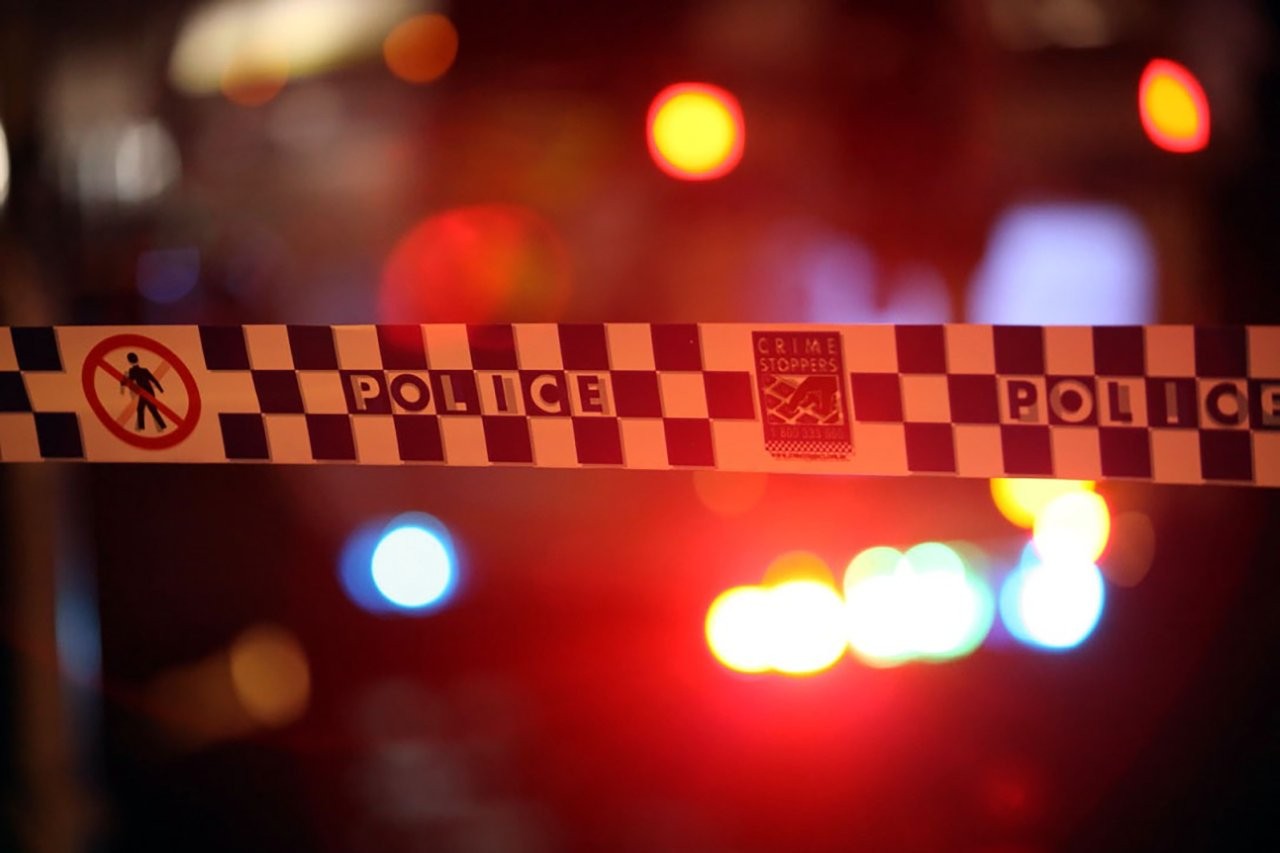
A 14-year-old from Maryborough, Queensland was charged last month with acts in preparation to cause death or grievous bodily harm, along with possession of a knife in a public place and possession of violent extremist material.
Even through they might be disengaged from learning, school is the primary socialising institution with which these young people are engaged outside of the family.
“So they can fixate on school attacks,” the academic says.
In the US, a number of cases that have been labelled as NVE have involved school shootings.
“Of course, we don’t have a similar type of track record here, but there is general concern that given schools can be a prime target, in the eventuality of such an event, how well prepared are they and how will they respond?” Cherney says.
“And not only how will they respond during an event, but how will they respond after an event?”
Cherney says it’s also about engaging with police and any security.
“If a student is signalling intention, with regards to violent threats, fixation etc, how are schools engaging with authorities in how best to support the young person to divert them away from this type of content?”
While school safety has to be the primary objective, Cherney says the least favourable reaction would be punitive, with a focus on a multi-agency response to these young kids a far preferable outcome.
The study found NVE poses major challenges for existing tools and models to counter extremism.
“The frameworks used to identify someone at risk can require evidence of extremist ideology before intervention occurs,” Cherney says.
“But many NVE cases don’t fit that category, so there is a risk someone who should be flagged with the appropriate authority could go undetected.”
Cherney and his fellow researchers recommend a broader approach which considers other factors alongside traditional indicators of radicalisation, like behavioural warning signs, online signalling and a fascination with violence.
They found greater integration across youth justice, child protection, education and law enforcement is critical to assess risk, determine appropriate interventions and refer young people to support services.
“For many of the young people who are radicalising in violent extremism, by the time they come to the attention of law enforcement, typically they’ve also had contact with other services, whether it be mental health, child protection, family, school, youth engagement, etc.
“I definitely don’t think educators should be the ones with a case managing these kids, that’s the role of specialised government services and law enforcement.
“But I do think a greater awareness around this potential risk, what these risks may look like and how to integrate an appropriate response is really important,” Cherney says.
The study found young people are particularly susceptible to NVE for a range of reasons.
“Often they’re going through a core aspect of identity development, which makes them quite susceptible to influence.
“You can have kids that are socially isolated, don’t have any social networks outside of their online identity, you can have high needs around being socially isolated or disengaged in school.”
Cherney shares that there could be other vulnerabilities around family dysfunction or possibly child protection issues.
“It’s a mixture of vulnerabilities, not just one,” he explains.
“No case normally looks the same - there could be some mental health issues, perhaps problems in the home, these are the risk factors that can increase their susceptibility.
“It doesn’t mean they’re going to engage in a pathway of violence, but it definitely can increase their vulnerability to the influence and medical rights of the person that they’ve described.”
Cherney’s paper concludes that responding effectively to NVE requires an increased focus on trauma-informed, developmentally grounded, systemic, and behaviourally focused approaches, alongside greater integration across services and enhanced support for frontline practitioners.
“We’re not saying existing tools and models to counter extremism are not fit for purpose,” he says.
“It’s just more of a pivot and a recognition that there may be need to be a reconfiguration of how we deal with these particular cases.”