A long, and at times bitter campaign, that included the first 24-hour public school teacher strike in 13 years, led to an announcement last month that the Australian Education Union (AEU) had reached an in-principal agreement with the State Government that would see public school educators receive the pay rise and more student-free days.
Teachers had been fighting for a 35 per cent rise over three years for all members, arguing Victorian teachers were paid far less than those in other states.
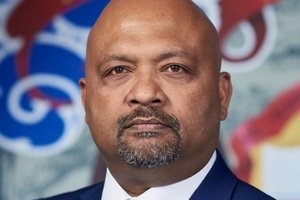
AEU Victorian branch president Justin Mullaly said in recent weeks that he believed the offer would be accepted by union members and it would make some teachers the highest paid in the country.
A ballot of its membership this morning, believed to be about 60,000, however, voted by a margin of 57.7 per cent to 42.3 per cent to reject the draft proposal.
The union will likely now have to return to the negotiating table with the government and is holding an urgent meeting today to discuss the next steps.
“AEU members have had their say through the union’s democratic processes with a majority of members voting to reject the Allan Labor Government’s pay and conditions offer,” Mullaly said in a statement.
“The AEU Joint Primary and Secondary Council, which is made up of 120 elected teachers, education support staff and principals, will meet today to determine the next steps our union will take in our campaign to get the Allan Labor Government to deliver improved pay and conditions, including in relation to excessive workloads, and to get the state and federal governments to sign a funding agreement to fully fund every Victorian public school just like public schools are in every other state and territory.”
Mullaly said Victorian public school teachers, education support employees, and school leaders are undervalued and overworked, averaging 12 unpaid hours per week, with the state's public schools the lowest funded in Australia.
“AEU members have sent a clear message to the Premier and her government that the in-principle agreement and current levels of public school funding do not go far enough to address their concerns.
“This is the message I will strongly convey to the state government.”
An in-principle agreement was struck between the Allan Government and the AEU last month for a pay increase between 28.3 per cent and 32.4 per cent over four years, depending on educators' role and level of experience, but at the time many argued that the proposal failed to deliver better working conditions and should be rejected.
Mullaly deemed the in-principle agreement a win for all public educators across the state.
“These are really significant improvements in the pay and conditions of public school and Kindergarten staff, won through the campaigning of AEU members…” Mullaly said in May.
“This is a win for teachers, educators, principals and education support staff, but it’s also a win for all Victorians.”
But one Melbourne teacher and union member said they hoped the proposal would be voted against.
“The pay increase is the golden nugget of the deal, I don’t think it actually addresses why there has been strike action though, which is the nature and volume of the workload and admin that is required.
“It doesn’t go far enough towards addressing the actual problems with our job,” the secondary teacher said.
Posting on the Australian teachers Reddit page, one educator urged their peers to hold out for a better deal.
“I know everyone’s exhausted and just wants it done, but I really don’t think this deal goes far enough.
“Workload is still out of control, behaviour support is lacking, and Victorian teachers are still falling behind other states.
“A yes vote just tells the Government we’ll accept the bare minimum again. A no vote at least gives us a chance to push for something better.
“We deserve conditions that actually make this job sustainable,” they argued.
The State Government has been locked in ongoing negotiations with the union for almost a year.
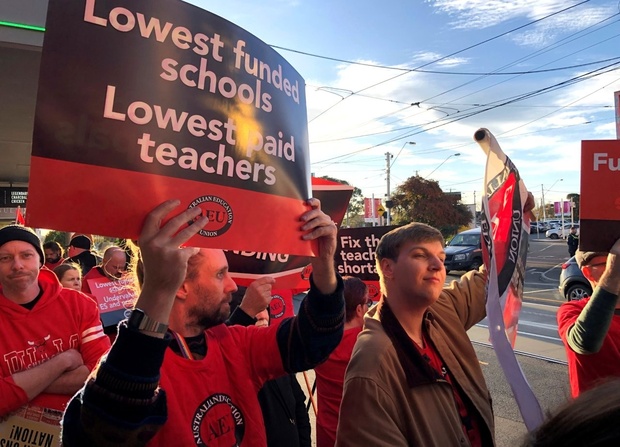
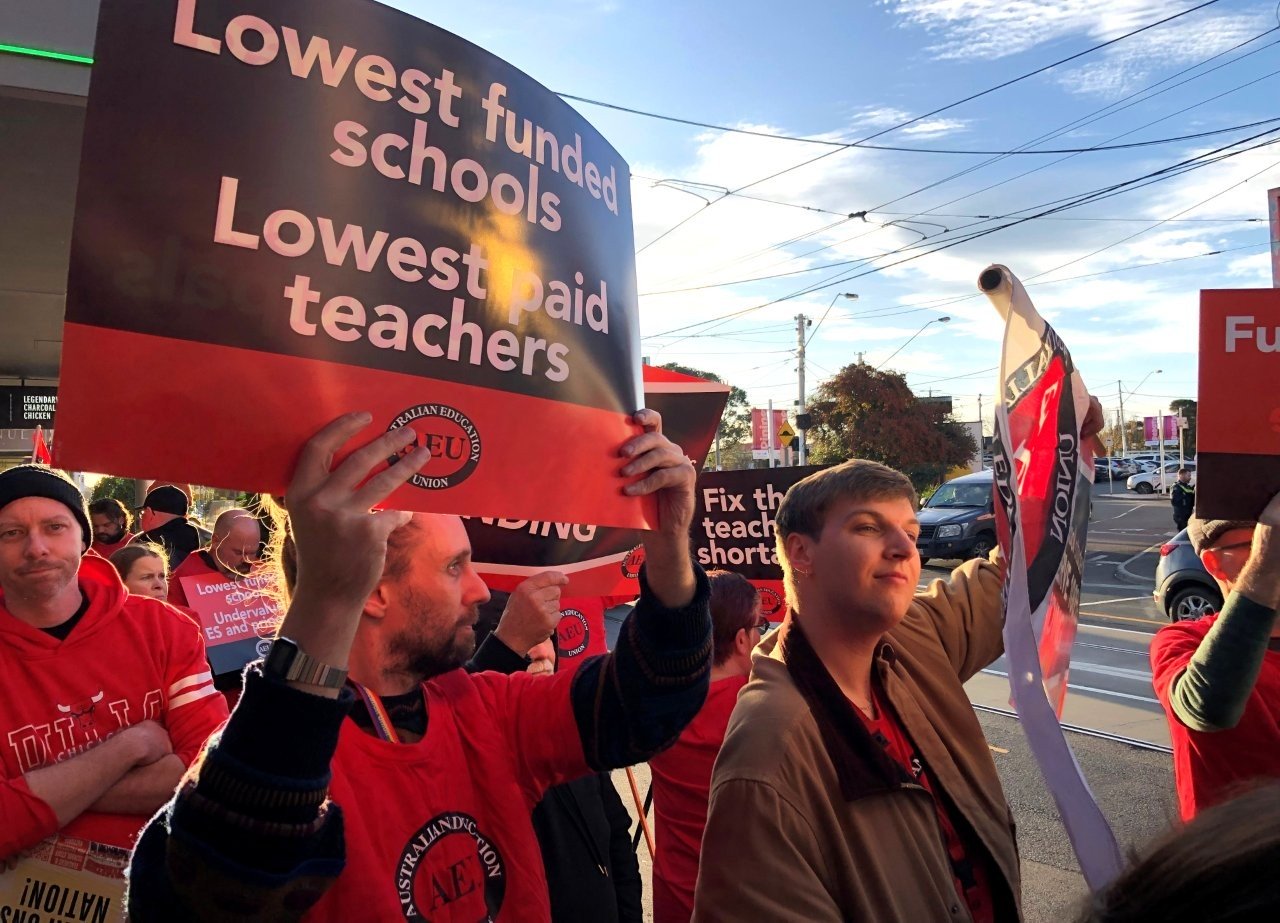
In March, Victorian public school educators defiantly executed the first statewide teachers’ strike in 13 years, with tens of thousands bringing parts of Melbourne CBD to a standstill as they marched through the streets.
Rolling stop work action kicked into gear at the start of Term 2.
In the coming days, Mullaly said he will have further updates following the decision of the Council.