

“They’re expected to respond to increasing learner diversity, integrate digital technologies meaningfully, understand inclusive educational practices and use data to inform their teaching – along with maintaining professional wellbeing, communicating effectively with families and remaining responsive to changing policy environments,” Dr Loretta Bowshall-Freeman says.
“The pace of change is also much faster than it has been historically. New teachers are entering a profession that continually evolves, requiring adaptability alongside strong pedagogical foundations.”
It’s why Bowshall-Freeman and Flinders University colleague Dr Rozi Binte Rahmat, along with teacher and academic Michael Colbung, have produced Where to Now? Teaching in the 21st Century, a research-informed book providing in-depth discussions of teaching that identifies and addresses the multi-faceted challenges that pre-service and early career teachers can face.
“The book discusses these changing expectations, while emphasising that evidence-informed practice provides an anchor amidst continual change,” Bowshall-Freeman, Deputy Teaching Program Director (Education) at Flinders University’s College of Human Sciences and Culture, explains.
“The motivation was to produce a contemporary practical resource that bridges the gap between educational research policy and everyday classroom practice.
“Each of us co-authors brings a different perspective. We wanted the book to reflect the collaboration nature of teaching itself and I consider the process of writing the book modelled that philosophy.”
Early career teachers invariably describe the steep learning curve of their first few years and Bowshall-Freeman says it’s important to recognise that teaching is one of the few professions where graduates immediately assume responsibility for 20 to 30 young people every day.
“Initial Teacher Education provides essential foundations in curriculum, pedagogy, child development, assessment and professional practice, but equally important is what happens after graduation through mentoring, induction and ongoing professional learning, the education expert says
“So, one of the messages throughout the book is that becoming an accomplished teacher is a career long journey.
“Universities prepare teachers to begin that journey. They cannot possibly prepare graduates for every classroom context they will encounter.”
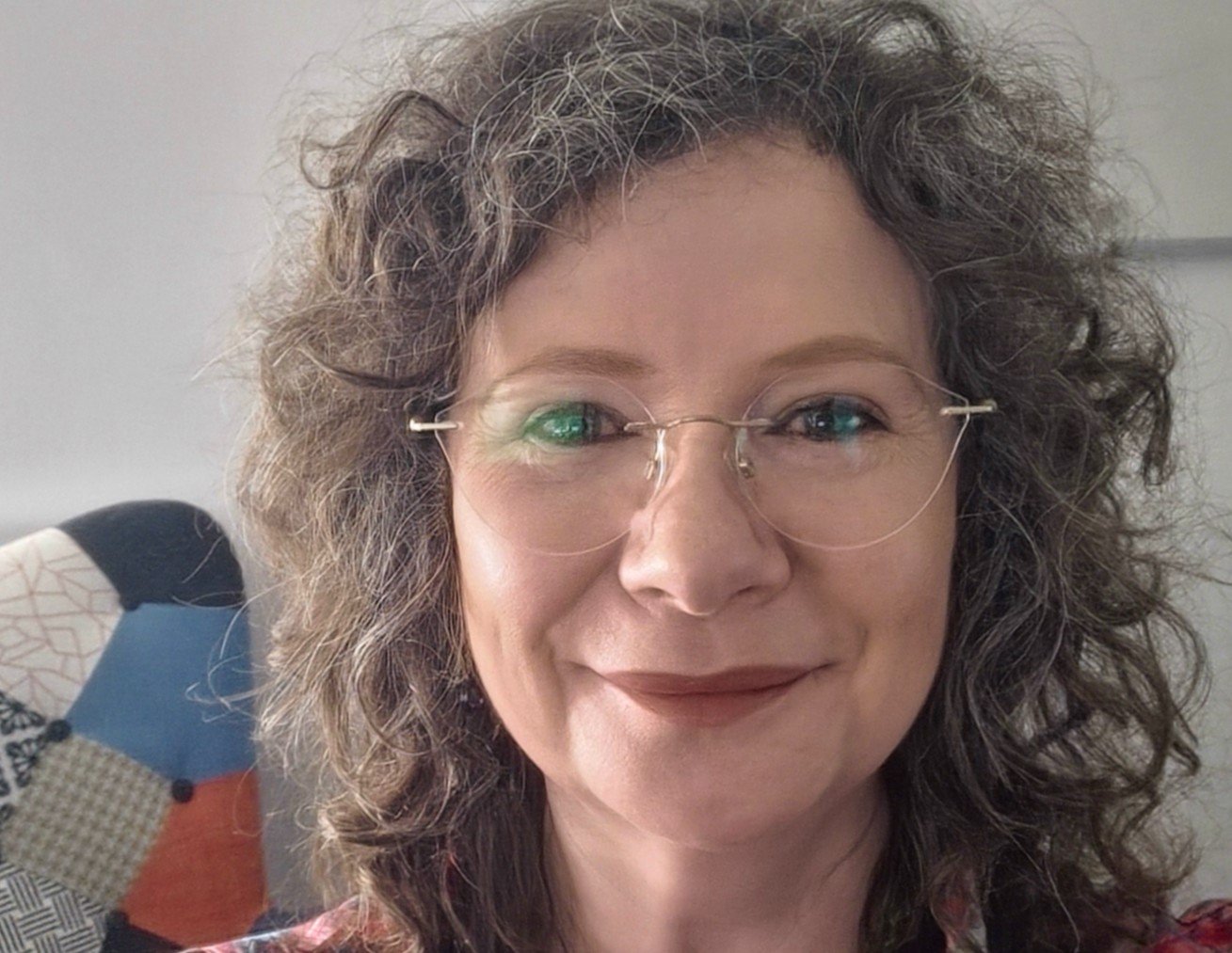
Dr Loretta Bowshall-Freeman says the role of teachers has expanded in recent years – and key strategies are required to help pre-service and early career teachers navigate professional challenges while they also maintain focus on teaching priorities.
In researching for the book, the three looked at what beginning teachers genuinely need to know, not only to survive in their first few years, but to thrive throughout their careers.
“We mapped content against contemporary Australian professional expectations, including the Australian professional standards for teachers, current curriculum requirements, emerging research on effective teaching, and all in all it took time,” Bowshall-Freeman shares.
“We also considered the voices of many, so feedback from pre-service teachers themselves in countless numbers, early career teachers, school leaders, teacher educators, about the areas they found most challenging, and as a result the book extends well beyond lesson planning and classroom management.”
The book addresses everything from professional identity and wellbeing, to reflective practice, inclusive ed, assessment, career design, professional relations and ethical practice along with lifelong learning.
“The emphasis throughout is on providing practical strategies supported by research and importantly trialled and tested,” Bowshall-Freeman says.
While the profession has evolved in countless ways, many of the traditional challenges remain - planning lessons, managing classrooms and building relationships with students.
“They’re all underpinned with the challenge of time,” Bowshall-Freeman shares.
“Today’s teachers are working within a far more complex educational landscape.
“They’re expected to respond to increasing learner diversity, integrate digital technologies meaningfully, understand inclusive educational practices and use data to inform their teaching – along with maintaining professional wellbeing, communicating effectively with families and remaining responsive to changing policy environments.
“The pace of change is also much faster than it has been historically. New teachers are entering a profession that continually evolves, requiring adaptability alongside strong pedagogical foundations.
In response, the book discusses these changing expectations throughout, while emphasising that evidence-informed practice provides an anchor amidst continual change.
Teaching’s often lauded as a leading light in terms of collaborative professions and the book reflects that perspective throughout, according to Bowshall-Freeman.
It explores how meaningful collaboration with mentors, colleagues, leadership teams, specialist staff, families and professional learning communities contribute immeasurably to outcomes for teachers and students.
Networking’s also discussed beyond the school setting.
“Teachers today have to access professional associations, conferences, research communities and online professional learning networks that can support ongoing growth throughout their careers,” the academic says.
“Collaboration is not simply about sharing resources, it’s about sharing professional inquiry, reflective practice and continual improvement.
“I want to emphasise that because it’s very easy to focus primarily on the importance of sharing resources, but we’re a community of practice and it’s about sharing professional inquiry, reflective practice and continual improvement.”
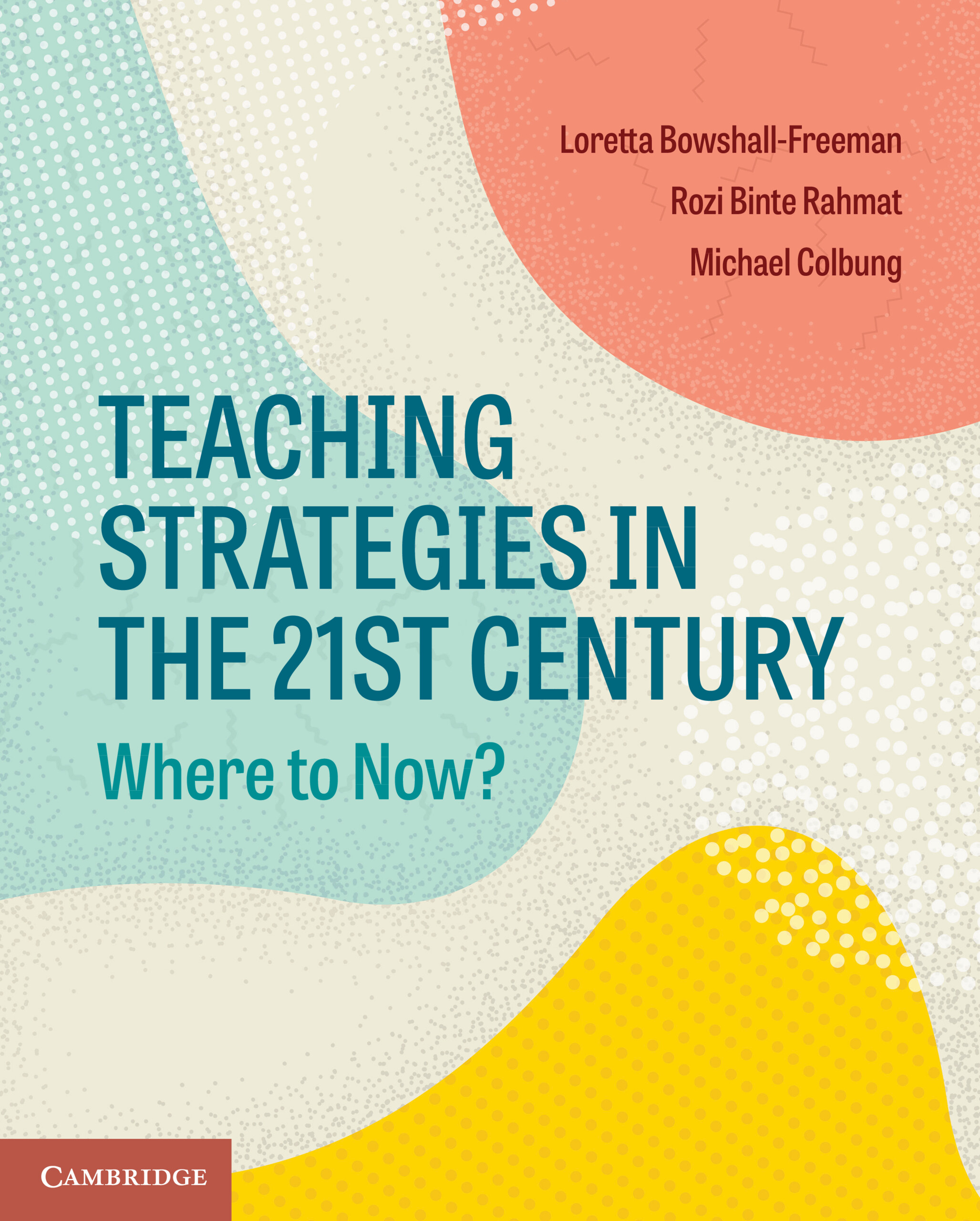
The book (published by Cambridge University Press) is available as an eBook or hardcopy version.
The book also examines how teachers can prepare for new roles within their teaching responsibilities, embed Aboriginal and Torres Strait Islander perspectives, navigate curriculum and policy demands, manage classrooms effectively, and design inclusive, engaging and assessable learning opportunities.
Embedding Aboriginal and Torres Strait Islander perspectives, Bowshall-Freeman insists, is an integral component of quality teaching and was treated as such in the book, rather than an isolated topic.
“The focus is on helping teachers develop respectful understanding, build authentic relationships with communities where appropriate and thoughtfully embed First Nations perspectives across curriculum areas in ways that are educationally meaningful and culturally responsive,” she says.
“This is a priority in teaching courses and it’s closely aligned to the Australian professional standards for teachers.
“The book encourages teachers to view this as an ongoing learning journey. So no teacher graduate knows everything about every community or cultural context, we know that, but every teacher can continue developing cultural responsiveness through respectful engagement, reflection and professional learning.
“So ultimately the goal is to support teachers in creating inclusive learning environments that acknowledge the richness and diversity of Australia’s First Nations histories, cultures and knowledges.”
Ultimately the idea of the book is not to overwhelm readers with abstract concepts and theory in isolation, to include chapters with practical examples, reflective prompts, classroom scenarios and evidence informed strategies, so that teachers can readily adapt it to their own context.
“We incorporate classroom scenarios, reflective questions, practical examples and research-informed strategies for everyday teaching, so that teachers can readily adapt it to their own context.
“And although written primarily for pre-service and beginning teachers grant, the themes remain relevant throughout a teacher’s professional career.”
For more about the book ‘Teaching Strategies in the 21st Century’ or to purchase it, click here.