
The offer also included a $1500 sign on bonus that would have been provided before Christmas.
More than 25,000 of the sector’s 33,000 employees participated in a (EB25) survey to gauge support for the offer, with 55 per cent voting to reject it.
The knock-back follows VCEA’s refusal to negotiate the next sector-wide enterprise bargaining agreement, “in a manner which would provide staff with the basic bargaining rights which are granted to their colleagues interstate and in government education, and in the vast majority of Australian workplaces”, according to the Independent Education Union (IEU) Victoria Tasmania.
These include the right to ballot for and take protected industrial action, and the right to seek Good Faith Bargaining Orders or other assistance from the Fair Work Commission in the case of a breakdown of negotiations; all rights essential, the IEU said, to fair bargaining.
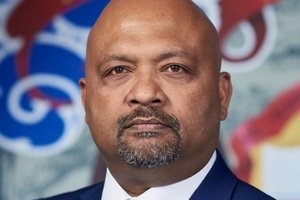
“IEU members have stood firm under considerable pressure to turn down the employer’s so-called ‘offer’,” IEU Victoria Tasmania general secretary, David Brear said in a statement.
“Clearly staff in Catholic schools need significant wage increases, but workload, safety and conditions for education support staff and school leaders also need real improvement.
“These things can only be achieved through negotiation, and our members know it.”
In an email to Catholic employees on Tuesday, the VCEA said “the IEU strongly opposed the offer with these benefits for staff”.
“We are disappointed they continue to prioritise the type of agreement over delivering wage and condition improvements to our staff quickly,” the email read.

“Clearly staff in Catholic schools need significant wage increases, but workload, safety and conditions for education support staff and school leaders also need real improvement,” IEI Vic Tas general secretary, David Brear says.
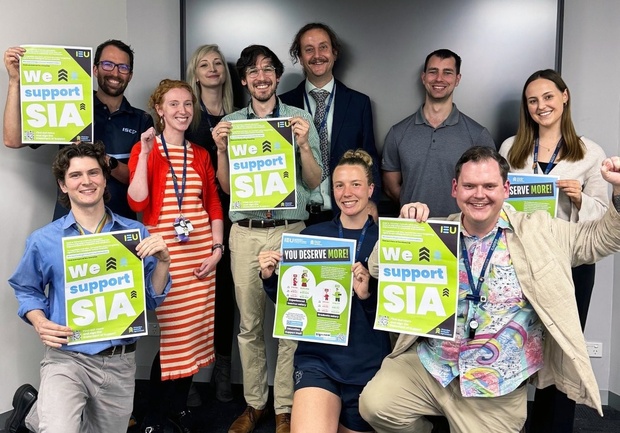
Last week IEU Victoria Tasmania lodged an historic application at the Fair Work Commission for a Single Interest Authorisation (SIA) covering 24 of the 36 employers in Victorian Catholic education.
Since then a majority of staff working for 28 of the employers have signed a Statement of Support for fair bargaining processes covering their salaries and conditions under a SIA, with majorities also now close in the remaining Melbourne, Ballarat and Sandhurst dioceses, the IEU said.
The union said while it acknowledged salary rates negotiated in the most recent Agreements back in 2022 were competitive at the time, recent wins by education unions in other states and territories have since left Victorian Catholic school salaries “lagging far behind, creating staffing crises as cost-of-living pressures grow”.
“By the end of this year, teachers at the top of the scale in NSW will earn nearly 10 per cent more than their Victorian counterparts, while the difference for graduate teachers will be over 13 percent,” the union said in a statement.
“It’s not just teachers and support staff feeling the pinch – principals and deputies regularly put in huge unpaid overtime hours, with 91 per cent saying their pay doesn’t reflect their workload.”
Under current industrial laws, the Fair Work Commission cannot grant an SIA application made by the IEU until after the current Agreement expires on 31 December.
Employers, however, could apply now and get bargaining underway, the union said.
It said instead of doing the right thing by their own hard-working staff, employers are seeking to portray the IEU as the cause of the delays and forcing the union to campaign for the right to fair bargaining rules before it can turn its focus to the most important issues – real outcomes for staff in Victorian Catholic education.
Brear said the IEU had written to the Catholic employers and asked them to listen to their staff, consent to bargaining under an SIA and as a show of good faith, pass on an interim 7 per cent wage increase from January, as well as the $1500 bonus by Christmas.
“We’ve also asked that they meet with us to discuss the SIA that will achieve the wage increases, workload relief and the wellbeing measures that staff deserve,” Brear said.
“We have been ready to commence negotiations for months – but only under a SIA, which gives us access to the bargaining rights we need to get a fair outcome.”
The survey results carry a very clear message, he said.
“It’s time for the VCEA to stop the games and the time-wasting, to support our SIA application, and to start negotiating the improvements to conditions and salaries so badly needed in our sector.”