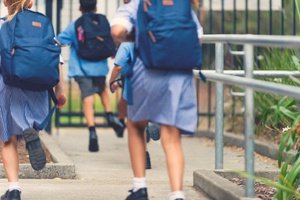
At the halfway mark of the 2031 Closing the Gap agreement, First Nations pre-school enrolments are the sole target being met nationally while four key areas are getting worse.
Of the 19 identified socio-economic areas targeted to close the disparity between Indigenous and non-Indigenous Australians, only three are on track to be met, the Productivity Commission’s 2026 report said.
The country’s national commissioner for Aboriginal and Torres Strait Islander children, Sue-Anne Hunter warned officials should be stood down for the lack of progress.
“If this was any other national agreement that was going backwards or just staying still, someone would actually lose their job,” she told ABC24.
“We can’t have an agreement that we’re not adhering to ... It’s not good enough.”
Adult imprisonment, childhood development, out-of-home care and suicide were the areas moving backwards.
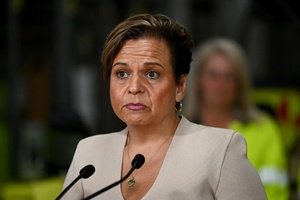
Indigenous Australians Minister Malarndirri McCarthy told ABC RN it was important to see the milestone that had been achieved in preschools.
“That is because of the work of the Aboriginal and community-controlled sector and those involved in the preschool sector,” she said.
But it was clear “challenges remain” in addressing all other targets, including ones to do with incarceration rates.
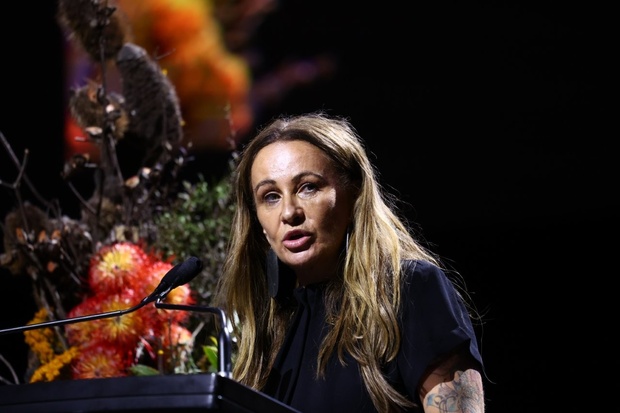
Catherine Liddle, CEO of SNAICC – National Voice for our Children said this year's Closing the Gap data tells two very different stories.
“It shows what's possible when governments invest in Aboriginal and Torres Strait Islander children early, but it also shows the devastating cost of failing to carry that investment in developmental outcomes, school readiness and through the rest of childhood,” Liddle said.
“Meeting the Closing the Gap preschool enrolment target is a milestone worth celebrating and is further indication that when early education becomes more accessible, our families eagerly take it up.
“However, enrolment rates are only part of the picture when it comes to accessibility and suitability of early education for our children and families.
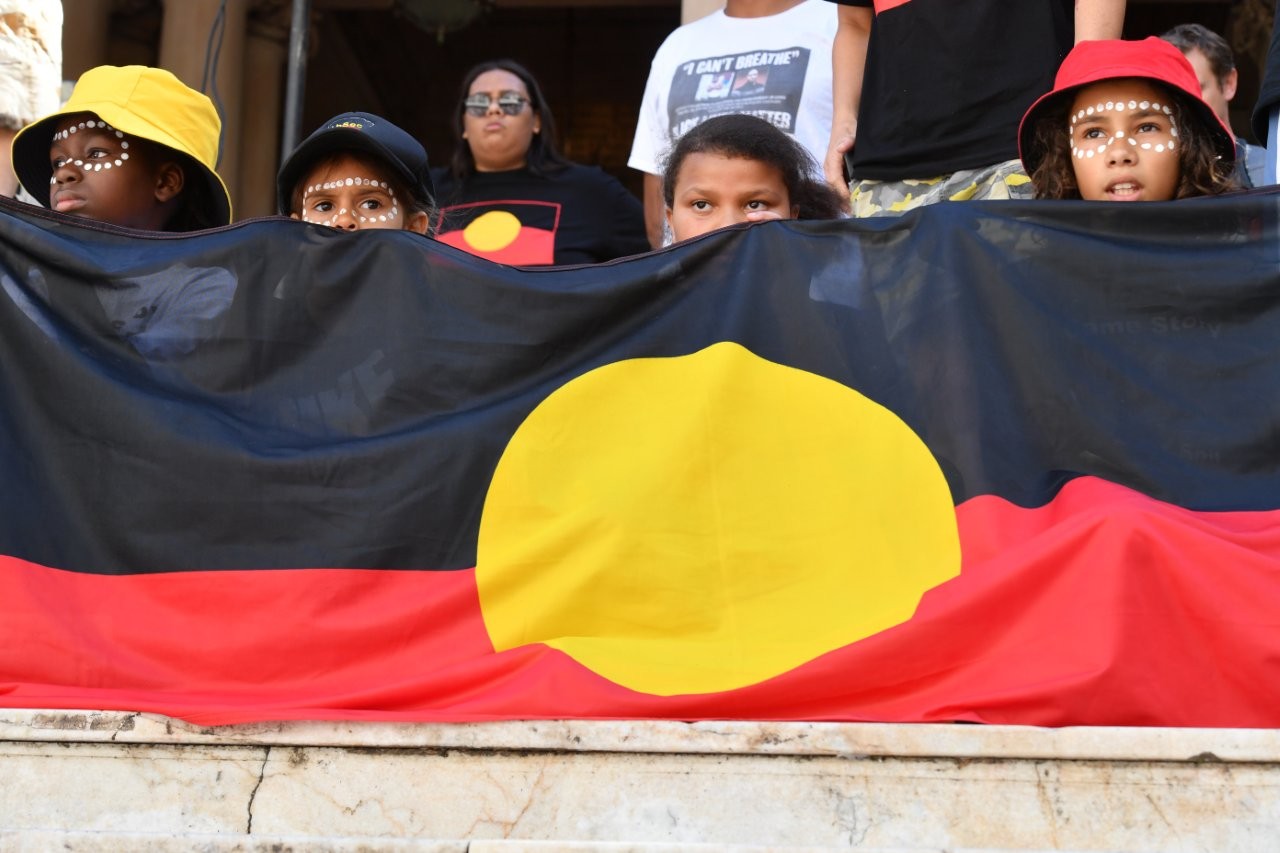
Child protection and early development are heading backwards, with 52.2 per 1000 Aboriginal and Torres Strait Islander kids in out-of-home care in 2025 and only 33.9 per cent starting school developmentally on track in 2024.
Targets around developmental readiness for school are worsening, which Liddle said indicates that enrolment does not inherently lead to improved outcomes without a focus on quality, continuity and cultural safety.
“Participation must now translate into better outcomes.
“Governments have a huge opportunity to get things right for our children in the early years if they double down on investing in the services that Aboriginal families and communities are asking for.
“However, one success cannot mask the reality that too many of our children are still entering out-of-home care and too many young people are still being caught up in the justice system.”
Liddle said the lack of progress on out-of-home care and youth detention should act as a reminder that the same ambition is now needed further along a child’s journey, with sustained investment in prevention, early supports and Aboriginal-led solutions.
“When governments partner with Aboriginal community-controlled organisations, children thrive,” she said.
Productivity Commissioner Selwyn Button warned the deadline to meet most targets was 2031, so the halfway point had been passed.
‘‘Governments will need to redouble their efforts for the promise of the National Agreement on Closing the Gap to become a reality.”
Pre-school is the only clear win so far, with data showing more than 95 per cent of First Nations children enrolled.
It surpasses the target, marking an increase from 2016’s 61.3 per cent enrolments.
Targets on track to be met by 2031 include employment.
Aboriginal and Torres Strait Islander people aged 25-64 in work is on track to reach the 62 per cent target by 2031.
Land and sea rights are also expanding fast enough to hit the goal of a 15 per cent increase by 2030, with more than 4.4 million square kilometres of land and about 113,500 square kilometres of sea now covered by First Nations legal rights or interests.
Five targets that are improving but not on track include education and housing with more young people finishing Year 12, more adults holding tertiary qualifications and more youth in work, education or training.
Justice remains one of the biggest causes for concern.
The rate of First Nations prisoners jumped to more than 2500 per 100,000 adults in 2025 and up from more than 2300 a year earlier and more than 550 in 2019.
Imprisonment rates have risen across most jurisdictions since 2019, with the Northern Territory suffering the worst blowout – an increase of 1609 prisoners per 100,000 adults in six years – while Victoria is the only state with a clear fall.
First Nations youths remain heavily over-represented in detention, with 25.7 children aged 10-17 per 10,000 in custody on an average day in 2024-25 and ‘‘no change from the baseline’’ towards the target of a 30 per cent cut by 2031.
Child protection and early development are also heading backwards, with 52.2 per 1000 Aboriginal and Torres Strait Islander kids in out-of-home care in 2025 and only 33.9 per cent starting school developmentally on track in 2024.
Liddle said the worsening out-of-home care outcomes “reinforce what the sector has been saying for years – we cannot remove our way to better outcomes for children”.
“We need greater investment in Aboriginal community-controlled early intervention and family support services that keep children safe at home, connected to kin, culture and community.
“Similarly, a lack of meaningful progress on youth detention tells us we're still investing too late.
The preschool enrolment target, Liddle claimed, shows governments can shift the dial when they invest in the right places.
“The lack of progress on OOHC and youth detention should act as a reminder that the same ambition is now needed further along a child's journey, with sustained investment in prevention, early supports and Aboriginal-led solutions,” she said.
“This report is both a proof point and a warning. When governments partner with Aboriginal community-controlled organisations, children thrive.
“When they don't, the consequences are written across the targets that continue to stall and worsen and felt every day in the lives of our children and families.”
(with AAP)
13YARN 13 92 76
Lifeline 13 11 14