Affected users would be blocked from using apps between midnight and 6am unless they change the default setting.
Features designed to keep users scrolling for longer, including videos that automatically play one after another, would also be switched off by default.
The new measures aim to prevent a cliff edge for those who will gain access to social media when they turn 16, and offer some protection from the negative effects of late-night scrolling.
“These measures will be crucial in helping young people get the sleep they need, focus on school and college, and spend more quality time with family and friends,” Technology Minister Liz Kendall said in a statement.
The move underlines global concerns among parents and policymakers about safeguarding young children from the harmful effects of social media on their mental and physical health.
As the UK plans to ban under 16s from social media platforms such as Snapchat, TikTok, Instagram, Facebook, and X, experts writing in The BMJ yesterday argue that restrictions may reduce some harms while shifting others, depending on how they are implemented and enforced.
Dr Amrit Kaur Purba and colleagues argue that social media restrictions operate within a wider system of adolescents, families, schools, governments, and commercial actors – and therefore should be treated as complex systems interventions rather than isolated behavioural policies.

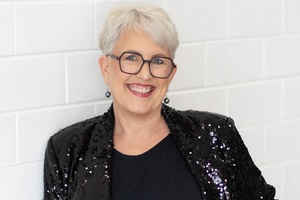
Dr Amrit Kaur Purba and her colleagues note that restrictions may not affect all young people in the same way, suggesting that those with supportive families, strong digital skills etc may benefit more than those facing isolation, unsafe environments, or limited support. PHOTO: amritkaurpurba.com
Without this broader approach, they warn that “governments risk introducing highly visible policies that are poorly understood and may cause unintended harm while leaving root causes unchanged.”
They outline how lessons from other commercial determinants of health such as the tobacco and alcohol industries can help predict how social media companies may adapt politically, scientifically, technologically, and economically after regulation.
For example, companies may try to redefine what counts as “social media” so that it falls outside new regulations, invest more in related or less regulated spaces, and shape policy through lobbying, public messaging, research funding, and marketing.
Adolescents themselves may also adapt by moving to more private or harder to monitor spaces, such as encrypted messaging apps or AI based chat systems.
The authors also note that restrictions may not affect all young people in the same way, suggesting that those with supportive families, strong digital skills, access to high quality educational resources, and opportunities for safe offline activities may benefit more than those facing isolation, unsafe environments, or limited support.
One young person’s perspective, who is also an author on the paper, seems to support this view.
While acknowledging that social media can be both helpful and harmful, they describe it as “a place where friendships are made, where people can find communities, express themselves, learn new things, and sometimes a place to escape difficult situations”.
They add: “I have had friends reach out to me on social media about things they aren’t comfortable talking to family members about, and I have done the same. Without social media, what could we have done?”.
The authors suggest using systems mapping to anticipate these effects and design more balanced, evidence informed approaches.
While this approach cannot predict exactly what will happen, it helps show how different parts of a system connect, how these parts may respond to change, and where effects may feedback on one another, they write.
As such, they recommend that evaluations move beyond standalone measures like screen time or short term changes in mental health to capture wider factors such as school engagement, social connections, industry and platform responses, and longer term effects.
And they conclude that taking this broader view need not delay action. Instead, “it will help ensure policies are balanced, flexible, evidence informed, and improve over time.”
The study also reveals restrictions lead to improvements in sleep, concentration and wellbeing, and that an overnight curfew was the easiest measure for families to maintain and produced the most consistent sleep benefits.
The first set of regulations on social media restrictions will be laid before the British Parliament by the end of this year, with measures expected to come into force in spring 2027, the Government said.
It promised “robust implementation and enforcement”.
There is much debate regarding the effectiveness and appropriateness of the ban here in Australia.
Research by the University of Newcastle last month revealed that more than 80 per cent of under-16s here said they were still using social media three months after legislation banning them from it came into force.
The observational study of 408 12- to 17-year-olds concluded that our social media minimum age legislation has resulted in “limited implementation, incomplete compliance, and substantial circumvention of social media restrictions”.
“... overall, we found insufficient evidence to conclude that exposure to the Act (ie the ban) had any early substantial effects on social media use among adolescents aged under 16 years,” the report concluded.
It said “the findings contrast with similar legislative requirements of web based services, for example in the UK, where access to pornographic websites substantively reduced (by 30-50 per cent) following introduction of age assurance measures”.
The findings naturally have implications for countries in the process of introducing their own bans.
The UK’s proposed social media ban is due to come into force in 2027 and will block under-16s from accessing Snapchat, TikTok, YouTube, Instagram, X and Facebook and from livestreaming or communicating with strangers on gaming sites such as Roblox.
Speaking to the Guardian UK, Andy Burrows, CEO of the Molly Rose Foundation in the UK, said Kaur Purba and colleagues’ findings in their British study showed that social media bans alone do not keep under-16s off restricted platforms or cut the time teenagers spend using high-risk sites.
“Unless ministers have a coherent plan to urgently learn lessons, the UK’s ban will similarly unravel. Parents will be left with false hope and a misplaced sense of their children’s safety,” he told The Guardian.
“The next prime minister must enter Downing Street with a convincing strategy that properly protects children from online harm, rather than relying on a performative ban which, as this research suggests, is unlikely to improve our teens’ mental health and wellbeing.”
Google and TikTok have in the last month separately settled a US lawsuit brought by a minor who claimed that social media platforms damaged his mental health.
(with AAP)