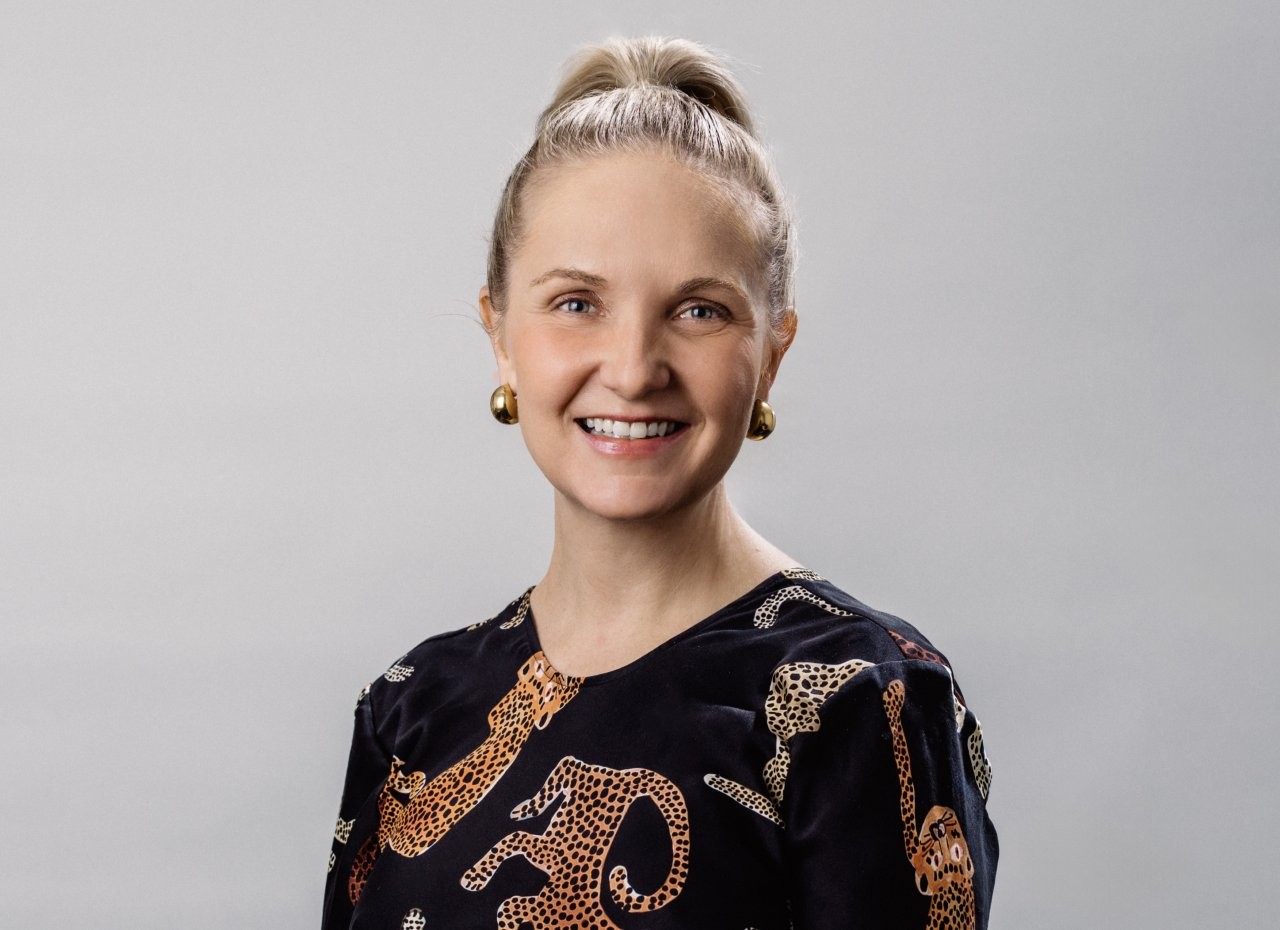
Designed specifically for young people who want to learn but have been unable to thrive in traditional schooling environments due to anxiety, depression, bullying and other wellbeing challenges, BlendED has already proven to be a major success in Victoria and will roll out in Queensland schools in mid-July.
The launch comes amid growing concern about student disengagement across Australia, with recent national data showing that only around 60 per cent of students attend school more than 90 per cent of the time.
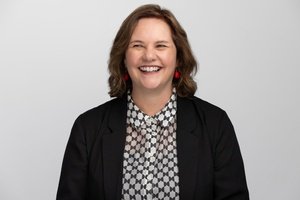
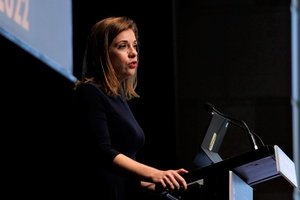
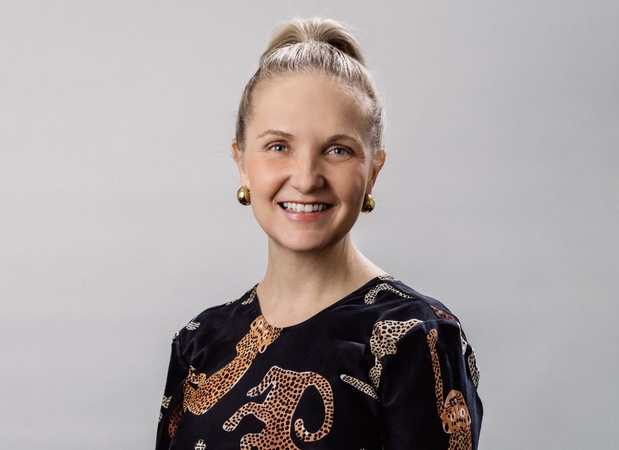
The program, devised and driven by CEO Chloe Hand, and provided by Edmund Rice Education Australia (EREA), combines teacher-supervised online learning with face-to-face educational gatherings, wellbeing support and community connection, offering a structured pathway back into education for students who have struggled in conventional classrooms.
State and federally funded, it will be Queensland’s first dedicated program to combat the national trend of student disengagement.
“For the majority of our young people, they’ll be doing four days a week of what we call ‘virtual face-to-face’ – so they’ll be sitting in a virtual classroom with a teacher and a learning support officer going through a normal timetable like they would do at any other school,” Hand tells EducationHQ.
“One day a week is a gathering that is still curriculum-led. That’s where we do the parts of the curriculum that are tricky to do online - so it might be health and PE or parts of the science curriculum.
“And again, they’ll be able to bring their guardian or a safe and supportive adult.”
Wellbeing workers will visit young people in their home, working with the family and any other professionals that are involved with the young person to build their capacity to be out in the community.
“For many young people, it’s not just school that’s fallen off for them, (perhaps) they used to be in a basketball team and that’s fallen away and they’re finding it difficult to engage with their peers socially.
“So the purpose of that wellbeing visit is really to support young people to re-engage in other parts of their life.”
For some young people, Hand shares, if they’ve been experiencing ‘school can’t’ and have not left the house for a long period of time, wellbeing workers will focus initially on routine, sleep hygiene, nutrition, getting young people out of their bedrooms, thinking about the way that they’re sleeping and the way that they’re eating.
Recent national data shows that only around 60 per cent of students attend school more than 90 per cent of the time, meaning a significant proportion of young people are regularly missing school and are at risk of falling behind.
“BlendED is very much a multifaceted program, with absolutely a key focus on learning, but there’s also a focus on community, social and peer life and high engagement, high interest activities and really just bringing young people back into having fun.”
Hand has spent her entire career working with community service agencies and for much of it with young people in the child protection system.
She’s been with EREA for 16 years, and established BlendED in 2019, just prior to COVID, in response to declining engagements and attendance rates more broadly across the education sector.
The BlendED model was piloted in 2020-21 during COVID with two groups - one comprised of young people enrolled at school but not attending at all, and the other, a group who were enrolled but their attendance had declined significantly.
“What we found from that pilot was that for the young people who were engaged but whose attendance was dropping, the BlendED model didn’t work as well for them.
“Because they were social, they actually liked going to school, they had friendships, they just had things going on that meant their engagement was declining slightly.
“But the young people who participated in the pilot that were enrolled at school but not attending at all, who we would have called at that time ‘school refusers’ but we don’t use that term anymore, they absolutely engaged significantly more than they had.
“And so from that pilot we then started the program in our school in Victoria, Saints College, and that program in Victoria now has more than a thousand young people and unfortunately hundreds on a waiting list.”
BlendED launched in Tasmania this year, with about 170 young people now engaged in the program.
So how do we know that the program is achieving its aims and succeeding in any way?
For starters, Hand says families and young people are reporting that it’s been very successful in terms of re-engagement.
“We often get comments like ‘my child has made a friend for the first time in five years’, or ‘my child is at home doing some maths, I’ve never seen them engaged in learning in this way’,” she says.
“We also have data from Victoria around young people that are completing their certificates and completing components of the VCE BM, which their families never thought would be possible for them.”
Hand says at present an independent researcher is undertaking an internal evaluation at Saints College, while Ernst Young has been engaged to produce a report on the program.
She’s also engaging with universities at the moment with the aim of facilitating a full-scale research project and evaluation of each of the different roll-outs of BlendED.
“While it’s very important to me and our organisation that we’re offering a very robust education program and that we’re seeing young people progress – it’s wonderful as they feel safe, it’s wonderful as they are making friends and feeling that sense of hope, and that’s certainly a goal – but, as importantly to me, is that we are not limiting young people’s educational and future pathways by participation in BlendED, that they’re getting access to the same and, if not better, education opportunities through BlendED than they would at any other school.”
Since launching the program, Hand has engaged with different universities and professionals, occupational therapists, ecologists, etc, but BlendED’s best source of guidance is coming from its young people.
“We’ve evolved the program in response to them.
“We’ve tried to listen to their feedback and respond by creating the environment that supports the young person to come to school.”
Historically, studies have estimated that ‘school can’t’ has affected between 1 per cent and 5 per cent of all students, however, system-wide data gathered by the Grattan Institute and Independent Schools Australia (ISA), highlight a much larger collapse in regular attendance.
BlendED Queensland will open in hubs in Brisbane and Cairns, with the program initially available for Years 7–9 from July, with up to 150 students expected to enrol in its first intake.
Future expansion is planned, with Year 10 to be introduced in 2027, followed by Years 11 and 12 in 2028.
More than 70 students have already pre-enrolled in the soon-to-be-launched Queensland program, mostly Year 9 students, followed by Years 8, 7 and 10, 11 and 12.
Interest has come from young people and parents across the state, led by the Sunshine Coast, Gold Coast, Greater Brisbane, Central Queensland and Far North Queensland.
Next cab off the rank is NSW with an application already submitted for the program to be rolled out in that state.
Any schools, parents or young people seeking more information on BlendED, click here.