The Housing Affordability and the Teacher Shortage (HATS) research team, led by Professor Scott Eacott at UNSW Sydney, has called for urgent government action to tackle the problem.
They argue initiatives to attract and retain teachers mean little if people cannot afford to live within reasonable commuting distance of their workplace.
Eacott says while the case and appetite for change has been building, the issue of teacher housing has been stuck in the too-hard basket and has effectively fallen through the policy cracks.
Our teachers and understaffed schools are paying the price, he suggests.
“The very stimulus for this work came from teachers telling us that they couldn’t keep working in the schools they were working in because it was unaffordable or the commute was too far for them.
“This has been a driving thing through the whole few years of this work,” he tells EducationHQ.
While entering the housing market has always been a challenge, in the last 50 years the difficulty has intensified dramatically, Eacott’s team notes.
In 1970, the median house sold for $18,000, which was three times the top of the salary scale for teachers.
As of February this year, the median house price in Sydney is $1,820,000 – 14 times the same scale and well beyond the ‘affordable’ threshold.
Currently, 56 per cent of local government areas (LGAs) have a median house value that is unaffordable for top-earning teachers.
Some 90 per cent of advertised teaching positions in NSW are located in LGA’s that are out of reach for those on a single teacher salary.
And based on median prices ($1,722,443 for a house, $834,791 for a unit) as of June last year, the team say it would take a new graduate teacher and their median salaried housemate 22 years to save a 20 per cent deposit for a house.
For a unit, it would take 12 years, and this is assuming prices and salaries don’t change.
Tellingly, the affordability gap between salaries and housing costs for NSW teachers amounts to $11.8 billion.
Sydney’s rental market with low vacancy rates is also a problem, the team point out.
Figures from last year reveal graduate teachers would be unable to afford to let even a one-bedroom property in 47 per cent of LGAs, based on median rates.
Lengthy commutes to school take a toll on teachers’ wellbeing and hip-pocket, the researchers warn.
The average NSW teacher completes a 23.1 kms roundtrip each day, racking up $4200 in costs – and that’s before tolls.
This equates to approximately 140 hours or 4.5 weeks of teaching spent commuting each year.

Eacott warns the teaching workforce is under threat and the NSW Government should be taking targeted action to supply key worker housing.
Meanwhile, a shortfall of 1200 teachers is impacting teaching and learning across the state.
Indeed, 61 per cent of schools (and 73 per cent in disadvantaged areas) report that their daily activities are hindered by staffing issues.
Some 10,000 lessons a day are now going uncovered in NSW alone, the researchers flag, with burnout and dissatisfaction brewing amongst those left to prop things up.
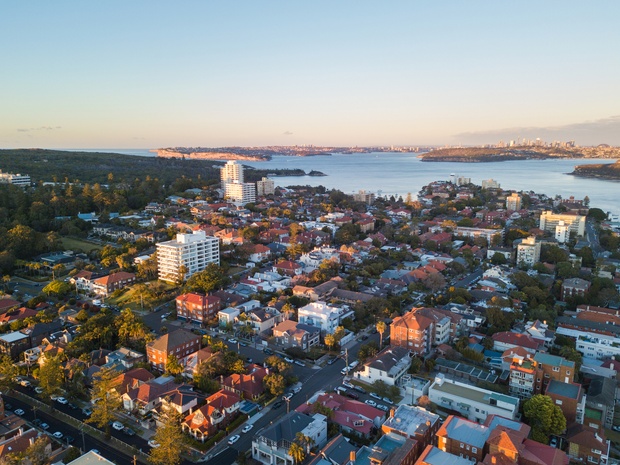
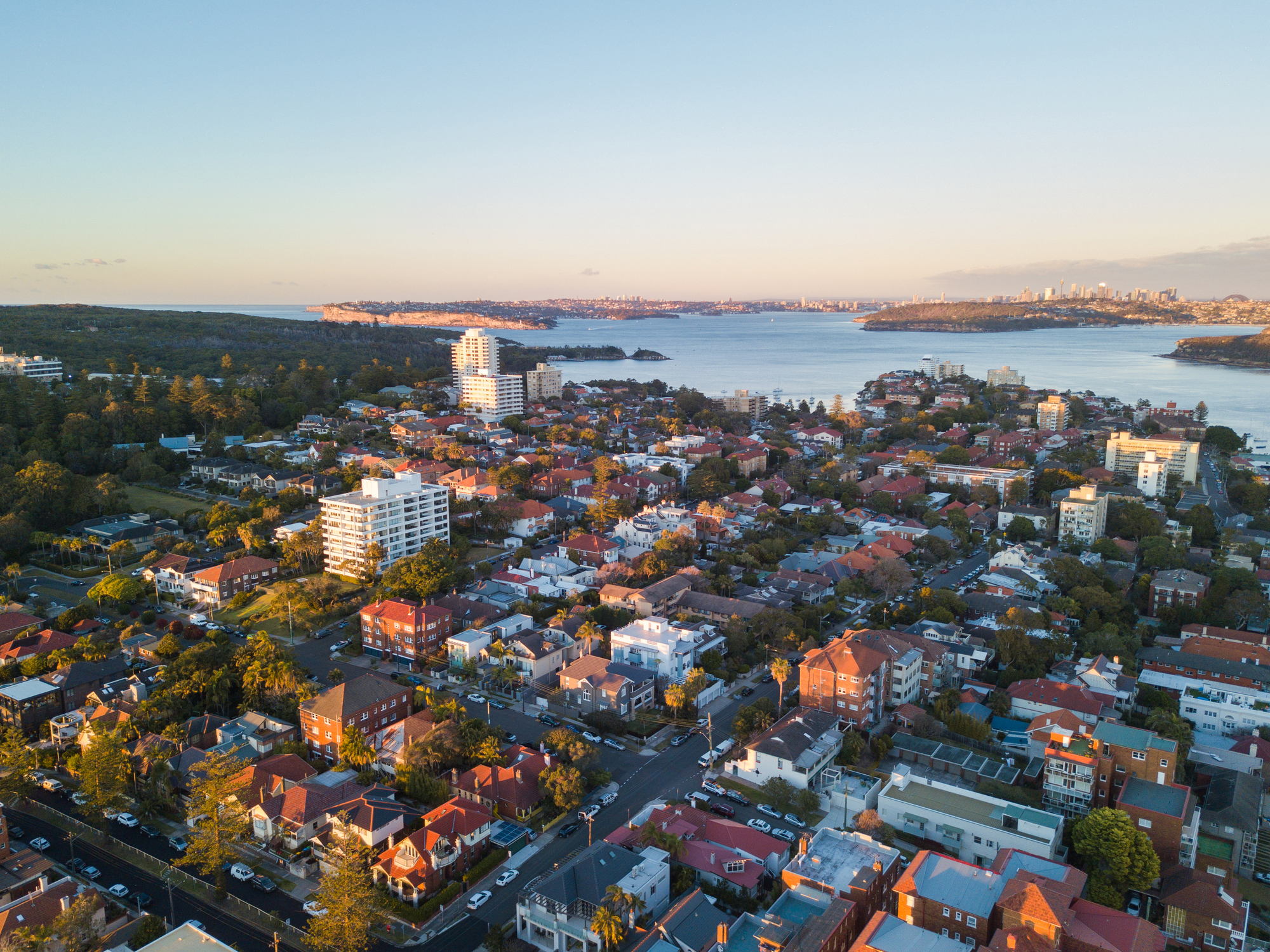
Schools in traditionally desirable areas of Sydney such as the northern beaches and the south-eastern suburbs are particularly vulnerable and quickly heading towards crunch time, Eacott says.
“[These areas] get no real policy attention because people have always wanted to work there.
“But as housing prices have grown exponentially in the last 15 years, they’ve become almost unattainable unless you already have intergenerational wealth…
“And when those teachers who are working there retire, they’re not necessarily going to be replaced by the next generation of teachers because early career teachers can’t afford to buy into northern beaches or the eastern suburbs, which means those areas will be hit really acutely…
“If you get a retirement bubble, at the same time as you’ve got this massive housing bubble, you’ll just end up with schools that are actually in what were traditionally desirable areas just become inaccessible for the average teacher.”
This is a vastly different staffing problem than what we see in regional and rural locations, Eacott adds.
“It certainly means there’s no one-size-fits-all housing solution. It requires a little bit of contextual data, so you’re actually doing strategic interventions on how best to use the supply housing stock in those areas.”
The sustainability of the teaching workforce is perilous unless the NSW Government takes targeted action to supply key worker housing, he argues.
A critical recommendation is to establish ‘key worker housing’ as a new asset class, which Eacott says would help to prioritise housing for those workers delivering key public services.
“To me that’s the most important recommendation. We have to make sure that we can get investment in new teacher or key worker housing.
“Without that, it’s just going to be social and affordable housing, and [that has] income levels that are going to exclude teachers.
“So, from a policy lever standpoint, that’s the baseline that I hope gets taken up,” Eacott says.
From here other targeted initiatives can come into play.
The Teacher Housing Authority should be scaled and proven models – such as Defence Force Housing – should be replicated for teachers, the team says.
Build-to-rent projects targeting locations most in the thick of the housing crisis and where teacher demand is greatest ought to be incentivised as well, the researchers say.
“And, of course, if I put my research hat on, [we need to be] getting data so that we can actually work with governments to find the most strategic locations [to target],” Eacott concludes.
“Where is the demand the greatest? Where is housing the least affordable? Where is it the most scarce?
“But I believe the Government might already be playing with some of that in the background, which I try to tell myself is because of our reporting,” he laughs.