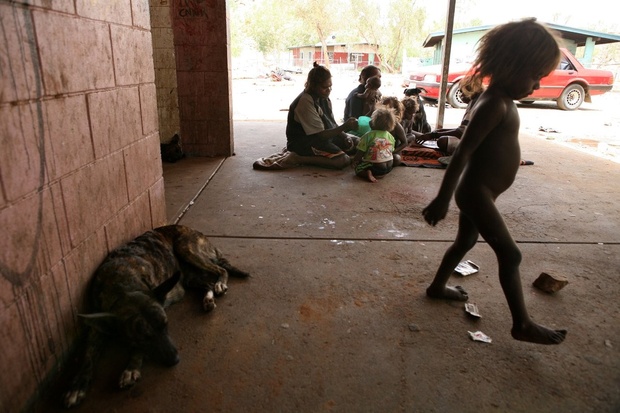
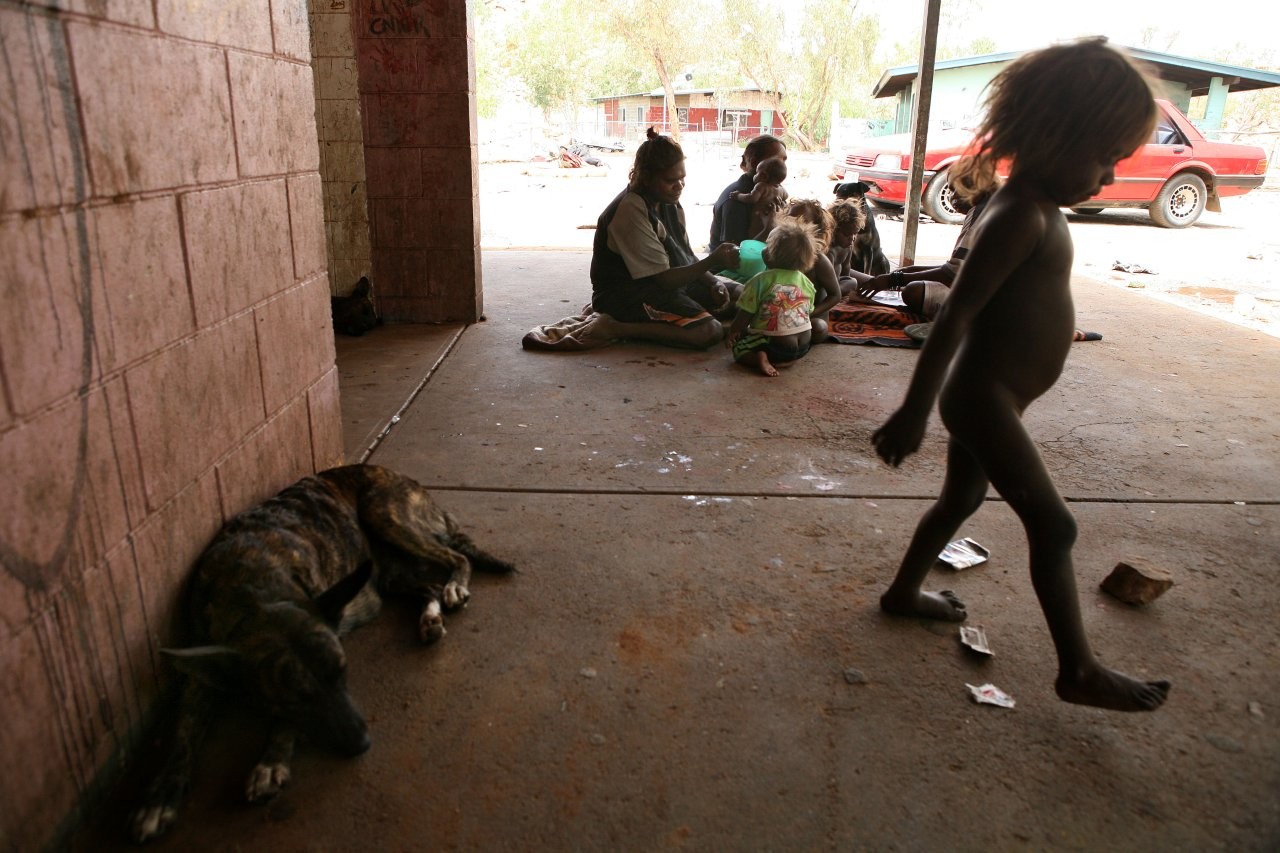
The crisis in the Northern Territory was largely centred on remote communities, driven by severe household overcrowding and high rates of rough sleeping, Aboriginal Housing NT chair Alan Mole said.
Addressing the Aboriginal Housing and Homelands Conference in Darwin on Wednesday, Mole said the NT had the highest rates of homelessness in Australia, about 12 times the national average.
Indigenous people comprised 87 per cent of the homeless population in the territory.
“Aboriginal people in the NT were living in conditions that would not be acceptable anywhere else,” Mole said, with children in some cases living in abject poverty.
“No parent wishes their children to live in these conditions, but why are we forced to accept these conditions?”
Governments were well aware of the situation, a result of neglect over decades, with an absence of new housing on Aboriginal homelands for over a decade, Mole said.
“We are in a housing crisis here in the Northern Territory.”
Speakers at the conference have detailed how overcrowded dwellings and substandard housing infrastructure actively prevent children from being able to study, sleep properly, or attend school regularly, making housing a fundamental prerequisite for successful education.
With multiple generations often living in a single dwelling, children lack a quiet space to do their schoolwork, leading to lower attendance and engagement.
Numerous reviews have raised concerns about funding inequities and the running down of remote homelands schools, with families noting that children often feel safer and learn better at smaller, culturally grounded homeland facilities.
Mole said when things went wrong, Aboriginal community agencies were often blamed, shamed, discredited and “used as a football for cheap political point-scoring”.
But Aboriginal community groups were still the best to deliver, he said, calling on the public sector to work as equals with Indigenous agencies to provide good housing.
“We are still here, our people are not going anywhere,” he said.
The conference observed a minute’s silence for five-year-old Kumanjayi Little Baby who was allegedly murdered near a town camp in Alice Springs on April 25.
The case has highlighted substandard housing and living conditions at town camps in Alice Springs and remote communities.
Prime Minister Anthony Albanese visited the girl’s grieving family in Alice Springs on Wednesday and later told reporters the Federal Government was investing in remote housing.
“Clearly, the Northern Territory Government have had responsibility since 2012 for the town camps,” he said.
“Clearly, there’s a need to do better, to make sure that the living conditions are improved.”
In the wake of Kumanjayi Little Baby’s death, the NT Government has stood down three “highly skilled and highly committed” child protection staffers, an external review into how her case was handled, launched a child protection review and proposed legislative changes which it says will prioritise safety “above all other considerations”.
However, several Aboriginal legal and community organisations have criticised the Government’s proposed response, warning it would increase intervention without addressing root causes.
Former and current child protection workers expressed concern over ‘knee-jerk’ staff suspensions and legislative changes they say could weaken the Aboriginal Child Placement Principle.
“Housing, corrections, domestic and family violence, education, employment, health and community services all bleed into the complexity of these situations and the lives of the families and children we work with,” a former senior child protection worker in Alice Springs told the ABC last week.
“Standing down three workers changes nothing if the underlying systems remain the same and everyone points fingers at individuals who have no power to change the system they work in.”
In a keynote address to the housing conference, independent senator Lidia Thorpe accused the NT Government of racism and launching a “direct assault” on First Nations people with its policies.
Inadequate, overcrowded, unsafe and insecure housing was at the root of so many problems Indigenous people were experiencing, the senator said.
“It leads to preventable disease, lower life expectancy, higher absentee levels in schools and limited job opportunities, just to name a few,” she said.
“It intentionally leads to further criminalisation and more child removals.”
First Nations people were being denied the housing support and services they were entitled to as a basic human right, Senator Thorpe said.
Hosted by Aboriginal Housing NT, the two-day conference has brought together Aboriginal organisations, housing providers, community leaders, legal experts, researchers and government representatives under the theme “Aboriginal housing in Aboriginal hands”.
The conference program has included sessions tackling homelessness, remote housing delivery, climate resilience, homelands policy, overcrowding and Aboriginal led housing solutions.
(with AAP)
13YARN 13 92 76
Lifeline 13 11 14