While mobile phone bans now exist across all Australian states and territories, rules governing wearable devices, including smart glasses and smartwatches, remain inconsistent, creating compliance and implementation headaches for school leaders and families.
Last month, Victoria announced it will expand its school device restrictions to include wearable devices from January 28, 2027, bringing its approach more closely into line with jurisdictions that already treat wearables as mobile devices.
Wearables in Victoria are permitted if notifications are switched off, however the announced changes will extend existing mobile phone restrictions to wearable devices across all school sectors – a move that is a national first.
Independent Schools Victoria chief executive Rachel Holthouse responded to the legislation, which includes government and non-government schools, saying her sector welcomed the announcement and acknowledged the government’s efforts to balance access to electronic devices with the need to support positive learning environments and student wellbeing.
“The announcement reinforces the work many of our schools are already doing, with independent school leaders regularly reviewing the role of technology in their classrooms and broader school environments,” Holthouse said.
Elsewhere, policies vary widely.
In Queensland, Western Australia, the ACT and South Australia, wearables are treated as mobile devices that must be kept off and away.
The Northern Territory and Tasmania only require wearables to be in flight mode, while in New South Wales, digital devices, including wearables, may only be used in specific circumstances, such as for educational purposes, wellbeing support, or as a reasonable adjustment to ensure access and participation for students with specific needs.
Differences in how these policies are implemented present legal and operational questions around enforcement, student privacy, and risk management.
Smart glasses particularly have the potential for misuse. Devices that look like standard eyewear can be used to record audio and video without consent, transforming safe classrooms into spaces where staff and students are constantly monitored.
The hands-free recording capabilities of smart glasses also increase the risk of unauthorised filming, which can be weaponised for doxxing or to generate malicious deepfakes.
Students can also use discreet features like AI-assisted prompts or covert image sharing to cheat on assessments.
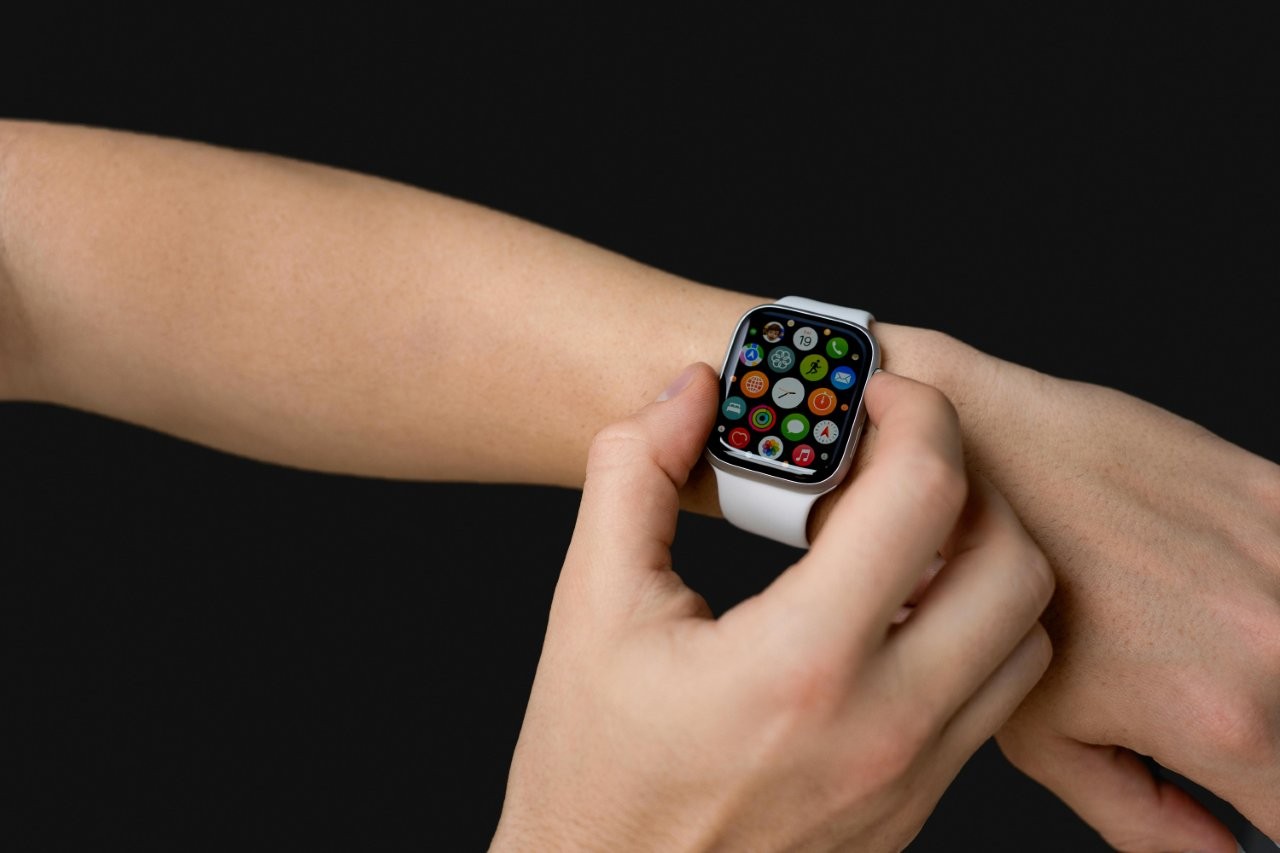
The presence of wearable technology creates environments where unauthorised photographs, videos, or audio can be recorded without consent, turning classrooms into unmonitored surveillance zones.
Emily Booth is a Special Counsel at national commercial law firm Holding Redlich, and says there are a range of privacy and data security risks arising from student use of wearable devices capable of recording audio, video and images.
“I recently heard about an incident where a school was needing to justify suspension of a student who shared nude images of their ex-partner with their new partner, and the new partner and friends then used those images to bully and humiliate the individual,” Booth tells EducationHQ.
“That kind of incident for that victim could be life-changing. I fear that schools would be grappling with issues like this on a regular basis and wearable devices just add fuel to the fire and heighten these risks.”
Booth, a corporate and commercial lawyer with particular expertise in intellectual property and privacy issues, says students should realise that actions like this can attract criminal penalties.
“They can lead to all sorts of civil legal action if the individual wronged was inclined to pursue this,” she shares.
“In a worst-case scenario, the increased ability for wearable devices to record audio and video images also increases risks around predatory behaviour in adults in the school in environment, making covert recording more accessible.”
Wearables can collect highly personal audio, video, image, biometric, and location data, which raises the stakes if anything is misused or leaked, including to third party vendors.
“Past incidents of data leaks from Strava exposing military activities and the VTech children’s toys incident data breach provide stark examples of the potential risks that schools run the risk of being caught up in,” Booth explains.
“If schools do not have policies and processes around known risks or take steps to prevent them, the schools (or the Department of Education) could then be exposed to legal action as a consequence.
“It’s similar to the scenario where individuals commit crimes offline, but the school fails to adequately respond to known concerns or complaints and becomes liable themselves.”
The legal expert says it is common for laws to differ across jurisdictions, especially as state schools are governed by state governments which all have differing agendas, and that Victoria’s new policy is the nation’s most comprehensive.
“Victoria led the nation by banning mobile phones in public school classrooms in 2020 and will be the first state to legislate restrictions on wearable technology in schools next year,” she says.
Booth says school principals should be quite concerned, but that “thankfully” the new policy is likely to solve many of the issues by providing guardrails around use.
“I’m sceptical about how difficult it might be to enforce the new policy and know, for example, if notifications or recording ability is switched off, but that is more of technical issue,” she says.
The jury is out on the potential feasibility of a national approach, which Booth acknowledges would be a challenging task.
“Most states have policies in place or schools have taken it into their own hands so it’s not as critical as (for instance) uniform laws around child protection checks for example,” she says.
For now Booth advocates a practical and common-sense approach by principals preparing for the upcoming changes.
“I think it’s more about just doing their best to implement the policy and acting on complaints / issues as they arise to ensure the school is not an unsafe environment,” she says.
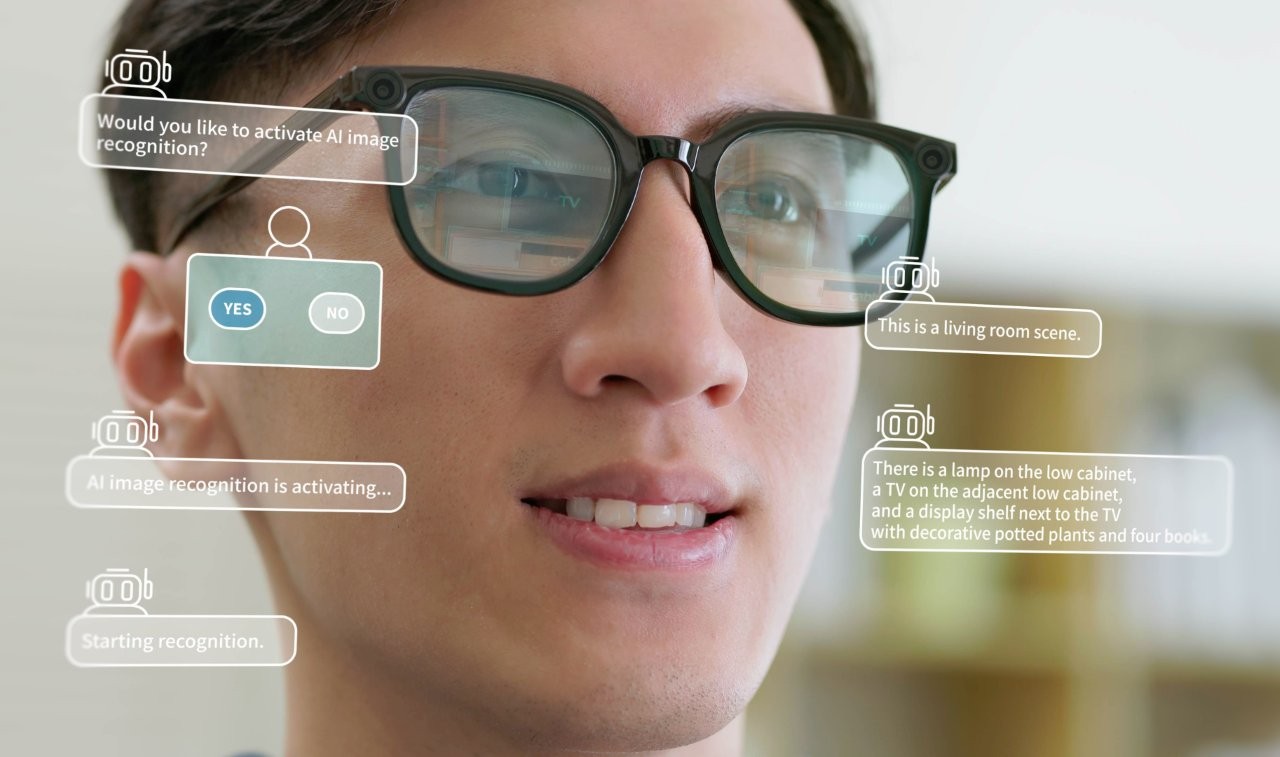
Despite the significant challenges for Australian schools, educators acknowledge that smart glasses possess genuine benefits, particularly as accessibility tools for students with vision or hearing impairments.
Smart glasses are already being tested that can display live captions or even instantly translate speech.
A new Flinders University study has found that artificial intelligence-driven AR smart glasses – when combined with group work, iPad exercises and other classroom activities – resulted in high levels of student engagement and cohesive behaviour.
Balancing these advantages with safety demands urgent systemic policy updates, as current education policies lag far behind this emerging technology.