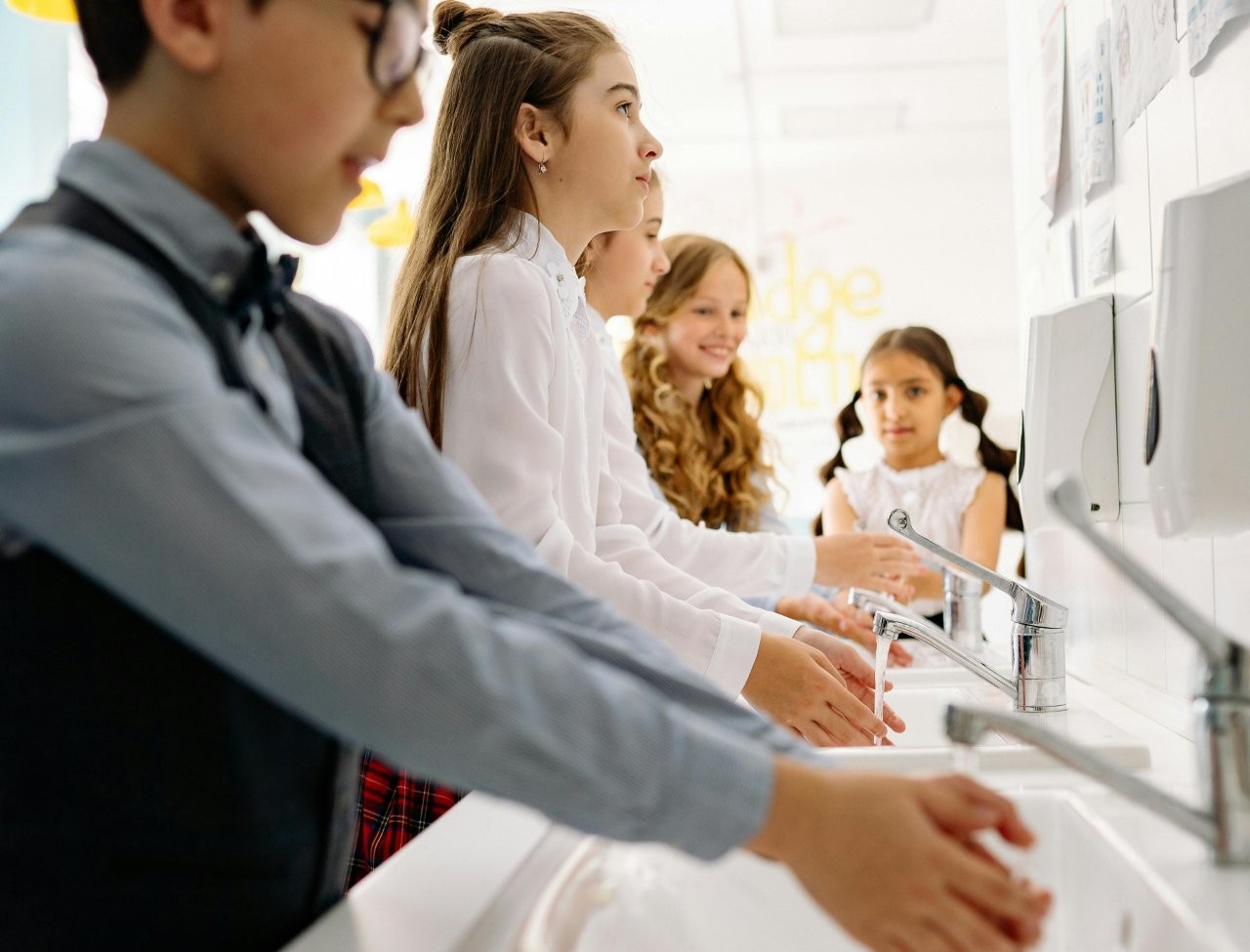
Poor hygiene environments contribute to the spread of germs, increased absences, and reduced classroom engagement, directly impacting learning outcomes – and in high-contact environments like classrooms, where desks, equipment, and spaces are constantly shared, the risk of infection spread is significantly higher.
Hygiene, concentration, and learning performance are deeply connected in schools. Clean, well-ventilated environments reduce illness-related absences and directly improve focus and academic outcomes.
In contrast, poor hygiene – including inadequate changerooms/toilets or hygiene poverty – creates mental and physical barriers that hinder learning.
Schools can optimise cleanliness, hygiene, and safety by implementing rigorous, evidence-based cleaning routines, upgrading facility ventilation, and actively educating students on personal hygiene and in the process significantly reduce illness transmission and foster a healthier learning environment.
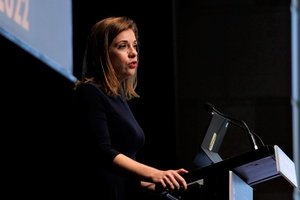
With increasing pressure on schools to improve classroom cleanliness and deliver safe and supportive learning environments, Prabin Shrestha, CEO at national cleaning company SKG Services, tells EducationHQ many schools have fallen into common pitfalls, where their leadership teams seem confused regarding the actual requirements of a school on this front, compared to compliance or regulation obligations.
“Schools vary greatly in so many ways, each is different and while there are basic regulations, how you maintain standards varies for each individual school, some schools might require more frequent cleaning than others,” Shrestha shares.
“So while basic regulations provide a general guide and set a basic requirement, we need to treat schools as individual environments and look at what the requirement is to maintain the hygiene standards of each.”
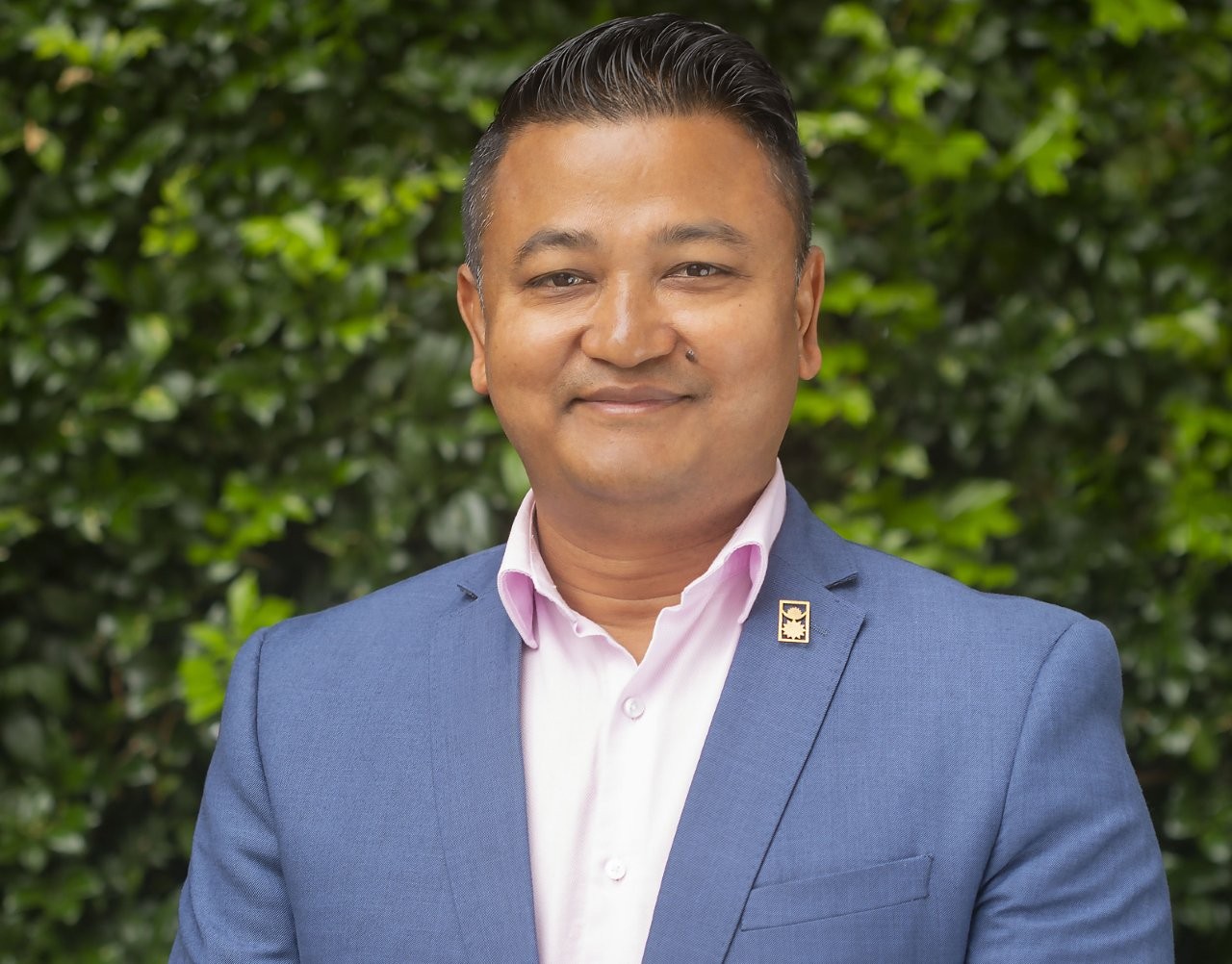
SKG Services CEO Prabin Shrestha says following COVID there has been an increased awareness of the importance of cleaning hygiene. “There have been a lot of changes within schools post-2021,” he says.
As an example, Shrestha says one classroom might have 10 students, another might have 50, and each provides a very different scenario in terms of cleaning requirements.
“And also, if the classroom doesn't have a good airflow and there's no proper ventilation, it's totally different than the classroom that does have one.”
He says post-COVID – thankfully – there has been an increased awareness of the importance of cleaning hygiene.
“There have been a lot of changes within schools post-2021,” he says.
Nowadays high-touch surfaces, including door handles, light switches, water fountains, cafeteria tables, keyboards, and bathroom fixtures are the focus of daily cleaning and sanitisation efforts, while commercial-grade, low-toxicity, and low-odour cleaning products that meet national health standards to protect students and staff are a major priority.
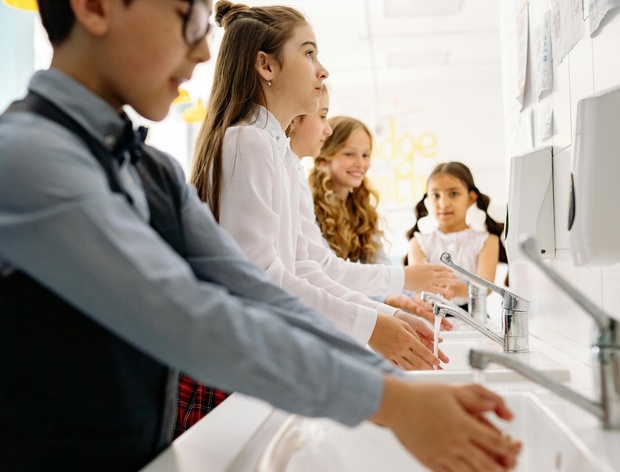
Proper handwashing education has been incorporated into the curriculum to ensure students develop healthy lifelong personal care habits, while the spread of airborne contaminants like dust and mould has been minimised by the opening of classroom windows and the deployment of appropriately sized air purifiers in shared or crowded indoor spaces.
Shrestha says consistent cleaning standards have helped improve both wellbeing and educational performance.
“Schools are complex environments, every school is different – the number of students, the layout of the classrooms, the airflow inside and outside of classrooms, the air-con systems – a lot of things impact how cleaning is carried out in a school.”
Awareness on the part of teachers, non-teaching staff and students has increased dramatically.
“Students present regularly in different classes, different environments, there's screens, devices like laptops, iPads, high touch point points, like door handles, taps in the bathroom, so there's a lot of things we need to be very mindful when it comes to hygiene in schools.
“There has been a lot of involvement from the teachers, not just cleaners, which is critical given cleaners are not present in classrooms during the day.
“To their credit, they’ve taken the initiative and engaged in some cleaning, but it’s moreso about lifting their hygiene awareness and ongoing maintenance themselves through the day, which has clearly reduced a lot of the frequency of sick students.”
Shrestha says the amount of sanitisers and wipes used by staff and teachers alone is amazing compared to five years ago. “It's totally changed the dynamics,” he says.
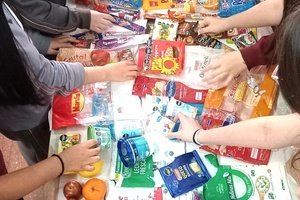
Research from Per Capita has also found that hygiene poverty (an inability to afford everyday personal and household cleaning essentials due to financial hardship ) affects up to 7 per cent of Australian school-aged children, a figure that could double under broader poverty measures.
Shrestha says ultimately when it comes to cleanliness and safety within schools, optimal outcomes require a shared responsibility.
“Cleaners are not in schools throughout the day, so for staff, teachers, and to some extent, students, it comes down to learning cultures.
“It’s not just a compliant task, it's important we get students involved as well. And to some extent, we have been successful, but students being students, sometimes they don't get it.”