That deficit was translating to ‘these little people’ not being able to articulate or express their needs, which then was manifesting as behavioural issues, or more specifically, aggressive behaviour, the principal tells EducationHQ.
While sitting down looking at Australian Early Development Census (AEDC) data, a speech pathologist uttered to Kanowski, “Steve, kids won’t talk unless they’ve got something to talk about”.
“… and so we made it our objective to give children something to talk about,” the principal shares.
It was the catalyst for a whole-school, evidence-informed shift to embed play as a core philosophy driving learning, wellbeing and connection.
Indeed, research suggests that unstructured or free play can help develop children’s emotional self-regulation, critical thinking, problem-solving and social skills.
Ironically, only a month or so earlier, Kanowski had been sitting in the audience listening to a keynote from play in education advocate Professor Pasi Sahlberg, and was hooked.
Then COVID hit and things really kicked into gear.
With the school still open for children of essential workers or vulnerable students, (which at Berrinba East meant about 50 per cent of students), Kanowski determined that the school had a four-week pass to dip its toe in the water, so to speak, and see how it would go embedding play.
“We didn’t just dip our toe … we jumped in head first and away we went,” Kanowski says.
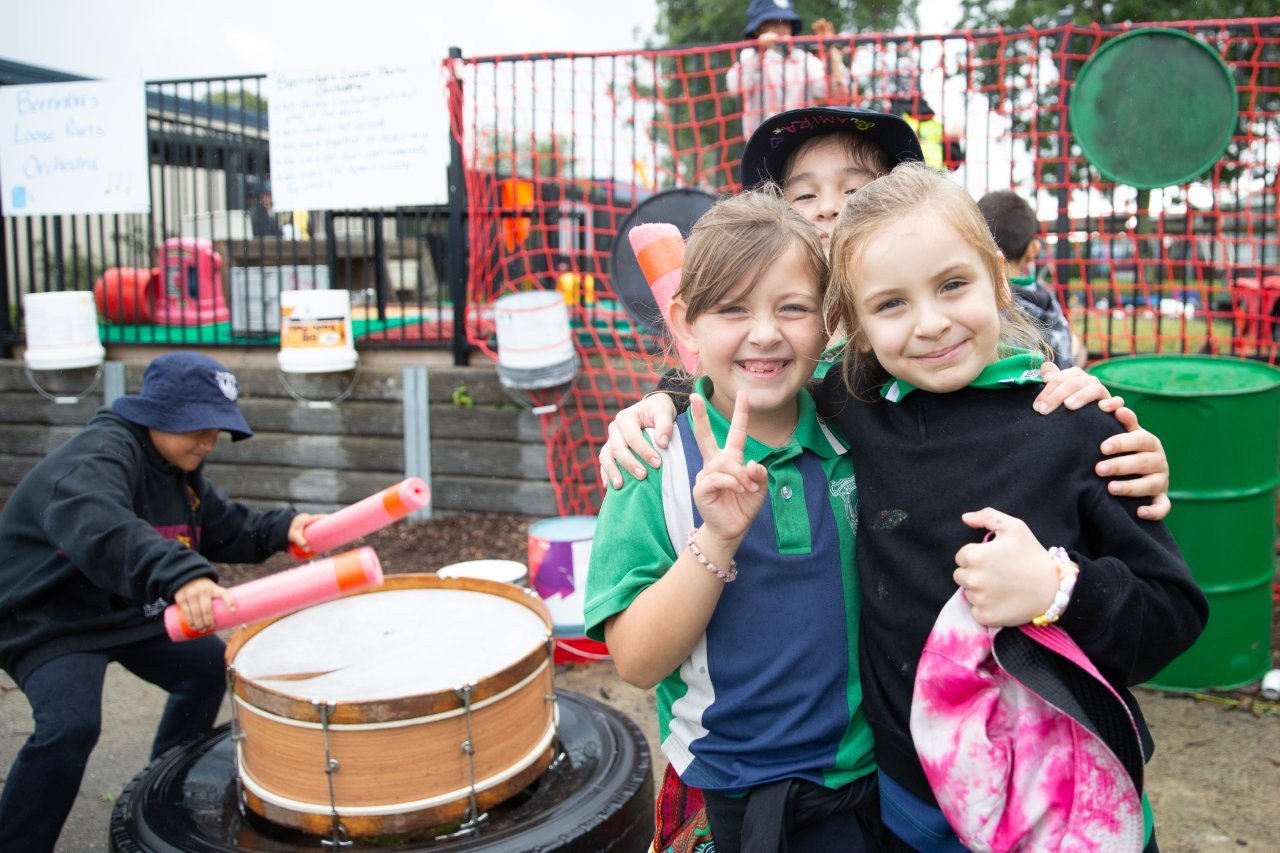
“Berrinba East State School shows what becomes possible when play is treated as a powerful foundation for language, wellbeing, belonging, and human flourishing,” Play Award sponsor Pasi Sahlberg said.
Starting with the playground, the school embraced the community as partners to develop engaging play spaces that sparked curiosity, imagination and creativity, enabling students to enter deep states of what they called “play flow”.
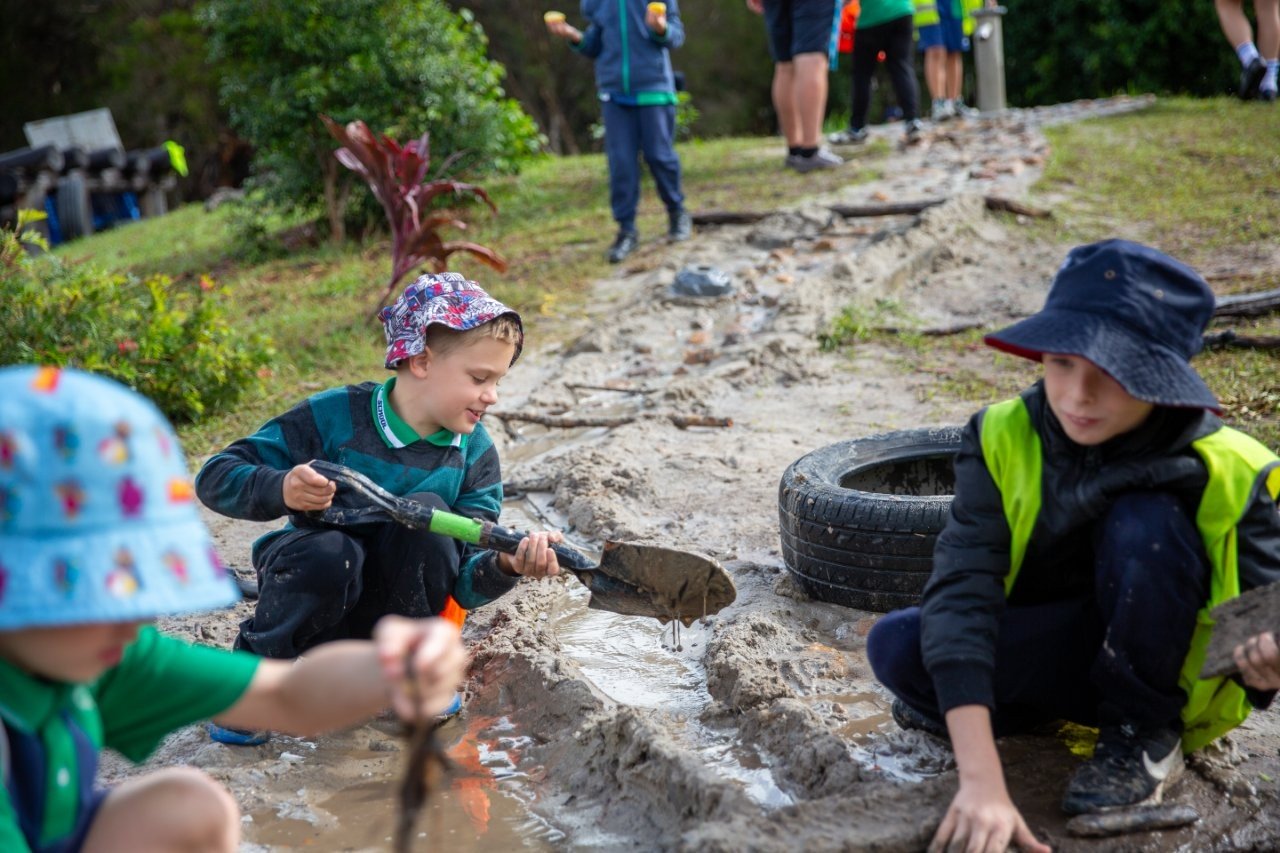
Play areas such as a ‘Dig It Creek’ were established, a bike track program sprang into life, that students constructed and continue to maintain, an outdoor kitchen garden was shaped, and an Indigenous garden and chicken coop were built, in the process embedding respect for land and sustainability as well as traditional understandings of caring for Country.
Combined with explicit teaching about how to safely access these environments and assess and mitigate risk thanks to specialist outdoor play and learning lessons, the impact was immediate.
“What we saw over the next 12 months was a dramatic reduction in student behaviour issues, and so suspension rates went down after a dramatic drop in physical aggression,” Karnowski says.
Within 12 months, behavioural incidents reduced by 75.5 per cent and suspensions by 40 per cent, with sustained improvements over time.
Playground incidents now account for only 11.9 per cent of behaviour incidents in 2026, compared to 55.9 per cent in 2021.
But the leadership team wanted a corresponding lift in student’s academic performance, and this just wasn’t happening.
“That’s where we really started to ramp it up a bit,” Kanowski, who heads up what’s called Playmakers Alliance, which at present has 48 schools in southeast Queensland signed on, explains.
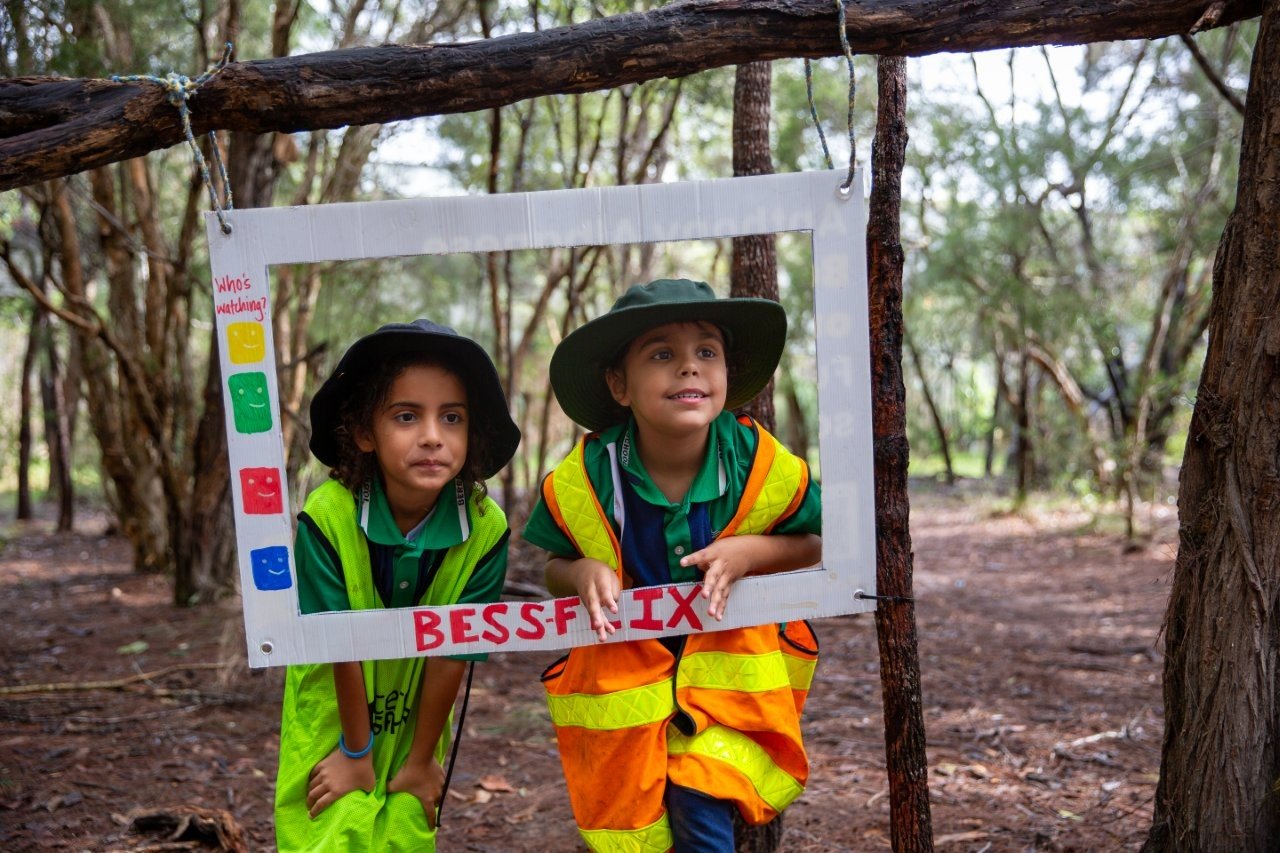
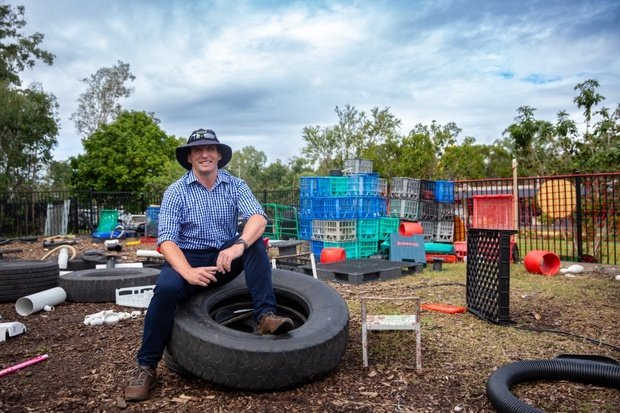
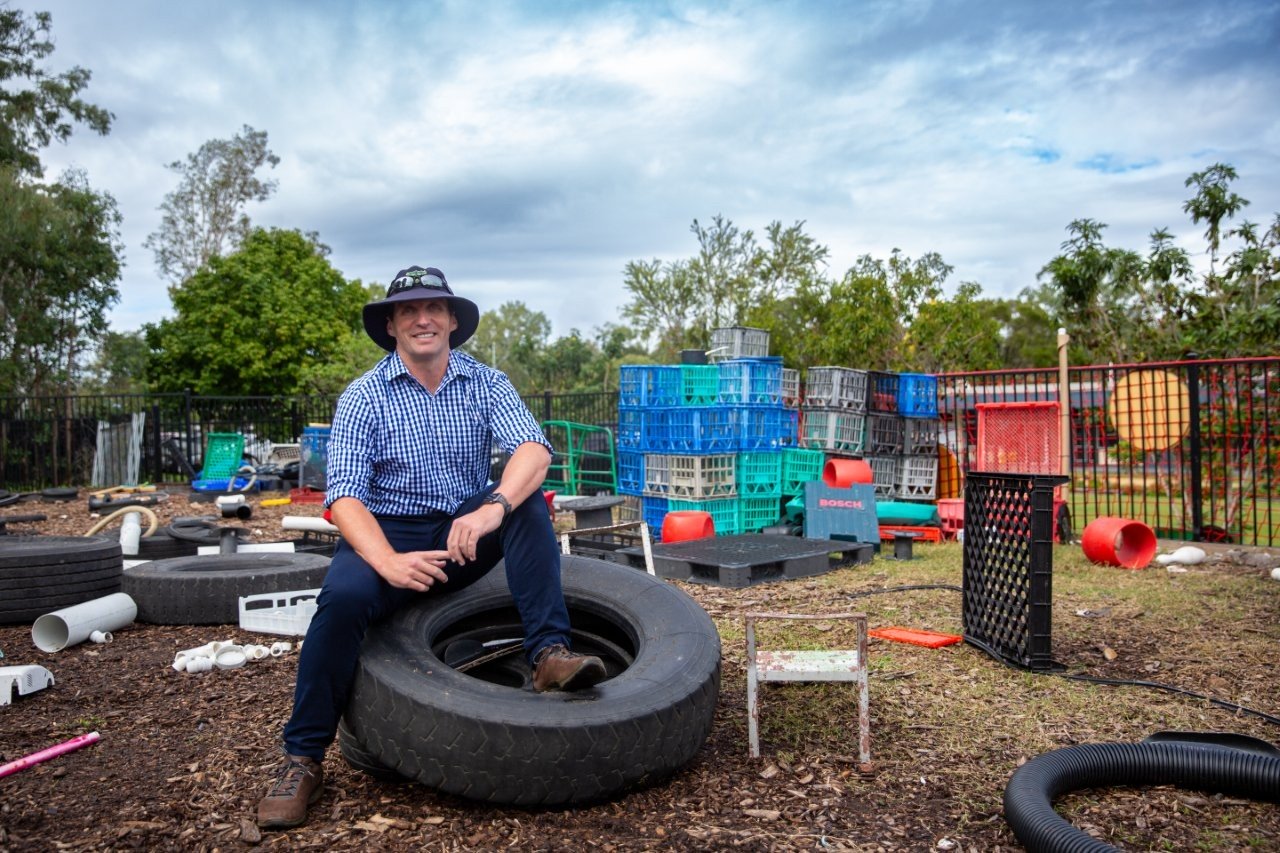
Outdoor play at Berrinba East includes tree climbing, cubby building and animal and plant exploration. An outdoor kitchen garden, indigenous garden and chicken coop, embed respect for land, sustainability, and traditional understandings of caring for Country.
Kanowski linked with Dr Sarah Aiono, CEO and co-director of Longworth Education in New Zealand, and an internationally recognised advocate for play pedagogy, and looked at her learning framework.
“So we put in place a deliberate plan for opportunities for children to learn through play.
“We went through the curriculum and identified what it is that kids can learn through play and what it is that kids need to be explicitly taught that can deepen the learning through play.”
Over the past three years, cohorts of teachers have been coached with the pedagogical approach and now the school is at a point where teachers in eight of its 17 classes have been through 12 months of coaching with this body of work.
“So what we see here now is play happening at playtime outside, but also in the classroom and at all learning times.”
English pass rates have gone up dramatically, roughly around 25 per cent, but significantly, by working closely with early childhood providers on the oral language deficit space, the AEDC data has improved dramatically.
“So we have more kids coming to school developmentally on track, and particularly around that language and cognition skills and communication skills,” Karnowski says.
The key has been ensuring that the parent community was brought in at Ground Zero.
“So when we first proposed the idea, the first group we presented to was our PNC.
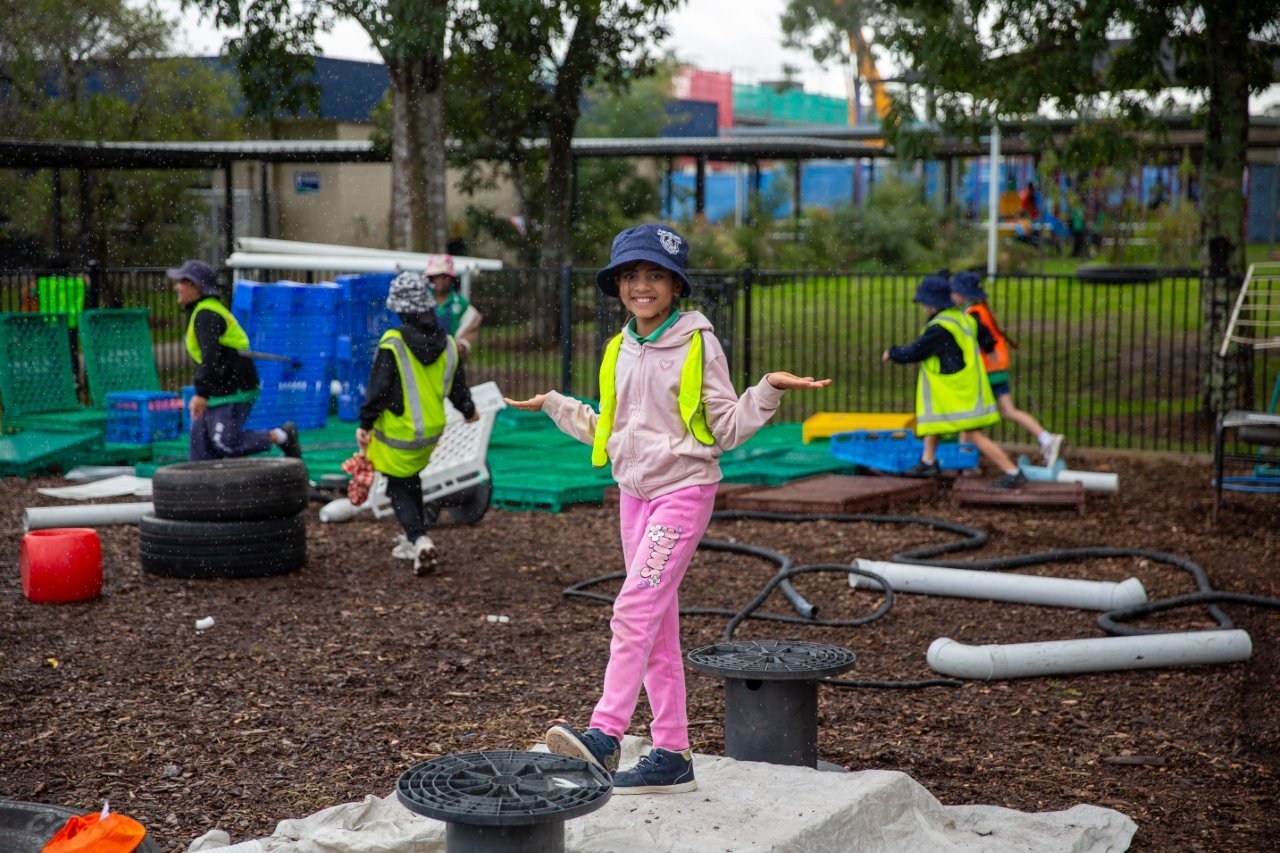
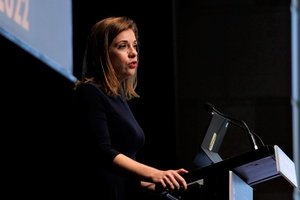
Principal Steve Kanowski’s efforts, and those of his leadership team and staff, have seen the school awarded the Sydney Opera House’s annual Play Award for a primary-aged school that has made a remarkable and ongoing contribution to play in learning.
“We simply asked the question, ‘how did you play when you were a child?’ And all of these amazing ideas came out, and we then came up with a mantra of, ‘okay, what are we going to be trying to do here? We’re going to try to bring back childhood, because a lot of our parents wished that their children could have the same opportunities they had...’
Importantly, parents were engaged in the risk-benefit analysis work.
“The third piece that we do is what we call our ‘learning stories’. So we share these regularly with our families, and all it is, is highlighting the direct connections between the learning through play that’s occurring in the classroom and the achievement standards of the Australian curriculum.
“So we don’t shy away from using curriculum language, and we identify where it comes from within the curriculum, and we draw the explicit connections between what the children are demonstrating through play and what they’re demonstrating that they’ve learnt.
Almost 20 per cent of Berrinba East State School’s 400 student cohort come from an overseas or refugee background, 23 per cent of students at the moment have a diagnosed disability,15 per cent come from a First Nations background and the school has a big Pacific Islander Polynesian community as well.
While it’s a low socio-economic community, with many different cultures and beliefs within the school, there’s a tremendous sense of pride in community as well.
Kanowski’s efforts and those of his leadership team and staff saw the school awarded the Sydney Opera House’s annual Play Award recently, for a primary-aged school that has made a remarkable and ongoing contribution to play in learning with demonstrated positive impact in the school community.
“We now have more kids coming to school developmentally on track, and particularly around that language and cognition skills and communication skills,” Karnowski says.
“I suppose the big thing for us was the impact on our community,” the principal says.
“We’re a socially disadvantaged community. Unfortunately, this community is weighed down by some negative stereotypes, and when people think of Logan, they think of not the good things that come out of here.
“What I love is that there’s this little phrase that’s been used to describe our school for a while now and that’s ‘the little school from Logan that does big things’.
“It’s just created a pride in not only our school, but also our community as well – that we’re able to do something innovative and be acknowledged as one of the best in the country at it.”
As the teacher shortage relentlessly continues nationwide, Kanowski says schools must have a point of difference as to why people would preference one over another.
“What we have found is this shifts staff morale, it provides a sense of self-efficacy around the work that our teachers do, and particularly the fact that it’s backed through instructional coaching.
“It’s not just, ‘okay, we embrace play, go and play’. There’s that support there. So that’s great.”