


The news comes following a two-hour strike on Friday, which saw Canberra’s public school workforce carry out stop-work industrial action for the first time in 15 years.
Angela Burroughs, AEU ACT branch president, told EducationHQ that the union wants ACT teachers to be the highest paid in the nation – an election promise made by the Government in 2024.
“…now nothing on the table so far brings us close to that,” she says.
Burroughs says the in-principle agreement currently being voted on in Victoria, which will see the state’s teachers pocket a pay rise of up to 32.4 per cent, is ‘the one to catch’.
But unfruitful and prolonged negotiations with the Education Directorate have left union members angry and frustrated, she added, leaving no option but to strike.
“It's come to this because there's been a lack of progress, and we've been bargaining since we lodged our claims in July last year.
“Our agreements expired in March of this year - no educator wants to take strike action particularly, you want to be in front of your class, but just were forced to because the government will not come to the table and engage with our claims – and our claims are pretty reasonable,” Burroughs argues.
The union say the bargaining dispute is about more than securing a better pay deal, and instead calls on the Government to address the excessive workloads, workforce shortages, increasing classroom complexity and growing and unsustainable demands its says are bearing down on teachers and school staff.
Staff shortages are really at the crux of the many significant problems plaguing ACT public schools, Burroughs says.
“Safety is a product of not having enough or the right staff in in schools.
“We are (also) concerned about student learning because of the frequency of splitting, combining or cancelling classes. Once upon a time that was a really rare event, certainly in my teaching career it might have happened once a year, whereas it's happening daily now.”
More resourcing for schools to be able to employ relief teachers are desperately needed as well, she adds.
“[We need a] staffing model that recognises the change pattern of leave utilisation, and that we need more resources to be able to afford relief teaching staff in the ACT.
“So all of these [issues] are staffing-related and about workforce planning – and just simply having enough staff in every school so that there is a qualified teacher in front of every class, every day.”
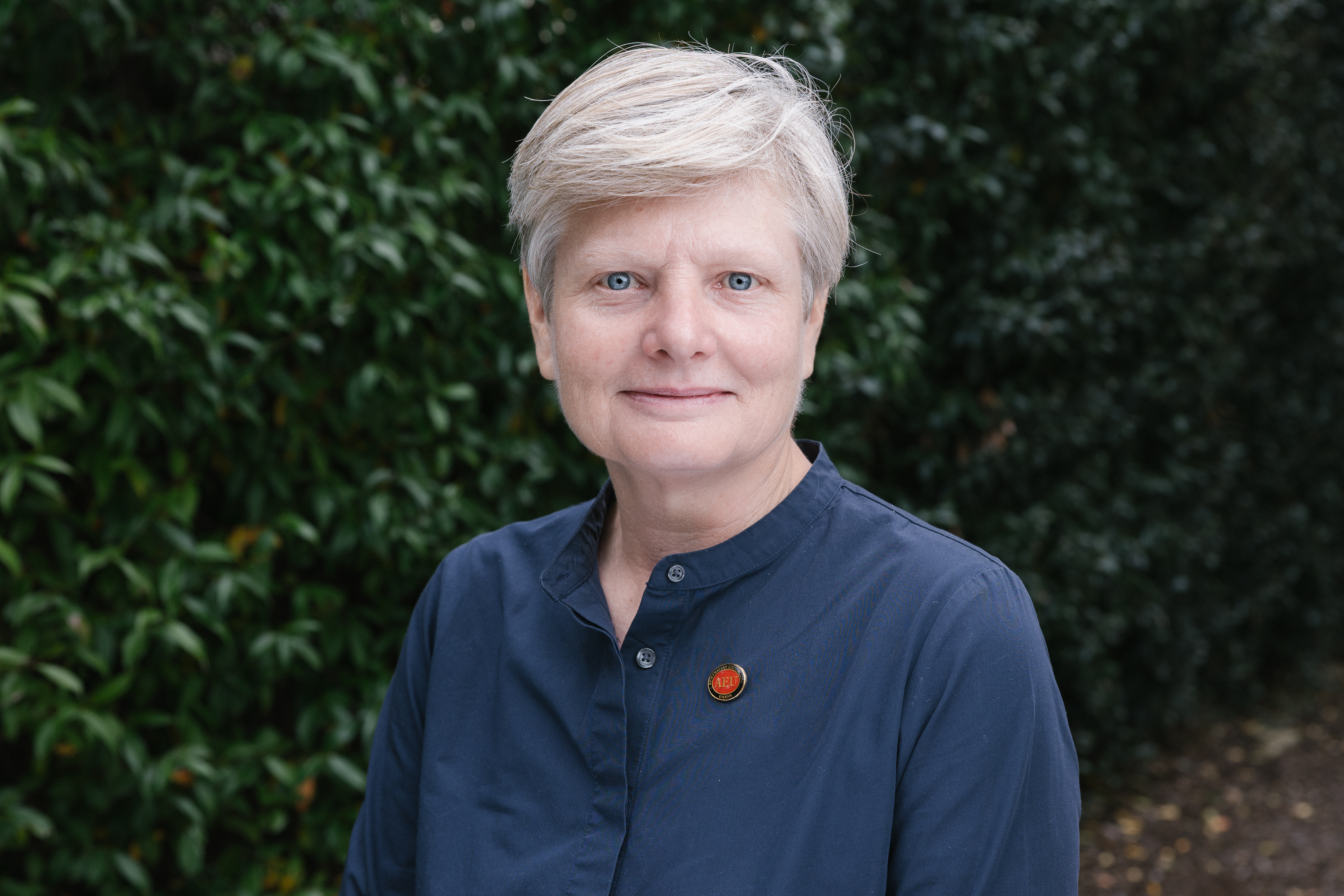
AEU ACT branch president Angela Burroughs suggests the ACT Government is failing to deliver the 'bare minimum' for teachers.
The issue of escalating violence in ACT schools has come under increasing scrutiny this year.
In January, reports emerged of teachers being “kicked, punched, slapped, scratched, strangled” and dealing with “furniture being thrown", on the daily, with educators speaking out about their dire workplace conditions.
Meanwhile, data recently supplied to the ABC by the Education Directorate shows bullying has become more prevalent in ACT public schools.
In 2021, a year impacted by COVID, there were 467 instances of bullying reported. Last year, that number had reached 723.
Commenting on the situation, educators have taken to Reddit to share their take.
“…The schools have been hamstrung by this “right to an education” crap which has been pushed on them by the Department of Education,” one posted.
“In public schools it is now incredibly difficult to suspend a child, which would force the parents to deal with their own kid as they can no longer rely on the school to babysit all week. It is near impossible to expel…” they added.
Another noted that “a child's right to an education shouldn't mean at the cost of other children or the safety of teachers”.
“There needs to be a system where highly disruptive children can be isolated. Teachers have no options as is,” they wrote.
Rates of occupational violence are certainly heading in the wrong direction in ACT’s schools, Burroughs indicated.
“We've got some pretty horrendous occupational violence reporting rates, I think there's a report every seven minutes now, so we we're just not getting on top of this.
“As a jurisdiction that sort of led the charge back in 2017, we always knew that there would be a period of time where occupational violence reports would increase - we didn't expect that to be the case 10 years later,” she adds.
The Government’s inclusive education agenda is clearly not properly resourced in schools, the union leader adds.
“[There’s no recognition] that some students will require extra resources to be able to succeed, and at the moment those extra resources are too often only available when someone gets hurt - and that is no way to be trying to pursue an inclusive education plan.
“We want to be safe at work, we want to provide students who need extra resources with a guarantee of those resources, rather than the government promising that every school has them and that's just not true.”
The union are also calling for action on ballooning class sizes, which Burroughs says are higher than in other states and territories.
One primary school teacher who is a member of the union reports teaching classes with around 50 students every day.
“The maximum number of students you should be teaching, and only in the upper (primary) grades is 30, which is high compared to others around the country. It gets higher for us in high school, from (Year) 7-9 the maximum class sizes is 32.
“But what we're hearing is that every day classes are combined, so you might be at 30 but suddenly that becomes 40 or 60 - it's a daily occurrence rather than a rarity.”
Burroughs maintains that teachers’ goodwill has “become the contingency plan”.
School principal Peter Kent reports educators have reached a point where they can no longer absorb the failures of the system.
“That is why we must be the red line that says: no more. No more pretending that overwork is professionalism.
“No more expecting principals and educators to endlessly absorb the inadequacies of a system under strain,” Kent said.
“System problems require system solutions. That is why enterprise bargaining matters…”
For the rest of Term 2, the union have put a ban on teachers writing written comments in student reports.
“We are doing this because our best work happens in the classroom, but we are overloaded by additional work that too often happens at nights and on weekends.
“We need better staffing and support in schools to ease this load,” it noted online.
ACT Education Minister Yvette Berry says she supports teachers and school staff taking the industrial action.
A further update on the negotiations underway is expected this Wednesday, Burroughs flags.