


Through no fault of their own, these, mostly teenagers and children, are taking on relentless, unpaid responsibility for family members living with disability, illness, addiction, frail age or mental health challenges.
Almost 400,000 of them face significant barriers to the same educational opportunities as their peers, with Little Dreamers Australia’s Annual Young Carer Survey revealing that nearly six in ten of their families are experiencing chronic financial stress, with almost half going without essentials such as food, transport or medicine.
Shockingly, more than a third (35 per cent) of young carers are using their own money to cover caring costs.
Established in 2009, not-for-profit Little Dreamers delivers more than 14,500 hours of direct support to young carers – including respite care, educational support, mentorship programs and mental health resources.
The organisation helps young carers (aged 4-25 ) survive and succeed by supporting their wellbeing, education, and futures.
Founder and CEO, Madeleine Buchner OAM, says improved training for schools and teachers is urgently needed to ensure these kids are also not left facing reduced opportunities for work and study.
“Teacher training is absolutely critical because young carers are often invisible in the classroom,” Buchner tells EducationHQ.
“Many don’t identify themselves as carers because they simply see it as part of normal family life, while others are fearful of stigma, judgement or intervention.”
That means teachers are often the first people in a position to notice that something isn’t right, but only if they know what to look for, she says.

Little Dreamers Australia founder Madeleine Buchner says without proper training, teachers can easily mistake warning signs such as exhaustion, repeated absences or disengagement for behavioural problems.
“Some of the signs can include repeated absenteeism or lateness, exhaustion in class, difficulty concentrating, declining academic performance, social withdrawal, anxiety, or a student regularly seeming preoccupied or emotionally overwhelmed.
“Young carers may also struggle to participate in extracurricular activities or complete homework consistently because of the caring responsibilities they have outside school hours.”
What’s important is helping teachers understand the context behind those behaviours, Buchner shares.
“Without training, these students can sometimes be misinterpreted as disengaged or unmotivated, when in reality they’re carrying an enormous amount of responsibility at home.
“Early recognition and compassionate intervention can make a huge difference in connecting young carers with the support they need before they reach crisis point.”
Buchner grew up caring for her younger brother, who had a range of chronic illnesses, and her mother, who was diagnosed with breast cancer.
At just nine years of age, she identified a gap in the support system for young carers and set about raising awareness through fundraising events and stalls. She founded Little Dreamers at just 16 years of age.
Buchner says many of the challenges facing young carers today remain as significant as they have been for years, and in some cases, are becoming more complex.
“We’re continuing to see young carers miss school regularly, struggle academically, and experience high levels of emotional stress because of the responsibilities they carry at home,” she explains.
“There’s definitely growing awareness around young carers, which is encouraging, and some schools are making meaningful progress in creating more supportive environments.
“But support is still inconsistent across the education system. Too often, whether a young carer receives understanding and flexibility depends entirely on whether an individual teacher or wellbeing staff member recognises what’s happening.”
The reality is that many young carers are still flying under the radar. They’re exhausted, overwhelmed and trying to balance adult-level responsibilities while keeping up with school expectations according to Buchner.
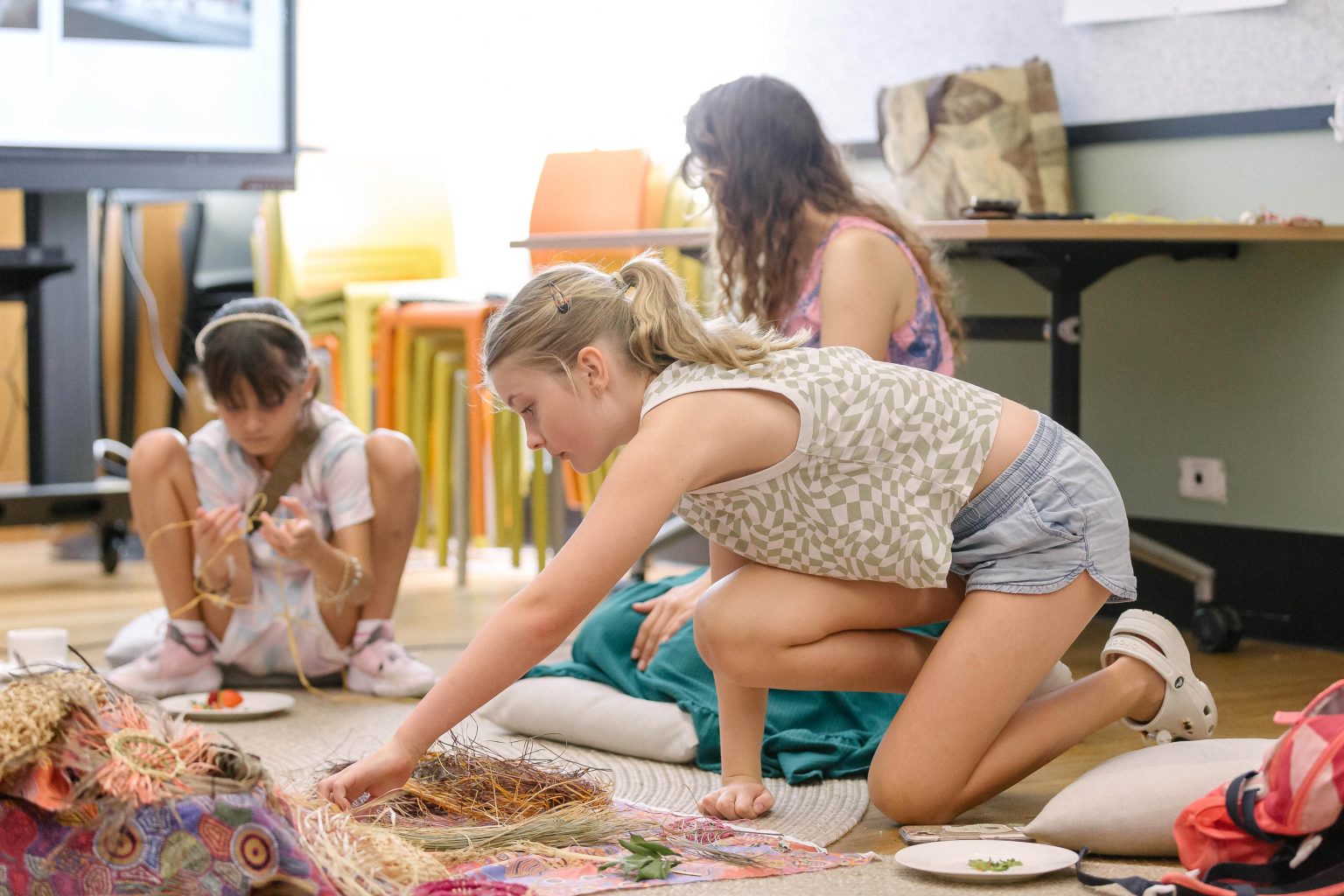
Support programs like Dream Experiences give young carers the opportunity to step away from their caring role and simply enjoy being young people.
“Until there is broader systemic recognition and support embedded into schools nationally, too many young carers will continue to fall behind through no fault of their own.”
Little Dreamers’ contributions help direct essential support to young people who are often struggling in silence, enabling them to manage their responsibilities, protect their wellbeing, and stay engaged in education and employment.
“Everything we do is designed to improve wellbeing, reduce isolation, and help young carers feel seen, supported and hopeful about their future,” Buchner shares.
“One of the programs we’re especially proud of is our Dream Experiences initiative, which gives young carers the opportunity to step away from their caring role and simply enjoy being young people.
“Whether it’s attending a concert, sporting event or special activity, these experiences provide moments of joy, connection and respite that many young carers otherwise miss out on.”
Little Dreamers’ education and mentoring support programs also help young carers stay engaged with school and future pathways.
“Many young carers tell us they feel alone or misunderstood, so creating spaces where they can connect with peers who truly understand their experiences is incredibly powerful.
“Another important area is our wellbeing support, including holiday programs, workshops and mental health initiatives that help young carers build resilience and confidence.
“Seeing young people who once felt isolated begin to reconnect with their goals, friendships and sense of self is one of the most rewarding parts of the work we do.”
Buchner would love to see teachers and school leaders creating environments where students feel safe to talk about their responsibilities at home without fear of judgement or being treated differently.
“Sometimes the most powerful thing a teacher can do is simply ask a student if they’re okay and listen with compassion,” she says.
Practically, that can look like greater flexibility around attendance, assignment deadlines and participation expectations when a student is managing significant caring responsibilities.
“Individual learning plans, wellbeing check-ins and stronger communication between schools and support organisations can make an enormous difference in helping young carers stay connected to their education rather than feeling pushed out by it,” Buchner says.
For principals, there’s a real opportunity, the 2019 Order of Australia recipient says, to build school-wide awareness, so support doesn’t rely on one particularly observant teacher.
“Training staff to recognise young carers, embedding wellbeing support into school culture, and ensuring clear referral pathways exist can have a lasting impact on a student’s future.
“What I’d say to educators is this: young carers are incredibly resilient, capable and compassionate young people, but they shouldn’t have to navigate these challenges alone.
“Schools have the power to become one of the most stabilising and supportive environments in a young carer’s life, and that support can genuinely change the trajectory of their future.”
With more than 6500 young people reached nationwide, Little Dreamers is Australia’s leading young carer organisation. For details on programs and services, click here.