Privacy advocates and consumer groups have raised major concerns this week over Kmart Australia’s newly released Anko Camera Glasses, labelling them a “privacy nightmare” due to fears of covert surveillance.
Retailing for just $89, the budget alternative to Meta’s $469 Ray-Ban smart glasses sold out nationwide almost immediately, escalating concerns that hands-free, non-consensual filming will become mainstream.
Core concerns include the glasses’ ability to record covertly and non-consensually, the safety risks in vulnerable spaces, their potential for weaponisation for targeting and harassment, and major queries over data sovereignty and AI app security.
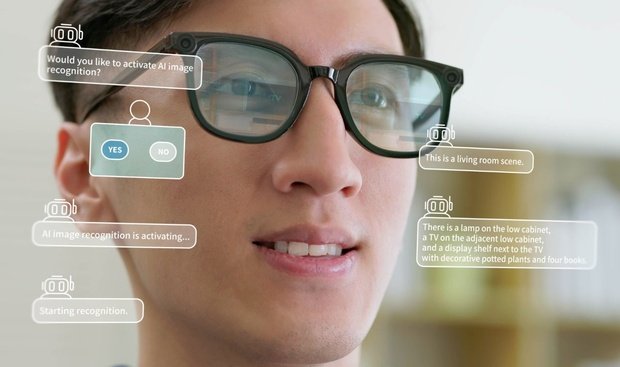
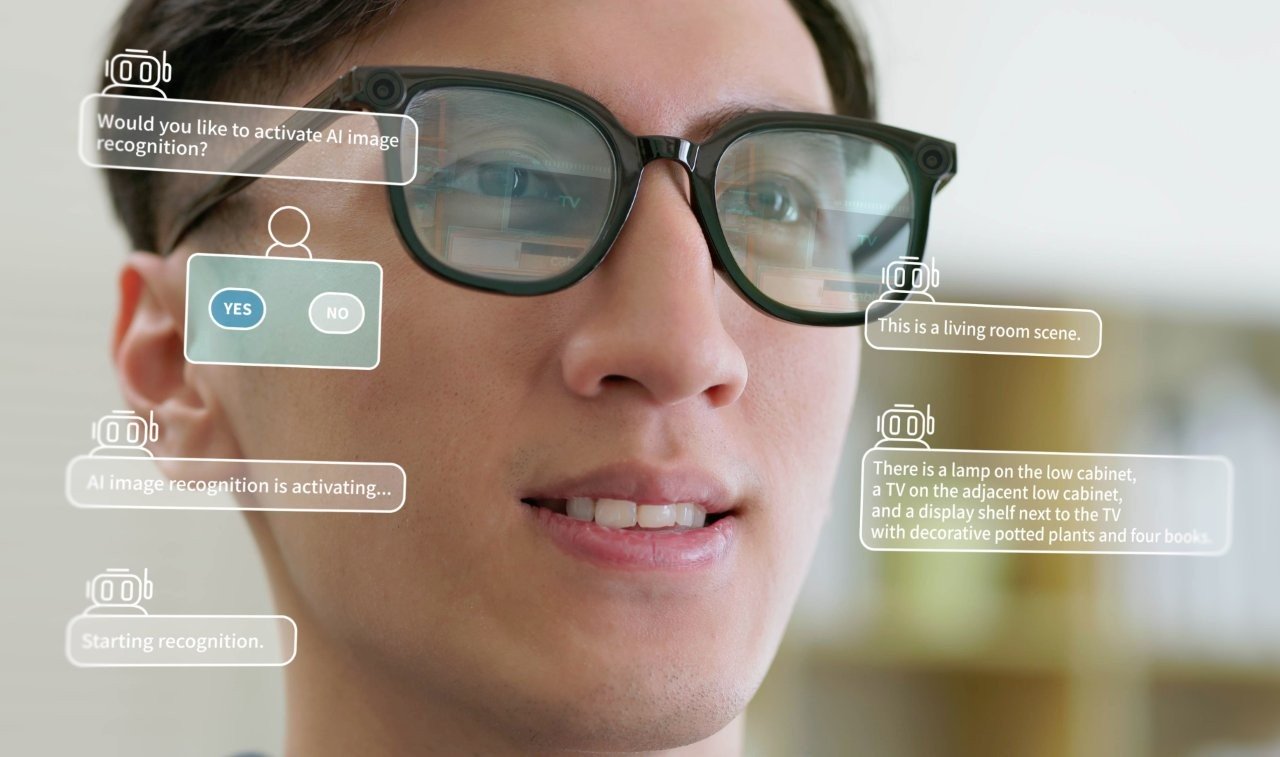
Unlike smartphones, the glasses record video (1080p) and take photos (8-megapixel) from eye level, meaning bystanders may have no idea they are being filmed during normal public interactions.
Parents, principals and teachers have sounded alarms regarding the ease of wearing these glasses into classrooms and school grounds, swimming pools, change rooms, playgrounds where traditional cameras are heavily restricted.
Meta has said it has sold more than seven million of its glasses worldwide, according to Guardian Australia.
Activists and digital rights experts have labelled them “creep goggles” or “pervert glasses” and warn the tech can be weaponised by “social media influencer types” or bad actors to film, harass, or stalk women and children for online clout.
While the Anko glasses feature a small LED light that pulses when recording, tech experts point out that these lights are easy to cover with cheap stickers or tape.

“In school settings, they (smart glasses) have the potential to expand existing forms of gendered harassment by making covert recording and image capture easier and harder to detect,” Monash University’s Dr Stephanie Wescott says.
The glasses pair with a third-party app called ‘HeyCyan’ – and academics from Monash University have questioned where the captured biometric data, audio, and videos are stored, how long they are kept, and whether they are being harvested to train external AI models.
Dr Stephanie Wescott, from Monash’s Faculty of Education, says smart glasses are not simply another piece of consumer technology.
“In school settings, they have the potential to expand existing forms of gendered harassment by making covert recording and image capture easier and harder to detect,” she explains.
“We already know that girls and women experience image-based abuse, sexual harassment and misogynistic behaviour in educational settings.”
Wescott explains that if schools don’t proactively consider how these devices could be misused, they risk creating new opportunities for surveillance, humiliation and abuse that disproportionately affect girls, women and gender-diverse students.
“Schools have spent the past decade responding to smartphones and social media,” she says.
“AI smart glasses represent the next challenge because they blur the line between ordinary eyewear and recording devices.
Waiting until serious incidents occur would be a mistake Wescott says, and schools should now be reviewing policies around privacy, consent, recording, AI-enabled technologies and acceptable device use.
“Just as importantly, they need to educate students about ethical technology use rather than relying solely on bans.
“Policy needs to keep pace with technological change if schools are to remain safe learning environments.”
We consumers tend to think about smart glasses in terms of inter-personal privacy: ‘is someone recording me without my knowledge or permission?’
Tech companies think about these devices differently: they are an infrastructure for capturing more data about us as we move through the course of our day, experts say.
Dr Victoria McArthur, from Monash’s Faculty of Information Technology, says it’s about contextual integrity.
Kmart responded to public backlash and ethical debates about its $89 house brand smart glasses by stating the product complies with mainstream wearable technology categories and expects customers to use them responsibly and respectfully.
“Privacy simply isn’t about whether data is collected; it’s about whether information flows in ways people reasonably expect,” McArthur says.
“Meta’s policies may technically disclose broad uses of data, but they place the burden on individuals to continuously monitor evolving terms, discover new settings, understand interactions between multiple policies, and opt out where possible.”
McArthur suggests there is no single solution because we’re dealing with two separate issues.
“The first is where these devices can be used.
“Australian businesses, schools, healthcare providers and workplaces can already establish clear policies about whether camera glasses are permitted in sensitive spaces, much like many venues have rules around photography or recording.
That gives organisations direct control, McArthur says, over privacy within their own environments.
“The second issue is much harder because it concerns what happens after images or videos are captured.
“How long are they stored? Who can access them? Are they used to train AI systems? Those decisions are largely made by overseas technology companies rather than Australian businesses.
“That’s where Australia’s privacy regulators and legislators have an important role in setting expectations for transparency, consent and accountability, although enforcing those expectations against multinational platforms remains challenging.”
Political activism group GetUp! Australia has launched an urgent petition demanding Kmart Group’s managing director immediately pull the glasses from shelves and the website.
Digital Rights Watch, an organisation whose mission it says ‘is to ensure that Australians are equipped, empowered and enabled to uphold their digital rights’, noted that Australia’s privacy laws are severely lagging behind wearable tech.
The Office of the Australian Information Commissioner (OAIC) confirmed they are aware of the community concerns and are monitoring the rollout of the new technology and Attorney-General Michelle Rowland has written to the commissioner to examine privacy issues raised by the surge in demand for the wearable technology.
Rowland flagged the Federal Government was working on reforms for privacy laws in order to keep up with wearable technology risks.
She said there was significant privacy concern for women and children.
“Privacy is an essential part of all our lives; it allows us to be who we are with dignity and without fear,” she said.
A spokesperson for Kmart defended the product, stating that camera glasses are an established, mainstream category.
They there are similar products to the Anko glasses available globally from major technology and eyewear brands.
“As with any device capable of recording images, we expect customers to use the product responsibly, respectfully and in accordance with applicable laws and community expectations around privacy,” the spokesperson said.