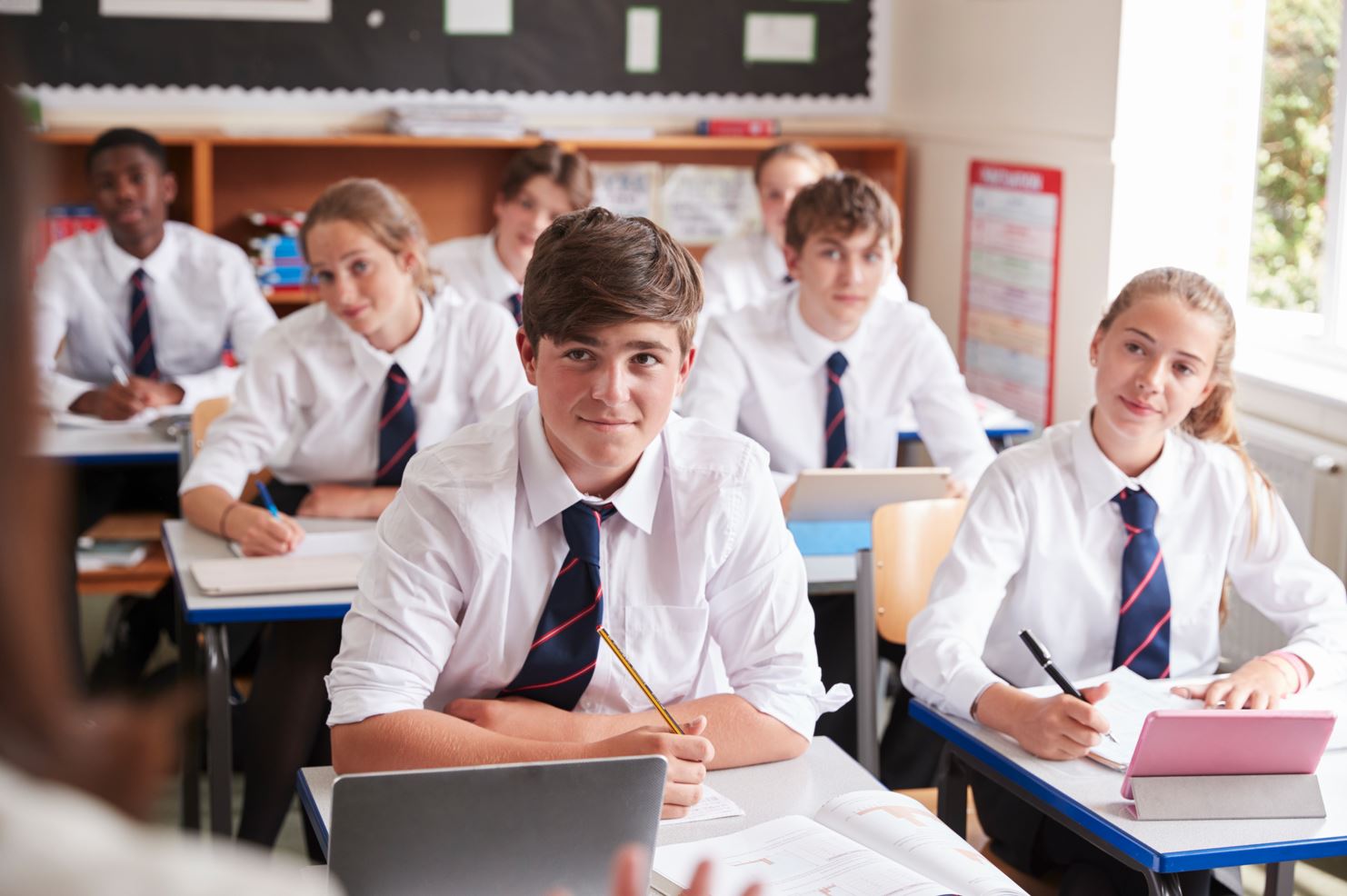
The new OECD report, titled How well prepared are upper secondary students to succeed in tertiary education?, cites the latest PISA data from 2022, and shows that nearly 39 per cent of 15-year-old students do not know what career they want to pursue – a level of uncertainty that has risen sharply from just 11 per cent in 2006 and 17 per cent in 2015.
Will Stubley, CEO and founder of Year13, an Australia-founded international digital education and career platform, says the longitudinal data reinforces his organisation’s own research.
“The problem statement we deal with is essentially young people’s expectations of life after school, and there’s an increasingly wide gap between what they’re prepared for and what their expectations are,” Stubley tells EducationHQ.
“And with the changing world of work, what that shows is that their confidence around what they want to do is reducing and confusion is going up.
“It’s a big issue that needs to be addressed,” he says.
The report says that even among those who do have a plan, there can be a significant gap between the level of qualification required for their chosen field and the educational goals they set for themselves.
One in five students wanted a career that requires tertiary education but did not plan to continue their studies beyond secondary school in 2022.
Such mismatches can lead to poor study choices, subsequent re-orientation and, in some cases, students dropping out early from tertiary education.
In Australia, 48 per cent of new entrants complete their bachelor’s degree within the expected duration of the program, which is higher than the OECD average of 43 per cent.
This figure rises to 58 per cent after one year, and 67 per cent three years after the expected end date. This slightly trails the OECD average, but is significantly lower than many countries, including Ireland, the UK, Turkiye, Denmark, Norway and Finland.
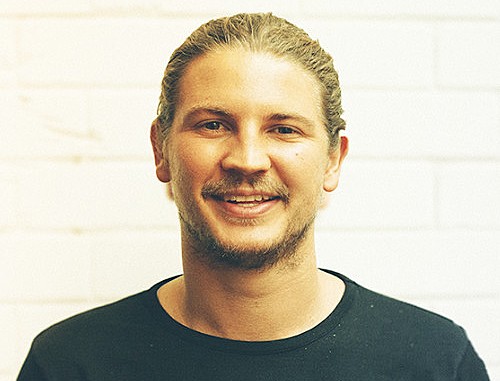
“We see the pathways into higher education are becoming more diverse and less linear for young people,” Will Stubley says. “What matters now is whether they have access to the right support and opportunities along the way.”
The report says improving completion rates in tertiary education is not only about what happens within institutions, but also the choices students make before entering them.
Effective career guidance in upper secondary education clearly plays a crucial role here.
“Both in higher ed and vocational, we’re seeing larger than acceptable dropout rates, and so really that shows that it [career guidance] is worthwhile, not only from the student point of view, but also from the tertiary providers, and then you get into industry and government.
“The more that you can help them make a more prepared decision the better,” Stubley says.
The Australian education system remains designed to optimise students' ATAR results, he adds.
“So they’re optimising for their number and not optimising for the occupation and all of their pathways,” Stubley says.
“We’ve got other stats, like, 81 per cent of ATAR takers say it isn’t a good measurement of their skills, strengths and abilities.
“So you’ve got a mismatch in the current way that young people have been prepared for life after school and the realities of life after school.”
Stubley says his platform is in a fortunate position where its focus is solely on its core objective – to optimise a student’s prep for life after school and make sure they’ve considered all core attributes to ensure that is what they do.
“We solve that by being very deliberate about ‘who are you?’ and ‘who do you want to be?’ and then let’s optimise your pathway of getting there.”
Stubley says Year13’s data shows that 72 per cent of students are wanting to go to university, but within that, 34 per cent don’t know if it’s right for them.

In April Year13 launched Anyway, an AI-powered career coach designed to deliver personalised career guidance at scale.
“So the risk is actually baked into the data, the churn rates are within what we see as risk, within the risk profile.
“So in those students that have plans, there can be a real gap between what’s required for their chosen field and the goals that they set for themselves.”
It seems we have much to learn from overseas.
In the Flemish Community of Belgium, for example, the Columbus tool helps upper secondary school students identify the tertiary education programs that suit them best, based on an assessment of their skills and preferences.
In Singapore, students aged 13 and above follow a structured career guidance program that includes mentoring, professional meetings, and work experience projects.
Stubley says he’s naturally a big advocate for more funding and more focus in this area.
“The reality is all of this stuff is happening in Australia, but it is probably more in an unstructured way, so for me, it’s probably more about providing some formalised structure, whether it’s retraining, tooling, standards, expectations, those sorts of things.”
Given the rapidly changing nature of work and the workplace, he says it's crazy that direct action is not being taken.
“I think it’s always been important, but it’s probably the most important time right now that we started doing this – whether it be government or private enterprise – everyone should be stepping forward and saying, ‘look, this is important, let’s do something about it’.”
Thankfully, many of the largest industry bodies and employers in the country agree and are happy to invest, support, and do whatever it takes to improve the school to work transition, Stubley shares.
“We’re already working with multiple state governments in Australia,” he says.
“There’s strong momentum already, it’s probably a matter of time, but whether it’s us, whether it’s someone else, whether it’s a coalition of like-minded companies that are coming to solve this, I don’t mind, but clearly the problem needs to be solved. We’ll do everything we can to help solve it.”
On average across OECD countries, 15-year-old students in socioeconomically disadvantaged schools have far fewer opportunities to speak with a specialist about their academic and professional future.
In Australia, 82 per cent of advantaged schools provide one or more dedicated career guidance counsellors, that drops to 67 per cent for disadvantaged schools.
Year13’s platform Anyway could revolutionise how young people plan their career and significantly address this gap.
It utilises AI technology to act as a digital mentor, a career coach of sorts, that draws on students’ interests, values and progress to deliver tailored advice, surface relevant learning experiences and drive more considered decision making.
“Everyone needs access to good careers advice and there’s two levers we can pull.
“We can ramp up more humans to assist with that. And I think everyone would want to play that card.
“It’s such a human thing to sit with a young person and ask ‘how can we help? What struggles are you going through?’ But there’s already teacher shortages and the economics are going to challenge that option.”
Stubley suggests the other thing that we have is technology, and he doesn’t think they are mutually exclusive.
He insists it’s not about technology versus humans – “that’s the wrong way to think about it,” he says.
“It’s going like, well, how far can we get with our current resourcing and how far can we push the people that hold the purse strings to give funding?
“But if we can lean into technology and make sure at least students have something, and then complement that with the teachers and humans around them, that’s a way forward.”