

Young people who spend two hours or more a day on social media are more likely to experience depressive symptoms and poorer wellbeing than those whose use is limited to an hour or less, the research found.
Six months into Australia’s social media ban for under 16s, the decade-long study led by Murdoch Children’s Research Institute (MCRI), which included 1200 children from Melbourne, has found the strongest impact on mental health among girls aged 12-13.
Yet small but noticeable increases in mental health problems were seen in both genders between the ages of 12 and 18.
Although this increase in risk was small, the study authors say it could affect significant numbers of young people at the population level.
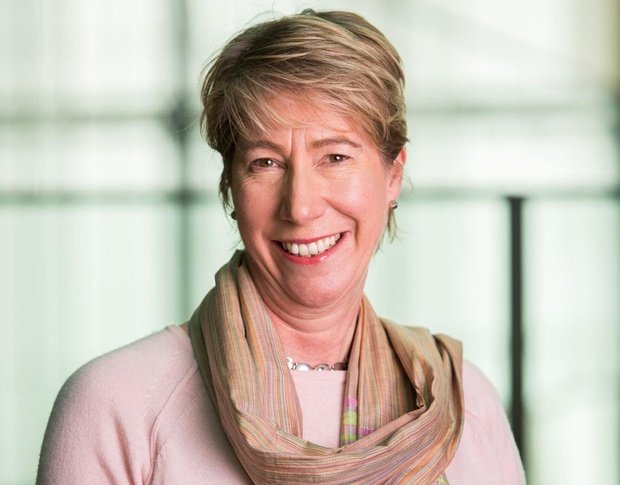
Professor Susan Sawyer told a news briefing on Wednesday that with research suggesting much greater harms in younger adolescents, thought should be given to the ban being adjusted.
Sawyer is director of the Centre for Adolescent Health at the Royal Children’s Hospital and MCRI and chair of Adolescent Health at The University of Melbourne, and said it’s very hard to take something like social media away from kids who have already got access to it, particularly in terms of their patterns of communication with friends.
Parents typically are holding the purse strings in relation to children’s access firstly to a mobile phone, she shared, and then supporting their access to social media.
“The platforms themselves are not recommending that under 13-year-olds should be accessing social media,” Sawyer said.
“Yes, there’s the social media legislation, yes, we know that the E-Safety Commission is needing to work harder with companies in relationship to children’s persisting access, but in addition to building digital literacy and the role of parents, not just schools for that, this study is really asking some questions about, ‘well, what is the right age for kids to access social media in the first place?’
“And it would certainly be suggesting that perhaps it’s older than what has historically been the social norm”.
The research also found that effects persisted into middle and later adolescence, highlighting the need for continued supports, and with a roughly similar pattern of risk for males and females.

The research found young people who spend two hours or more a day on social media are more likely to experience depressive symptoms and poorer wellbeing than those whose use is limited to an hour or less.
Social media use among young people has become one of the most debated public health issues of the past decade, Dr Nandi Vijayakumar, a senior research fellow at the Centre for Adolescent Health at the Murdoch Children’s Research Institute (MCRI), told delegates.
However, there’s been surprisingly little research into whether the effects of social media vary across age or during adolescence, and as a result, we still know relatively little about whether some age periods may represent windows of greater sensitivity to the potential harms of social media.
The research found that over two hours of social media use compared to lower levels of use is associated with increased risk for depression and poor wellbeing, particularly in early adolescence.
The findings suggest interventions in early adolescence may be the most effective way of preventing mental health problems from developing.
“This is the period when young people first start using social media typically and learning how to navigate online interactions, but it’s also the period of rapid brain development and important social changes,” Vijayakumar says.
“Young people become increasingly sensitive to peer approval and social feedback and exclusion, while parts of the brain that are responsible for emotion regulation are still maturing.
“So early adolescence may be less equipped to manage some of the more challenging aspects of social media, such as social comparisons, cyberbullying, online conflict, and exposure to harmful content.”
Vijayakumar says the study provides support for policies and interventions that seek to reduce social media use in young people.
“But at the same time, a risk persists beyond early adolescence, and age-based restrictions alone might not be sufficient and should be complemented with broader measures that support older adolescents, including greater accountability for platform features and algorithms that promote compulsive engagement and exposure to harmful content.”
“As well, [we need to be] thinking about efforts to improve digital literacy and digital wellbeing through schools and supporting parents to encourage healthy online habits and set boundaries for online engagement.”
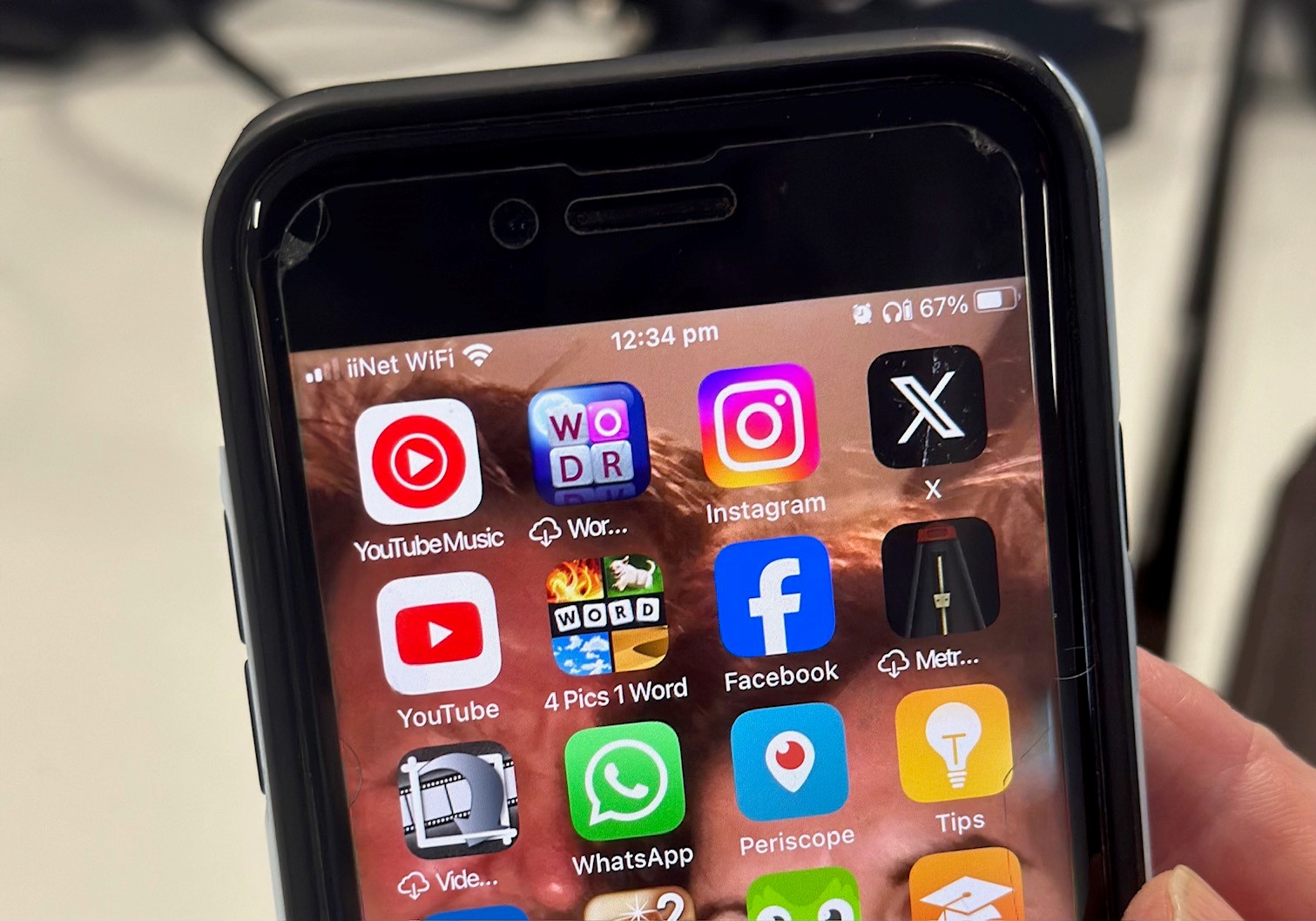
Age-based restrictions alone might not be sufficient to reduce social media use in young people and should be complemented with broader measures that support older adolescents, including greater accountability for platform features and algorithms that promote compulsive engagement and exposure to harmful content, researchers say.
In terms of how the risk of social media use compares with the increased risk associated with other factors, such as poverty, family problems and so on, Sawyer says that from a public health perspective, some might have smaller effects but impact a larger cohort.
“Social media falls into [this] category,” Sawyer says.
“Ultimately, improving adolescent mental health is going to require action across multiple domains, including poverty reduction, education, family supports, and the online environment also represents an important aspect of it within the current social context that adolescents are growing up in.”
Vijayakumar says one of the most surprising findings was the differences in risk between males and females.
“When we look at relative risk, higher levels of social media use were sometimes associated with greater relative risk in males compared to females,” she shares.
“But then when we looked at the absolute number of people that were affected by high levels of social media use, we have to also consider that mental health problems are so much more prevalent in young females, 12-13 years old, than males – and so the absolute number of females that are impacted is greater than males.”
Vijayakumar suggests the reason could be a combination of biological development and social development.
“So females or girls that age go through puberty earlier than boys.
“We know that pubertal changes lead to a lot of biological shifts, including within the brain - so pubertal hormones are driving some of the brain development.
“That brain development often leads to earlier maturation of brain systems that support social and emotional functioning, things like making girls more sensitive to peer approval and social feedback, at a time when their emotion regulation systems are not quite as mature.
“Males sometimes go through those changes a couple of years later than females because puberty occurs slightly later in males.”
In Australia, this debate culminated in legislation restricting social media for those under 16 and discussions about enforcing similar age-based restrictions are now occurring in many countries, reflecting growing global concern about the effects of social media on young people’s mental health and wellbeing.
Sawyer is keen to emphasise that the study’s findings only speak to one aspect of the global picture.
“If you’re an LGBTIQ+ young person, yes, you could perhaps find your tribe online if you’re in a rural, isolated Australian community, but you might also then be much more exposed to cyberbullying, trolling, pretty harmful content.
“And we also know that LGBTIQ+ kids have a higher prevalence of poor mental health, that there might be complex interactions that we haven’t yet understood
“It’s actually much more complex than simply appreciating that some young people might have benefits.
“We know that for many young people it’s a form of recreation, it’s fun.
“It is really thinking about balance here. But certainly our findings are suggesting that there are significant harms for younger adolescents in particular, that I think it really suggests we do need to think pretty seriously about.”
Sawyer says in terms of public health policy, even stretching back to the 1970s with Australia being the very first country to introduce mandatory safety belt legislation, we have often been ahead of other countries. She’d like to see that continue.
“Given the extent of mental health concerns in young Australians, and we in Australia and in New Zealand as well have some of the highest prevalence of mental disorders in young people anywhere in the world, I think it’s really important that we are prepared to think very laterally about [possible] interventions and are prepared to test them,” Sawyer says.