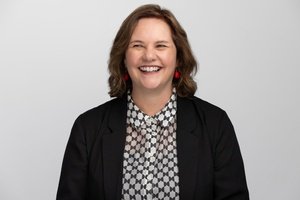


For years now gifted education expert Dr Jae Jung has been calling for change, warning hundreds of thousands of gifted and talented children are languishing in classrooms around the country.
Other experts have also sounded the alarm, saying swathes of students continue to fall short of reaching their potential because the school system fails to cater for their unique learning needs.
Jung, from UNSW Sydney, has argued that while much attention has rightly been directed at struggling students and those with learning disabilities at the policy and school level, high-ability children have largely fallen through the cracks – and with devastating consequences for some.
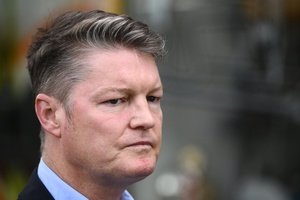
But the recent announcement by Victorian Minister for Education Ben Carroll that some $75.1 million will be ploughed into providing free enrichment and extension opportunities for the state’s brightest students is at least ‘a good start’ and a sign that governments are beginning to wake up to the situation, Jung suggests.
The funding will open up 75,000 places in the Victorian Challenge and Enrichment Series for Prep to Year 10 students, and up to 48,000 places in the Victorian High Ability Program for Years 5- 8 over the next four years. Specialised maths camps will also run this year.
Jung says while the investment is indeed a positive one, there is much more that gifted students need to thrive in their education – such as ability grouping and acceleration classes. At the system level, they should have the opportunity to attend a select-entry school, he adds.
The investment in learning enrichment and external extension offerings don’t go far enough, Jung asserts.
“As a professor of gifted education, I can tell you that there are a number of other provisions that need to be made available to gifted students. For example, ability grouping, so grouping gifted students together.
“…the funding also does not appear to cover things like acceleration. Acceleration and ability grouping are appropriate and useful for the most brightest students, the most gifted, [those] with the greatest potential.
“Enrichment and extension, they’re fine for the more moderately gifted students only.
“So, it’s a pity that the funding does not address or acknowledge all of possible [and] appropriate provisions for gifted students.”
Yet research from 2024 found gifted students are also seemingly getting a raw deal when it comes to acceleration programs in schools, finding children withdrawn from class are handed generic worksheets and face disinterest from their core teachers and classmates.
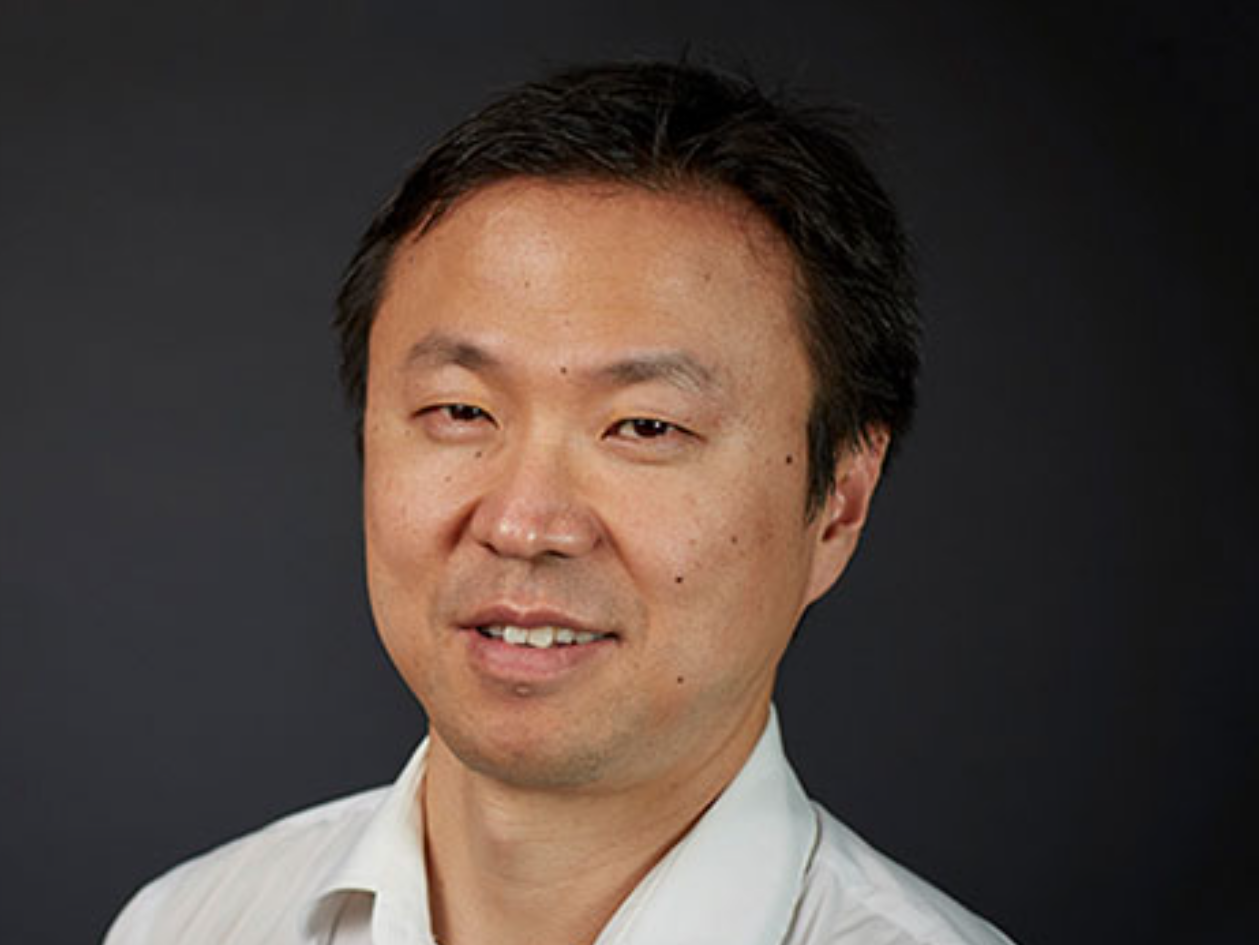
Dr Jae Jung would like to see more selective schools open in Victoria.
Another issue is the Government’s sole focus is on boosting ‘part-time provisions’, Jung says. Students are not gifted on a part-time basis, he points out.
“The funding goes toward after-school activities or students get selected for like a five-day program or a two-week program.
“Gifted and high potential students, they’re not gifted high potential for only a certain length of time a year – they’re full-time gifted, high potential students.
“It’s unfortunate that this is not really being addressed by the funding. But you’ve got to start somewhere…”
Encouragingly, Jung says Victoria has opted to follow NSW’s lead in its effort to bolster gifted education across public schools. He hopes other states and territories will sit up and take notice.
“It shouldn’t all be left to the states either,” he adds.
“I’m hopeful that the Federal Department of Education will take notice.”
Jung would also like to see more selective schools open in Victoria.
With just four currently in operation, the competition for entry “must be huge”, he says.
“It must be very difficult to enter these schools. There may be lots more high ability, gifted students in Victoria that would benefit from these schools that are not getting access because of the very small numbers.
“So, I think the Victorian education department should consider opening a greater number of selective schools. I don’t think it should be restricted to the public system either.
“There’s nothing stopping the Catholic sector or the independent sector from opening selective schools.”
Yet just last year it was reported that NSW’s selective schooling system had ‘distorted’ public education in the state, with highly coveted schools only accessible to the advantaged.
ABC News analysis found that in 2024, just two per cent of students in most of NSW’s 21 fully selective schools came from the lowest educationally advantaged group.
The state has an additional 27 partially-selective schools, together tallying far more than any other jurisdiction.
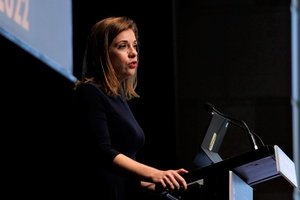
“These are public schools, but they’re so inaccessible,” UTS’s associate professor Christina Ho, who has undertaken years of research into the selective system, said at the time.
“…they’re very much dominated by students from very advantaged backgrounds, which does not fit with their design as public schools.
“They’re supposed to be available to really anyone, regardless of your family background.”
Ho said the scene had increasingly “gone awry” over the past few decades, with NSW now an outlier on the national stage when it comes to segregation within public schooling.
A kind of obsession has taken hold, Ho reported, where many parents’ desire to ensure their child gets admitted to a selective school sees them throw everything at securing a spot.
Carroll said the new funding will extend the learning of all students across Victoria.
“Victoria is ‘The Education State’ because every student – regardless of their postcode or background – can reach their full potential.
“We have bright and aspirational students in every corner of this state — this investment makes sure they get the free opportunities they deserve to extend their learning.”
“While the Liberals cut and walk away, Labor invests in every Victorian school.”