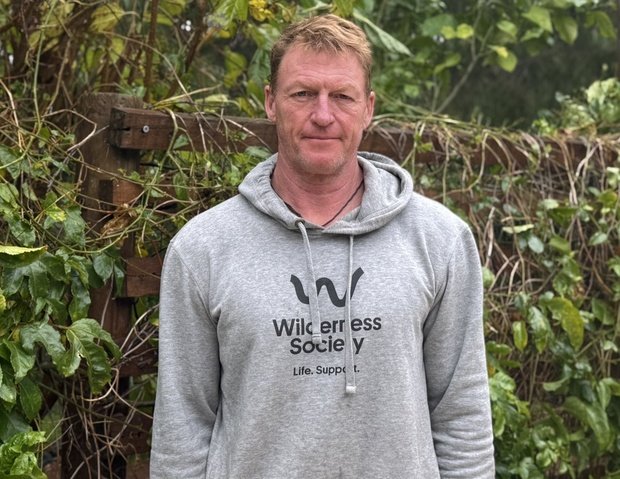
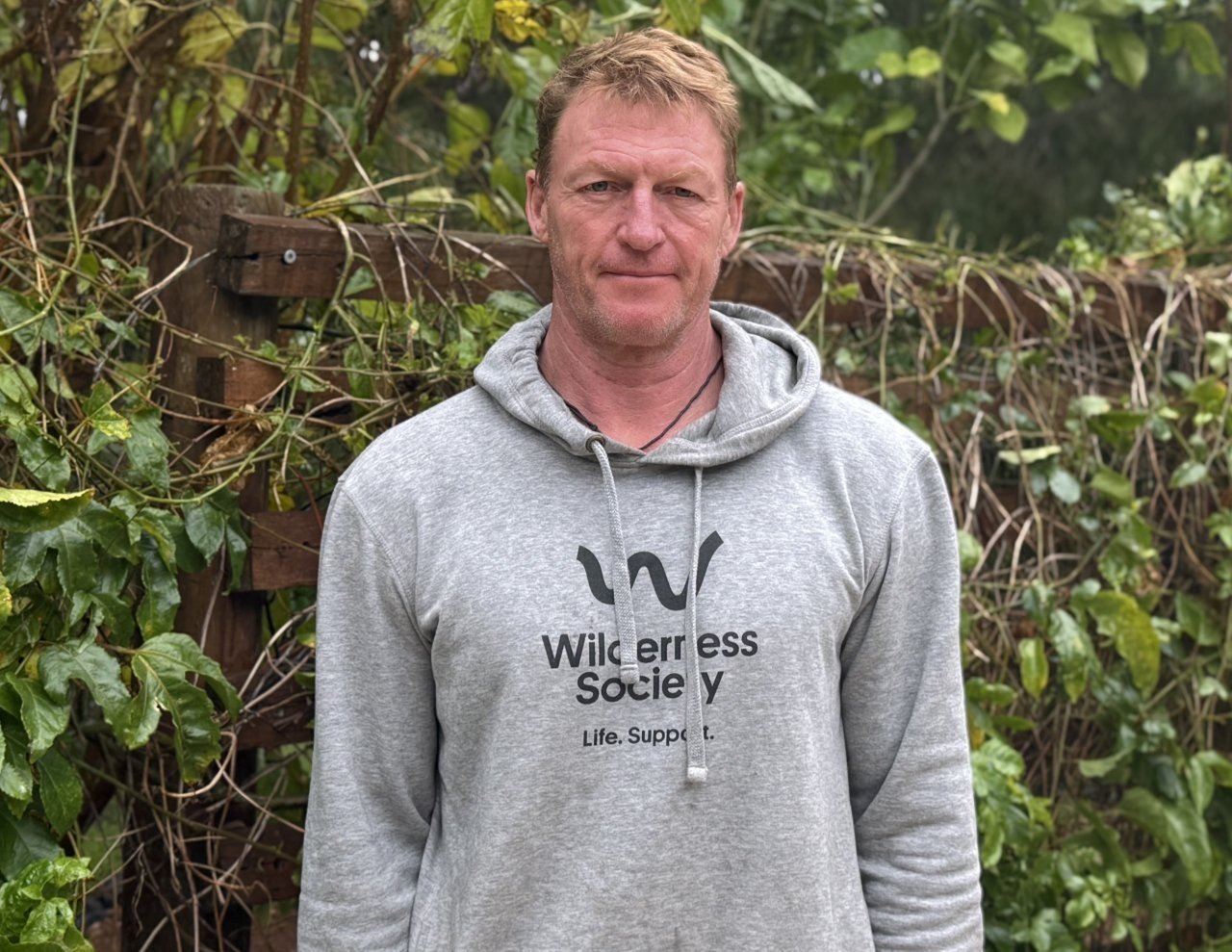
Taking young people outside for a litter clean-up and auditing their haul is far more effective, he says.
“Kids would come up to me and say, ‘I used to go to the beach and leave my rubbish in the bushes but I’d never do that now’,” Holt says.
He believes the same applies to all values-learning and it partly inspired his work in project-based sustainability learning with Western Australian schools.
Based on a United Nations-led sustainable education program, Holt would engage local environmental groups and Traditional Custodians for outdoor, hands-on activities – beach clean-ups, erosion management, cultural learning days – and take small groups of children into the field.
“That’s where the real learning starts,” he says.
It’s a model that safely introduces students to emotionally-challenging topics around biodiversity loss and climate change, leaving them empowered to take action on a manageable, local scale.
But in WA, it’s not taken off.
The former teacher and member of Teachers for Climate Australia says climate education is lacking, patchy and addressed with euphemisms that water down prickly concepts.
Sustainability is integrated into Australia’s national curriculum as a mandatory priority but exactly how challenging topics such as climate change are blended into lessons differs in each state and classroom.
It tends to fall to time-pressed teachers delving into the complicated, emotionally-charged material with minimal guidance or support.
Unsurprisingly, many steer clear or stay very high-level.
In the absence of comprehensive education delivered in developmentally-safe and empowering ways, Mr Holt worries that young people can learn about global warming online and via media and word-of-mouth, which has the potential to be harmful.
Rates of climate distress among the young are elevated and rising.
International surveying published in The Lancet suggests about 60 per cent of them report feeling worried about climate change, with a 2022 Mission Australia questionnaire pointing to more than a quarter of young Australians feeling extremely or very concerned.
Research also indicates there are multiple pathways to eco-distress, including direct – exposure to flood or fire – and indirect – from news and other information sources – and that a perceived failure by leaders to act proportionately to the scale of the issue is a common trigger.
Cybele Dey, a child and adolescent psychiatrist and researcher at UNSW, says the classroom can be a safe and supportive place to learn about climate change provided teachers have the know-how.
Educators are left to address climate change in an ad hoc manner, she tells AAP, and often feel ill-equipped to handle the emotional and psychological aspects.
While some organisations and government bodies are starting to do more to support teachers, educators broadly still need more guidance to teach climate change effectively.
Research is ongoing into the best ways to manage eco-distress in classrooms but Dey says educating in nature and giving students space to express their feelings are already well-supported by evidence as beneficial.
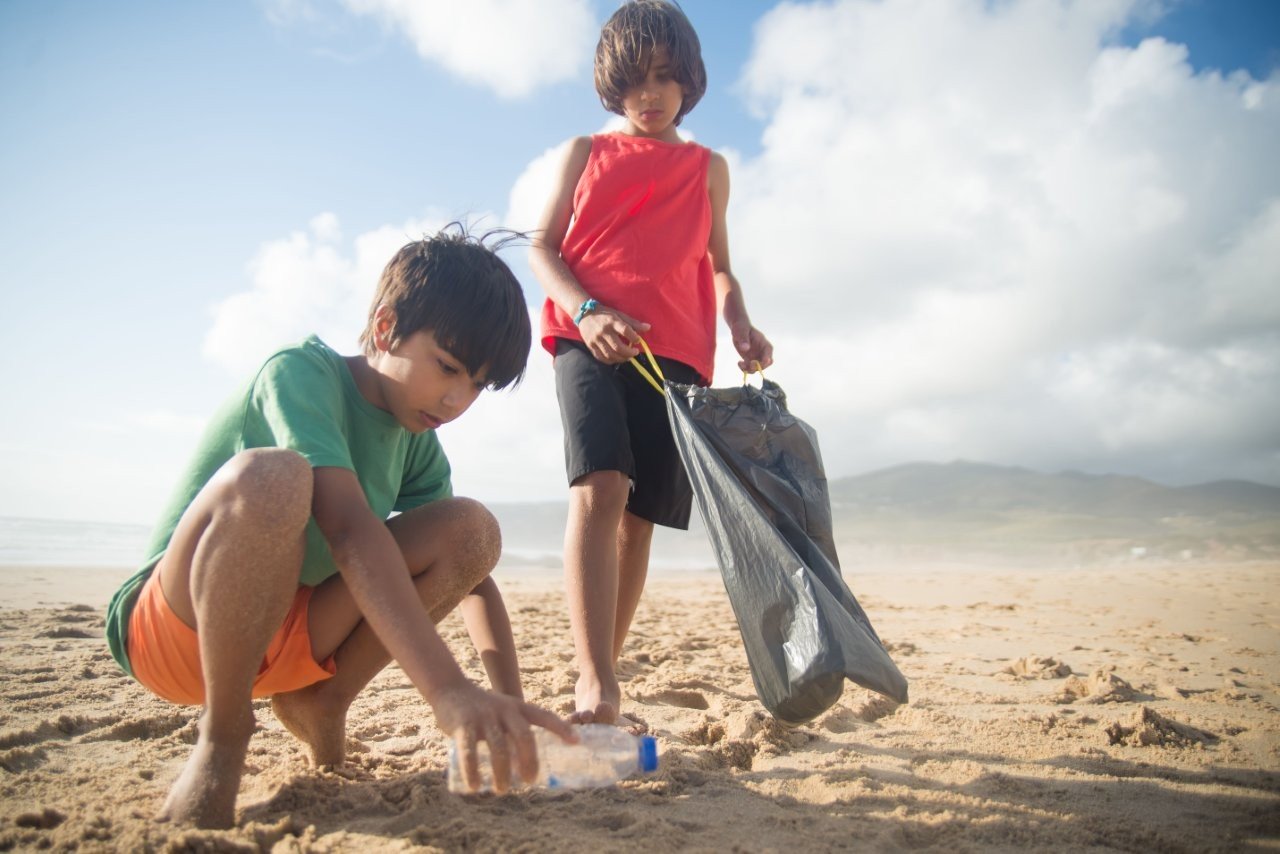
Engaging local environmental groups and Traditional Custodians to take small groups of children into nature for beach clean-ups, erosion management, cultural learning days is where the real learning starts according to retired teacher Geoffrey Holt.
She is also certain children are only likely to feel worse if their fears and concerns are met with “we don’t talk about that here”.
The Institute of Public Affairs has been pushing for less climate education in schools and maintains children are being exposed to alarming material they are not ready for, and in a way that positions them to solve problems outside their control.
A May 2026 report from the conservative think tank says climate anxiety is being affirmed and encouraged by mental health professionals rather than addressed with established treatment for diagnosed anxiety disorders, such as Cognitive Behavioural Therapy.
Its position has been challenged in an open letter signed by a host of climate groups as well as child and mental health organisations with no environmental affiliation, including the Black Dog Institute, Royal Australian and New Zealand College of Psychiatrists, Royal Australasian College of Physicians and Australian Association of Adolescent Health.
Dey says neither mental health professionals nor teachers should be encouraged to pathologise negative emotions about climate change.
Indeed, the field has steered away from “climate anxiety” in favour of “climate distress” terminology to better encapsulate the full spectrum of valid emotions felt in response to a real and serious issue.
Anxiety disorders, by contrast, typically involve disproportionate responses to threats, such as acute fear of the dark.
“It’s not inherently pathological to be worried about a real threat,” Dey says.
“It’s really more akin to things like adjusting to chronic illness, where there’s a real problem that you have to learn to live with.”
Jana Menssink, project co-ordinator at The University of Melbourne’s Youth Mental Health Centre, says climate information, like any heavy subject, should be delivered in developmentally-safe ways.
“No subject matter is too early or too soon for us to teach a child about, as long as it’s developmentally appropriate,” she says.
“Parents and teachers can be really scared to talk about death but then a student’s cat dies, you’ve got to try to figure out a developmentally-appropriate way to support the young person through that transition.”
Similarly, age matters when it comes discussions about climate action to avoid foisting too much responsibility on young shoulders, with earlier primary best kept to learning about nature and littering, for example, and opportunities for involvement gradually levelled up.
Context also helps children manage feelings of guilt, she says, including avoiding over-inflating individual impact when corporations are the biggest emitters of greenhouse gasses.
AAP