With World Environment Day coming up on June 5, more than 300 climate and mental health researchers, psychologists, psychiatrists, educators and community leaders have signed the letter.
Young Australians are already experiencing more frequent and severe storms, droughts, floods and fires, and will continue to do so in the decades ahead. They absorb information about climate change through social media, news, family conversations and their own lived experience of disasters.
Experts says schools offer a valuable opportunity to ground that information in facts, build emotional resilience, and provide constructive pathways forward.
Dr Cybele Dey, a child and adolescent psychiatrist who’s also a researcher at UNSW Sydney, says her patients are suffering.
“Many are distressed by what is happening in the world they are growing up in. They have watched their towns flood. They have stayed home from school because the air was dangerous to breathe,” Dey says.
The chair of mental health interest group, Doctors for the Environment Australia, says this is not distress about an abstract future, this is the physiological and psychological reality of a warming world, showing up in our hospitals right now.
“A child who understands, in simple terms, that carbon locked underground for millions of years is now being released into the atmosphere, changing the chemistry of how our planet holds heat, has a framework for understanding why summers are hotter, why there are more extreme weather days, and why humans acting on the science can improve the future,” Dey shares.
“That understanding is not the source of despair. The absence of understanding appropriate to the child’s development, of trusted adults listening non-judgementally and the failure of leaders to act on it, are.”
Peer-reviewed research by Dey and colleagues at UNSW, Sydney, the University of Sydney and the University of Queensland has found that hotter temperatures are linked with increased emergency department presentations for suicidal thoughts and behaviour in children and young people across NSW, with effects seen even with mild hot weather, and far worse with the extreme heat we are now seeing more often.
This research, they say, shows that climate change is not an abstract future concern for children, it is a present, physical reality showing up in our hospitals.
In December last year, speaking about a report produced by the Institute of Public Affairs titled Climate of Fear: How the National Curriculum Drives Climate Anxiety Among Children, director of the IPA’s Schools Program, Colleen Harkin, told EducationHQ that it is irrefutable that the National Curriculum has been designed to sow fear into the minds of children.

Psychologist and adjunct fellow at the IPA, Claire Rowe, says teachers are not equipping children to attempt to solve climate change-related problems when they grow up. “They’re actually paralysed with anxiety, they don’t think they have a future,” she says.
“We are creating a generation of Australians who are both academically underprepared and psychologically burdened by climate activism,” she claimed.
Harkin’s IPA colleague, educational psychologist and adjunct fellow at the IPA, Clare Rowe, who has long campaigned that the way climate change is taught is schools is leading directly to childhood climate anxiety, said what the report clearly shows is that climate content is not being taught in small doses, nor in an age-appropriate way.
“It is embedded across the curriculum – in art, humanities, English, even into early literacy tasks – and much of the third-party material used by teachers is explicitly alarmist,” Rowe said.
“We delay teaching children about war, terrorism, cancer, or adult political issues for a reason.
“We have guidelines for everything else – screen time, online safety, playground equipment, explicit content – yet we have no guardrails around the emotional impact of climate education on young minds.”
Former federal MP and educational and developmental psychologist, Dr Fiona Martin, says the scientific evidence on the mental health impacts of climate change on adolescents is unambiguous.
“Anxiety in children often stems from a sense of powerlessness when facing a complex reality without adequate support,” she shares.
“Children are not made more anxious by understanding the science, they are made more anxious by experiencing the reality of climate change without the support and tools to process it.
“Health professionals see this in their practices. The answer is better support and better education, not less of either.”
A systematic review of 1953 peer-reviewed publications found 20 school-based programs addressing climate change and mental health, co-authored by Dey and a team including First Nations Elders, found no evidence that climate education causes adverse mental health outcomes.
Studies showed either no change or improvement.
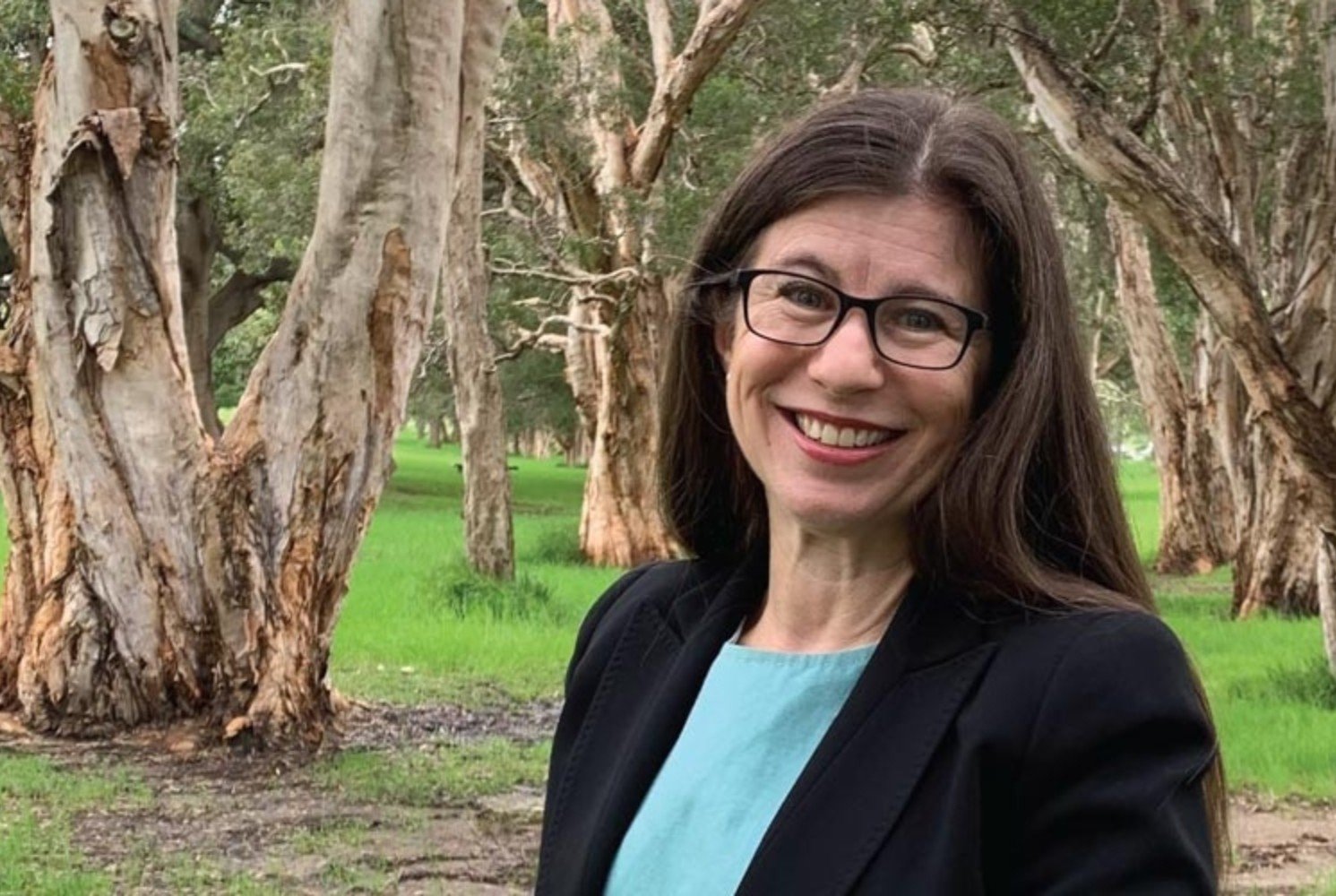
“The understanding [of climate change and its causes] is not the source of despair. The absence of understanding appropriate to the child’s development, of trusted adults listening non-judgementally and the failure of leaders to act on it, are,” Dr Cybele Dey says.
Programs connecting students to nature, embedding First Nations cultural knowledge, supporting meaning-based coping, and running over longer periods produced the best outcomes, they found.
Georgia Monaghan, co-founder of Australia’s leading youth climate mental health and wellbeing charity Ecomind, says every week her organisation hears from young Australians who are already living with the reality of climate change; the smoke days, the floods, the creeping sense that the world their parents grew up in is changing beneath their feet.
“What they are asking for, consistently and clearly, is not silence. They want honest information, trusted adults who will take their concerns seriously, and the tools to channel what they feel into something meaningful.
“Accurate, developmentally appropriate and psychologically safe climate education is not the problem – it is part of the solution.
“What leaves young people most vulnerable is not knowing why, and feeling alone with it.”
The Climate Media Centre (CMC), an independent strategic communications hub, says research shows that climate distress in young people is not caused by school lessons but it is a rational response to a real and worsening crisis.
Climate distress is not a diagnosable anxiety disorder, according to the CMC, it is what happens when empathetic young people absorb the reality around them without the frameworks, trusted adults or tools to process it.
When young Australians from every state and territory were asked what they wanted for their future, they asked for more, not less, climate education that tells the truth and equips them to act.
Sunny Nguyen, a 24-year-old research assistant on sustainable healthcare at the Melbourne School of Population and Global Health, says he grew up watching heatwave and bushfire warnings every summer, and the skies getting polluted as he took the bus to school.
“Imagine growing up with all of that, and then be told it’ll only get worse,” he says.
“What is important is getting the message out there on why this is happening, and what we can do about it.
“Climate education doesn’t make us more fearful or worried. It gives us somewhere to put what we were already feeling.”
Mum of two Laura Billings, says for parents across Australia, climate change is not an abstract topic on a school curriculum, it is already showing up in our children’s lives.
“It is the smokey day when they can’t go outside, the questions about why koalas are disappearing, the anxiety they carry that they don’t yet have words for,” the senior campaigner at Parents for Climate says.
“Parents for Climate hears from thousands of families who know their kids are already absorbing this reality.
“What they are asking for is not silence, they are asking for help making sense of it.”
Billings says shutting down that conversation does not protect children, it leaves them alone with something they can already feel.
“Age-appropriate climate education creates the space for children to feel heard and understood, to know they are not alone, and to see that adults are working on solutions alongside them,” she says.
“That is what prepares children for the world they are growing up in, not avoidance, but honest, caring, empowering education.”