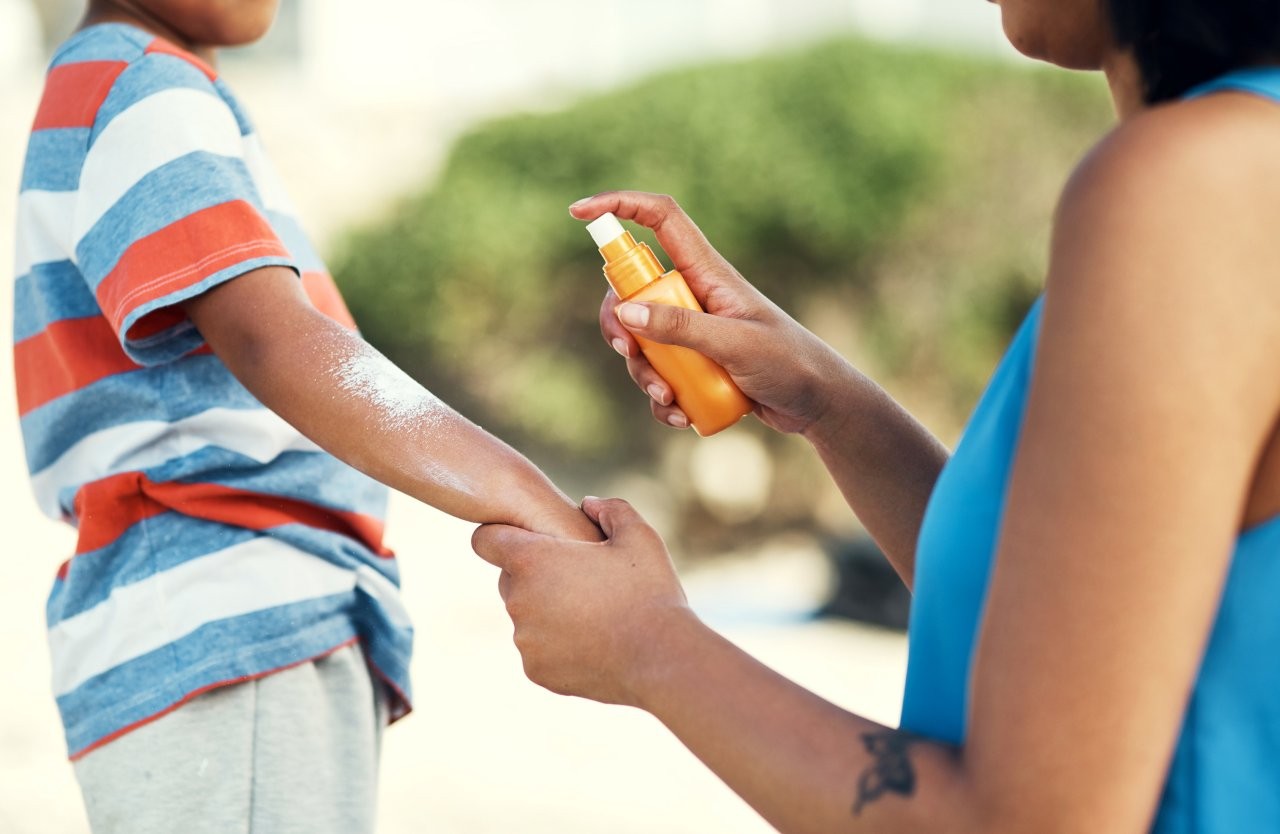
Queensland Parliament Petition 4642-26, “Keep Sunscreen Chemicals Banned Overseas Out of Queensland Schools, Great Barrier Reef and Worksites,” has reached 1386 signatures as of September 2, with the petition remaining open until November 9, 2026.
Principal petitioner Joseph Mizikovsky, of the Australian Sunscreen Council, says the level of public support showed that sunscreen ingredient safety was no longer a niche issue.
“Queenslanders have backed a very simple proposition: chemicals that have been banned or significantly restricted overseas should not automatically be purchased with taxpayer money for use on Queensland children and workers.”
“This is not an anti-sunscreen campaign. We want Queenslanders protecting themselves from UV exposure.
“The question is why schools and government workplaces should be supplied products containing ingredients facing serious regulatory restrictions overseas when alternatives are readily available.”
The petition asks the Queensland Government to review its sunscreen procurement policy with a view to ensuring products purchased do not contain the chemical UV filters 4-Methylbenzylidene Camphor (4-MBC), Homosalate or Oxybenzone.
It does not seek to prohibit Queensland adults from purchasing sunscreen products containing those ingredients and does not seek to discourage sunscreen use.
One of the three ingredients at the centre of the petition, 4-Methylbenzylidene Camphor, or 4-MBC, is now prohibited in cosmetic products in the European Union.
The European Commission prohibited 4-MBC following an assessment by its Scientific Committee on Consumer Safety, which found sufficient evidence that the substance may act as an endocrine disruptor, with effects involving the thyroid and estrogen systems, and concluded that it was not possible to derive a maximum concentration for safe use.
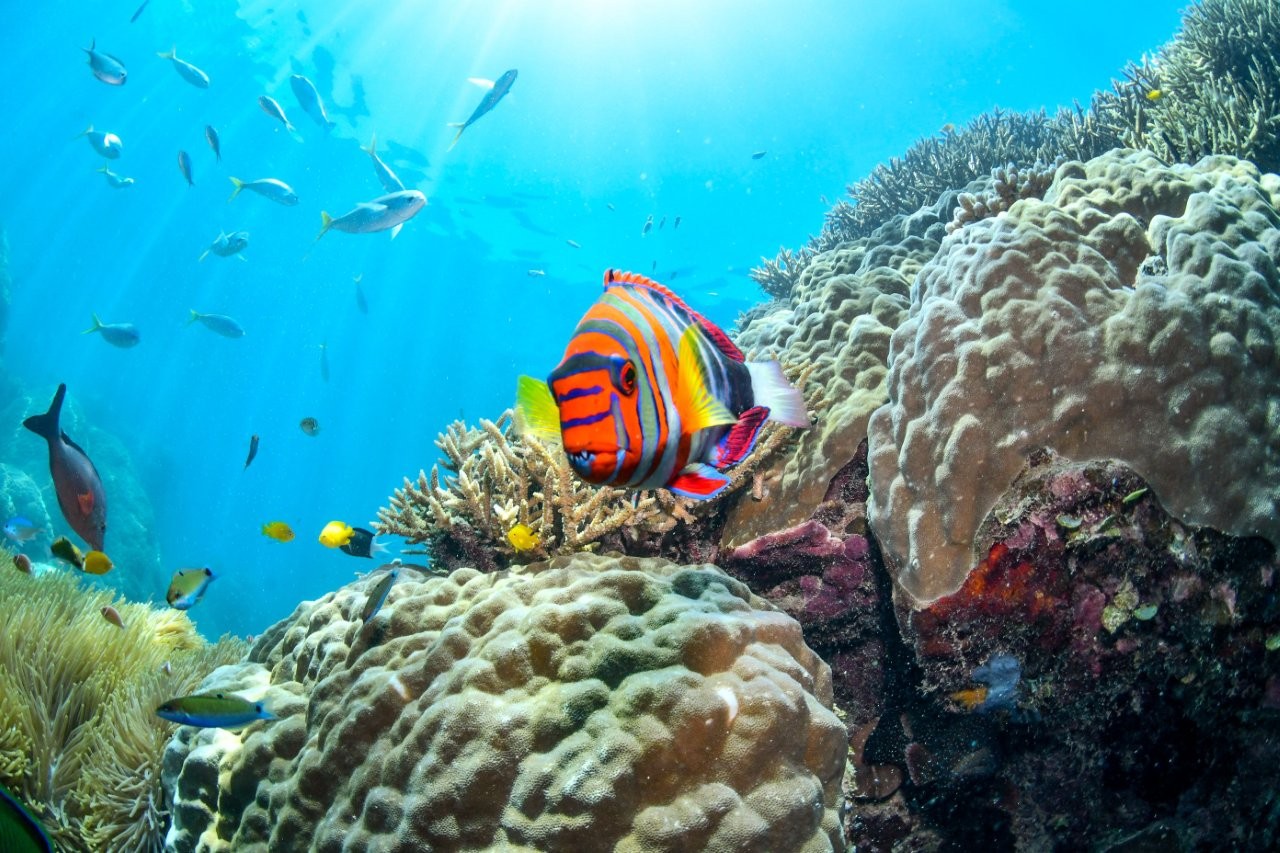
The US National Oceanic and Atmospheric Administration says chemicals found in some sunscreens can enter the marine environment directly from swimmers and through wastewater. PHOTO: Martins OPO
Australia’s Therapeutic Goods Administration currently permits 4-MBC in therapeutic sunscreens at concentrations of up to 4 per cent, but says it is conducting a safety review of the ingredient and is yet to make its final recommendation.
“Queensland does not need to wait until every regulatory process around the world reaches exactly the same conclusion before choosing a more precautionary procurement policy for children and workers,” Mizikovsky said.
“The European Union has already prohibited 4-MBC. If Queensland schools can purchase sunscreens without it, there is a reasonable question as to why they would continue purchasing products containing it.”
The other two ingredients named in the petition, Homosalate and Oxybenzone, have also been subject to significant regulatory scrutiny.
In its July 2025 safety review, the Therapeutic Goods Administration (TGA) recommended regulatory controls to restrict the permitted concentrations and use of both ingredients in Australian therapeutic sunscreens.
The TGA has stated that Homosalate and Oxybenzone can potentially be absorbed through the skin and may cause harmful effects when used at high concentrations, over large areas and for extended periods.
In Europe, the Scientific Committee on Consumer Safety concluded that Homosalate was not safe at concentrations of up to 10 per cent under the exposure assumptions it assessed.
Mizikovsky says the petition is deliberately focused on government purchasing rather than restricting consumer choice.
“There are many sunscreen formulations available that do not contain 4-MBC, Homosalate or Oxybenzone.
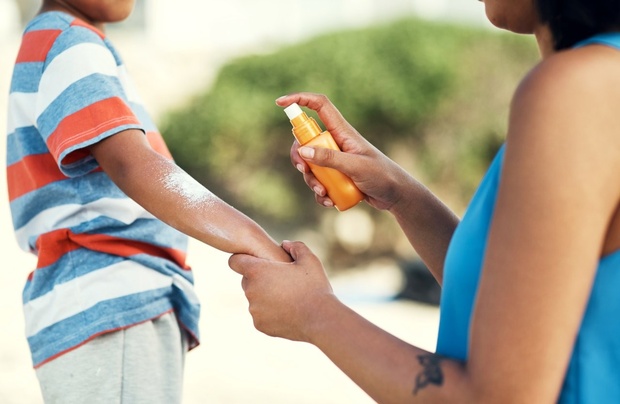
“This is about government procurement and the standard we choose when products are being supplied to children, outdoor workers and other people who may apply sunscreen frequently.
“Queenslanders should still wear sunscreen, seek shade, wear protective clothing and take UV exposure seriously. Removing three particular ingredients from government purchasing does not mean removing sun protection.”
The petition also raises environmental concerns because of Queensland’s unique responsibility for the Great Barrier Reef.
Oxybenzone in particular has been the subject of extensive international research examining its potential effects on marine environments.
The United States National Oceanic and Atmospheric Administration says chemicals found in some sunscreens can enter the marine environment directly from swimmers and through wastewater.
NOAA identifies Oxybenzone and 4-MBC among sunscreen chemicals that may harm marine life and cites research associating Oxybenzone exposure with coral bleaching, DNA damage and developmental abnormalities under experimental conditions.
“Queensland is home to the Great Barrier Reef and has millions of people applying sunscreen around our beaches, islands and waterways,” Mizikovsky says.
“When there are alternatives available, it makes sense to ask whether government procurement can simultaneously protect people from UV exposure while reducing unnecessary use of ingredients facing human health or environmental concerns.”
The petition was posted on 31 July 2026 and Mizikovsky says passing 1500 signatures will be an important milestone but the campaign will continue beyond that number.
“What began as a question about three ingredients has become a much broader conversation about what standard governments should apply when purchasing products for children and workers,” he says.
“Queenslanders are not asking government to ban sunscreen. They are asking government to exercise choice as a purchaser.”
“If there are effective sunscreen products available without these three ingredients, why shouldn’t they be the products we supply in our schools and government workplaces?”
Any Queenslanders keen to sign the petition can click here for more information.