
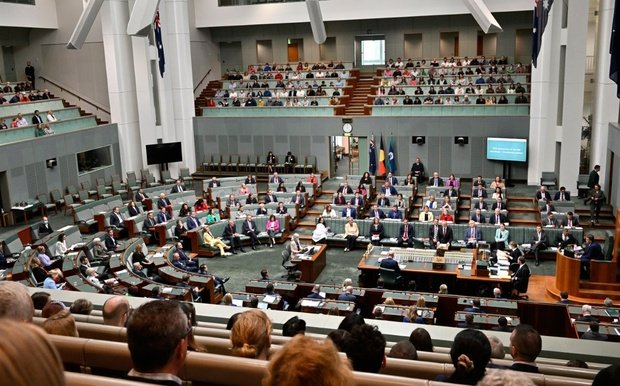
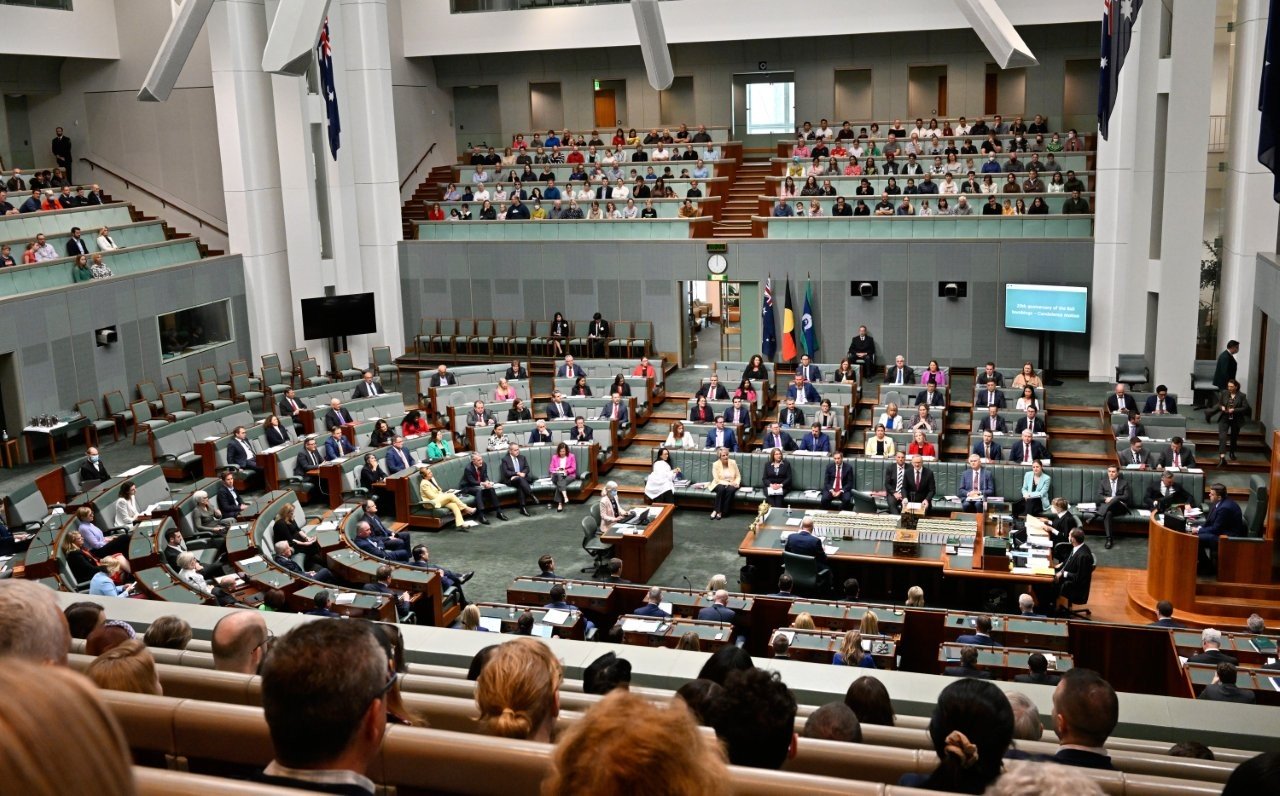
Schools are among the first places where young people learn to navigate disagreement. They learn how to express their opinions, listen to others, challenge ideas and resolve conflict. And those experiences matter because they help shape how young people eventually participate in public life.
So, I will start with four practical actions.
- Start with wellbeing, not a compulsory discussion. Check whether students or staff are directly affected, especially in Wangaratta and surrounding communities. Provide reassurance and appropriate wellbeing support. Avoid graphic footage, speculation and compulsory personal disclosures.
- Establish clear boundaries for discussion. Make the distinction between legitimate political criticism, peaceful protest, harassment, threats, and violence. Explain that students can disagree strongly without attacking or intimidating others. Schools shouldn't teach children to avoid political disagreement. They should teach them how to disagree without dehumanising, threatening or intimidating others.
- Use the incident to strengthen media literacy. With older students, compare factual reporting with speculation and opinion. Discuss source credibility, framing, and the risks of sharing unverified claims about the alleged attacker's motives.
- Embed democratic disagreement in everyday learning. Don't rely on one-off lessons following distressing incidents. Practise listening, evidence-based argument, respectful challenge, and peaceful civic participation throughout the school year.
One class activity I would suggest, particularly for secondary students, is to examine how the same political disagreement can be communicated in different ways.
For example, the teacher could create three fictional statements about a controversial government policy. The first might be a strong but evidence-based criticism of the policy. The second might personally attack the politician responsible. And the third might use language suggesting that the politician is an enemy or a threat. Students could discuss what changes between those statements.
For example, are we still criticising a policy, or are we attacking the person? Is the language encouraging understanding, anger or hostility? And what might be the consequences if those messages are widely circulated?
I think this is more useful than simply telling students to be respectful. It gives them practical tools to recognise how language works, and to understand that they can be passionate and critical without resorting to intimidation or dehumanisation.