
“Our schools have a very important role to play, particularly when an incident like this raises questions about violence, democracy and even political disagreement,” Dr Ayesha Jehangir, a journalism and communication scholar at UNSW, says.
While certainly not suggesting that every teacher needs to immediately organise a lesson about the attack, Jehangir, who is currently working in partnership with the Australian Human Rights Commission examining online hate and racism in the aftermath of the Bondi attacks, says the response should depend on the age of the students, whether they’re already discussing the incident and how directly their school community has been affected.
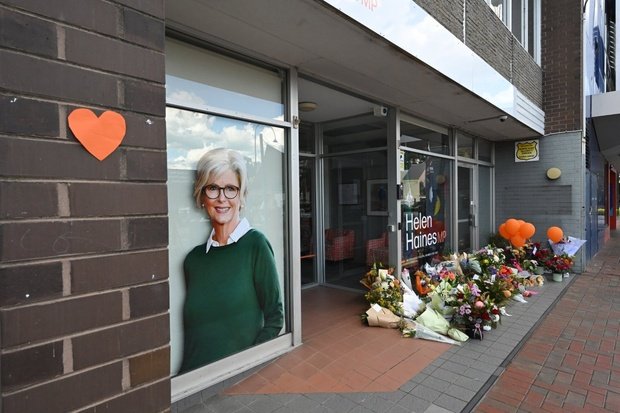
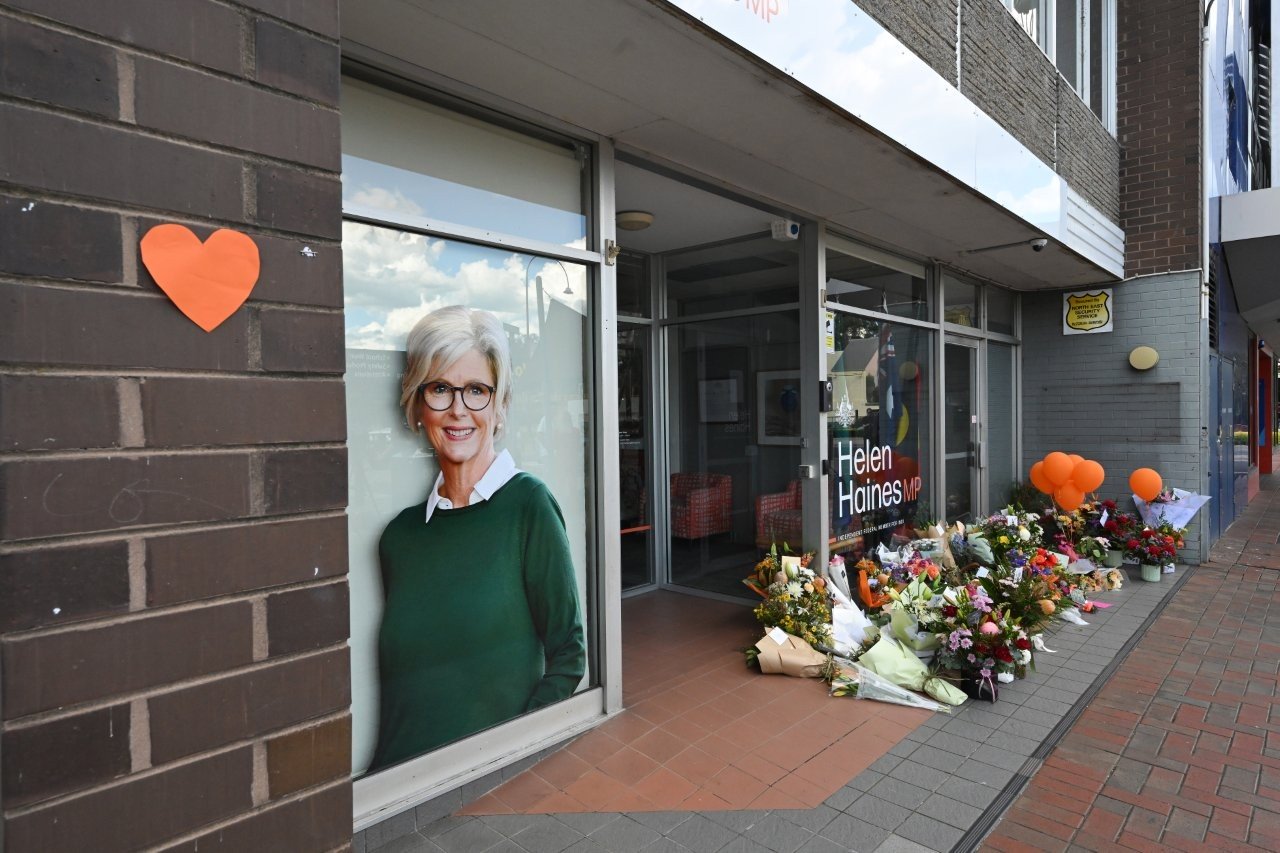
“For example, if I talk about students in Wangaratta and surrounding communities, who may have a much closer connection to Helen or to her family, for them, this isn’t simply a national news story,” she says.
Jehangir has young nieces who attend school in Wangaratta.
What schools can do, the researcher says, is to create an environment where students can ask questions and express concerns and understand that political disagreement is a normal part of democracy, but violence and intimidation are not acceptable ways of resolving it.
“The most important thing is not to turn a traumatic incident into a political debate about who’s to blame, particularly, when the motive is, of course, still being investigated,” Jehangir explains.
“For teachers, I would suggest starting with a simple, factual explanation, which is, of course, appropriate to the students’ age. For example, a teacher might say that an Australian member of parliament has been seriously injured, and the police are investigating it as a deliberate attack.
“And then it’s very important to establish two things very clearly – firstly, it’s absolutely legitimate to disagree with or criticise the decisions or protest against their policies.
“At the same time, secondly, violence, threats and intimidation are never, never acceptable responses to any political disagreement. The distinguishing of these at such a young age is very important.”
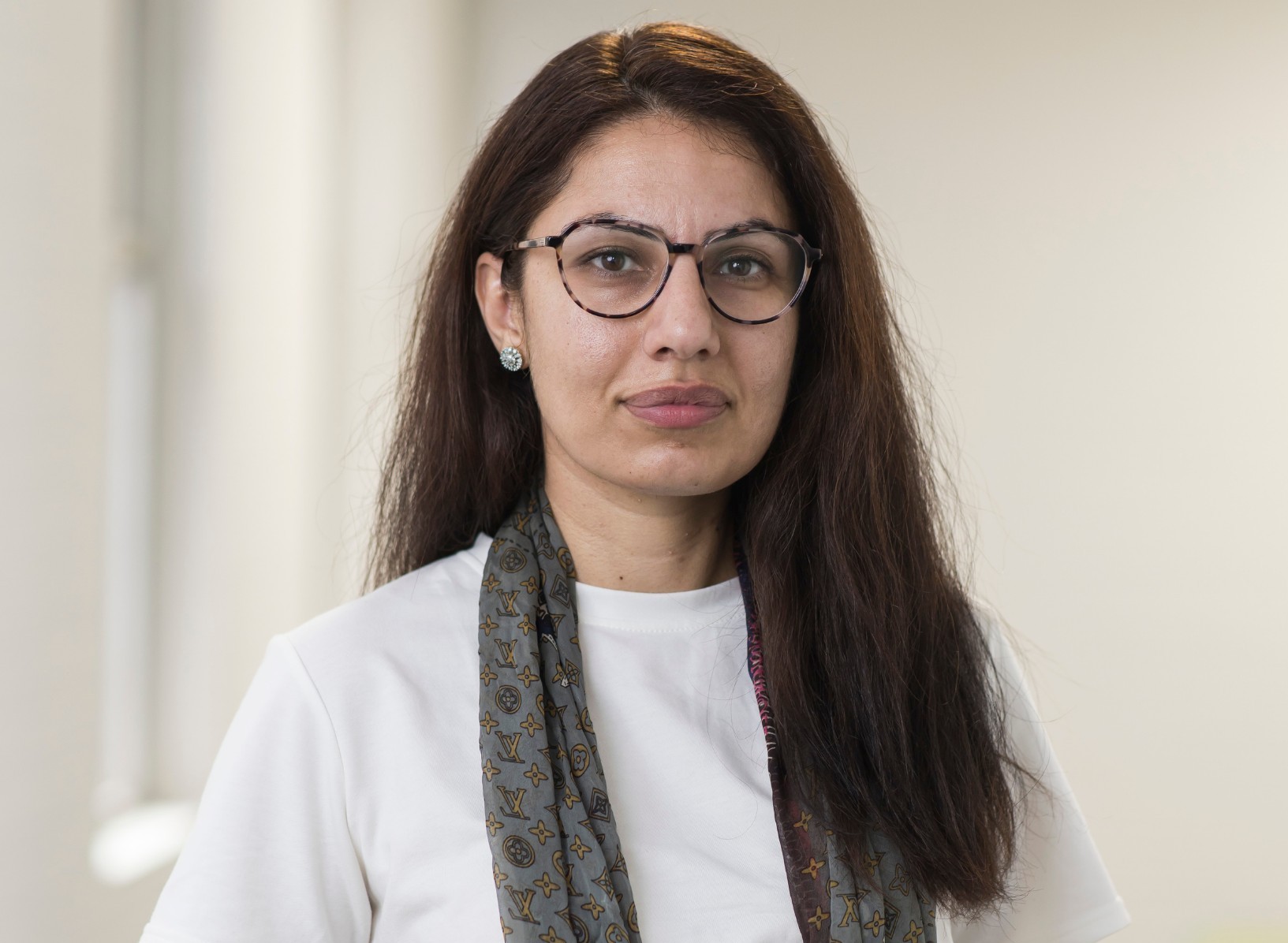
“It’s very important for us to talk to students and put them at peace, but at the same time find an opportunity to help them learn to navigate such disturbing information, which they have access to because of social media,” Dr Jehangir says.
Why would any woman be a politician?
Unfortunately, this is not the first violent attack on a political figure and incidents involving provocative comments by politicians against other politicians, specifically women, are a daily occurrence, although there is no evidence, it must be said, that it has led to this violent attack on Haines.
This morning veteran TV and radio broadcaster Tracee Hutchison said that when she ran as an independent for a recent 2026 by-election in Victoria’s state seat of Nepean, while she knew entering politics would be a slog, she did not anticipate death threats, pictures of her being gagged and a co-ordinated letterbox drop slandering her.
Distressed by the alleged attack on Haines, Hutchison has now decided not to run in the state election in November, despite winning almost a quarter of first preferences at the by-election in May, because of rising violence towards women.
“What I experienced in the by-election was a sustained, organised harassment and bullying campaign,” she said.
“The verbal harassment I experienced, and that the women in my team did, was unlike anything I had anticipated.”
The threats came from many corners of the Melbourne electorate, but the most sustained ones were from a group of young men, Hutchison alleged.
Jehangir has a 15-year-old son in Year 10, and understands how important it is to be discussing things like the manosphere and the growing exposure to misogynist attitudes among young men.
“I know teachers and parents may feel a bit nervous about talking to young people, but (with) this global wave of extremism and this toxic masculinity, of course social media has so much to do with it.
“My husband and I every day find ourselves sitting with our son asking him, ‘this has happened, what are your thoughts on it’?
Anything that happens online can very easily transfers into offline, real-world incidents, she shares.
“I was part of a global study of harassment and threats to female journalists, this is part of an UNESCO study, and we did see that a substantial number of online abuse and threats and threats of sexual violence do translate into real life, where not only the women, but their families are also affected and have to be careful and their safety is also at risk.”
Political disagreement vs political violence
The lecturer says she always tells her students that disagreement is important for democracy, but we need to distinguish between political disagreement and political violence.
“They’re not the same things, and social media can certainly intensify political hostility, although we should be careful not to treat every platform or online community as the same.”
One important difference between the traditional political communication and today’s digital environment, Jehangir says, is the speed, the scale and the repetition with which these messages circulate and end up in front of young people, and particularly young men who are perhaps upset and angry because of so many other things.

It’s absolutely legitimate to disagree with or criticise the decisions or protest against their policies, but at the same time, violence, threats and intimidation are never, never acceptable responses to any political disagreement. “The distinguishing of these at a young age is very important,” Dr Jehangir says.
“And then on top of this, a provocative statement by a politician, particularly against a female politician, for instance, might be reported in the news, it gets clipped into short videos, it’s shared by partisan accounts, and then circulated again and again with increasingly hostile commentary, because there’s this level of anonymity that social media provides to people.
“And so by the time these videos reach the different audiences, the original context may have disappeared.”
We also know that some platform features reward engagement, and provocative or emotion-charged content can attract substantial attention, she explains.
“Of course, we shouldn’t assume that online communication only divides people, but digital spaces can expose misinformation, I mean, there are good things about it as well, it does create opportunity for dialogue, but the question is whether these platforms and their users are creating conditions for understanding or rewarding increasing antagonistic forms of communication.
“I think it all comes down to media literacy as well, which is so important.”
Pointedly, Jehangir says accountability isn’t only when what happens after violence has occurred, it’s also about recognising communication practices, whether journalistic or whether political, that can normalise hostility before it reaches that point where political violence or sexual assault or sexual violence can occur.
“We need to ask not only who committed an act, but also about how our public institutions, including schools and universities, can reduce the conditions that make such intimidation seem acceptable in our society.”
The lost art of debating
Teaching students how to debate in a constructive and respectful manner, how to listen to each other’s viewpoints, how to control and better channel their emotions, how to present their own arguments but also listen and be open to other opposing ideas, has never been more important.
“With young people, it’s the reinforcement of some very important aspects of how people should live in a civilised society,” Jehangir explains.
“The starting point is to help students also understand what democracy actually requires. Of course, democracy isn’t about agreeing ... everyone has the right to express different point of views.”
“Some people choose to do it by verbal criticism, some would choose to go to a protest, there are different ways to respond to political decisions that people may oppose.
“There are ways we can disagree respectfully, without shutting down difficult political conversations and we have a responsibility to sit down with our young people when they do want to have them,” Jehangir says.
“I think this is one of the most important skills schools can teach, respectful disagreement and having certain expectations, like listening before responding, explaining your reason, or distinguishing facts from opinions, that’s also very important.
“And of course, avoiding personal insults or generalising the entire community. That’s also very important.”
The importance of how we communicate disagreement
Jehangir’s research focus is mainly on how media narratives and political communication can intensify conflict, reinforce divisions or enable spaces for understanding.
“Broadly my study into war and conflict and how distant conflicts can affect our society here in Australia, [has found] that how we communicate disagreement can influence how people understand it.
“In conflict reporting, for instance, we often see complex disputes reduced to opposing sides with an emphasis on confrontation or blame or victory.
“That can reinforce an ‘us versus them’ mentality, where people begin to see those on other side, not simply as opponents, but as enemies.
“It’s also language and its role in constructing who belongs and who does not belong and who’s more deserving and who’s less deserving and who’s suffering is more important than others.”
Jehangir would never compare an Australian classroom to a war zone, but some of the same communication principles are relevant, such as students who are constantly exposed to political arguments through social media, news and conversations within their communities.
“So, what I do in my classrooms and also I think what schools can do to help, is to help [students] recognise when language is being used to inform or persuade or provoke or dehumanize people, communities, or even ideas.
“For example, teachers could show students different headlines about the same political issue and ask how the choices of words change their understanding.
“This is a very simple but a very powerful way of showing young people that communication hasn’t just described disagreement, it can influence whether that disagreement becomes more hostile or even more constructive, for that matter.”