For years, terrorists and extremists have used the internet to target young people and convince them to plan and carry out violent acts.
But the recent use of social media, gaming platforms, online forums, the dark web and private group chats has allowed bad actors to more quickly and effectively radicalise people, the Australian Federal Police warns.
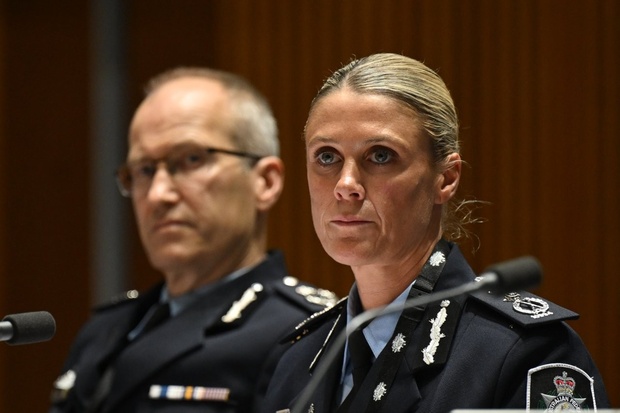
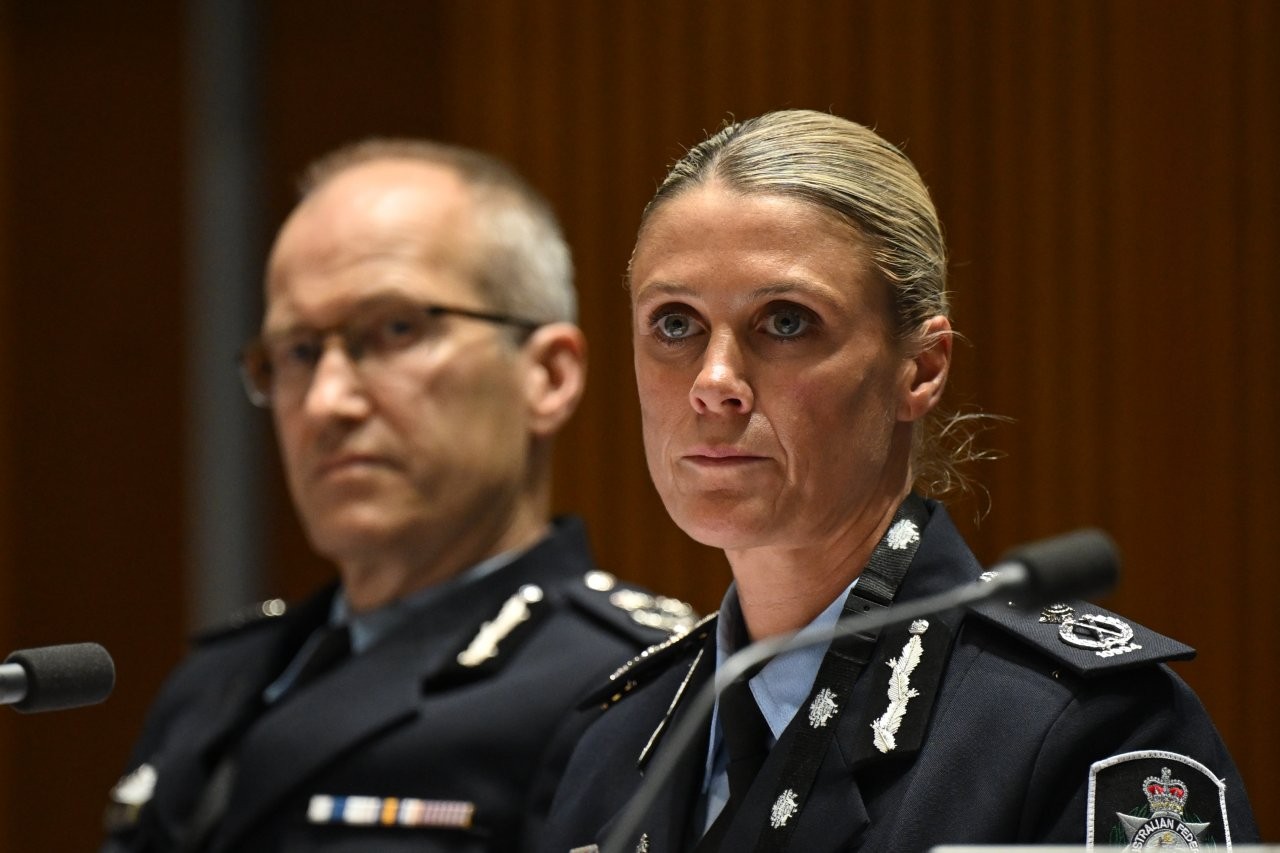
“Terrorists and hate mongers are manipulating vulnerable and susceptible individuals at rapid speed, in part because of existing and emerging technology and the blurred boundary of the virtual and the real worlds,” AFP Commissioner Krissy Barrett told senate estimates on Thursday.
“Where it used to take months or years to radicalise a person, in some cases, it’s happening in days.
“We see the speed and scale of radicalisation becoming one of our most significant challenges, especially when it comes to young people.”
The problem is not exclusive to Australia.
Security agencies internationally are battling growing radicalisation and the commissioner has said the issue will take the spotlight when she attends a meeting with counterparts from fellow Five Eyes nations - the UK, US, Canada and New Zealand - in June.
The countries are exploring the possibility of allying with tech companies to use artificial intelligence and other emerging technologies to combat radicalisation, particularly targeting young people.
Of the 32 people charged with violent extremism material offences by Australia’s joint counter-terrorism team, 19 were no older than 17, and some were as young as 13.
The Federal Government has pledged $74 million over the next two years to establish a national Counter Terrorism Online Centre to address the issue.
In 2024 new powers were given to the Australian Federal Police and new offences were created in terms of the distribution online or possession online of radicalised material, of violent extremist material.
Minister for Cyber Security, Tony Burke, said the feature of young people being radicalised fast online is real.
“If you think about the radicalisation of young men, in particular, while they’re playing on gaming platforms, up until now, threat actors, if they’re wanting to engage with them on whatever chat app they might be using alongside or adjacent to the game that they’re playing, have had to always have been actual people,” he told a press conference earlier this month.
“Now, with artificial intelligence, the conversations that are happening in the first instance may well be with bots, they may well be with somebody whose voice is being mimicked to sound younger and even being translated in real-time.”
Earlier this month, Barrett said too many of the nation’s young and vulnerable are at the crossroads to crime and too many are already desensitised to violence, given what they have been viewing or creating online.
“We need to use a combination of human intelligence and artificial intelligence to disrupt and detect the extremist recruiters and inciters, while protecting and diverting those at risk.
“Shielding kids from manipulation and harm is one of my key priorities as Commissioner.”
Barrett said the Counter Terrorism Online Centre would allow police to identify and disrupt radicalisation earlier and protect vulnerable young people.
It will provide an early warning system for Australia’s joint counter-terrorism teams about hate groups and others who might be using the internet to incite violence.
Mike Burgess, Director-General of Security and the man in charge of the Australian Security Intelligence, said he continues to be “extremely concerned” by the number of young people, particularly young men, who are being radicalised online and mobilising to violence relatively quickly with little to no warning.
“The extremists we look at, almost by definition are security conscious and suspicious of outsiders,” he said.
“People who self-radicalise online are often show few if any real-world indicators they are mobilising to violence.
“Online operations are often the only way we can have identify and engage with these individuals so we can understand their intent, their capability, their identity and their targets.”
Prime Minister Anthony Albanese also said his Government would engage “in good faith” with states’ requests for more federal funding for deradicalisation.
“Every state and territory wants more money for everything,” Albanese said on ABC’s Afternoon Briefing on Thursday.
“I won’t discuss issues related to national security on your program, frankly.”
NSW, which is managing the processing of several women returned from Syrian detention camps, made a specific request for money to support health checks and reintegration, Federal Government officials confirmed at a Senate inquiry on Wednesday.
The Albanese Government is yet to issue a response to the request.
(With AAP)