

One secondary teacher, who works at a public school in Melbourne, told EducationHQ that the situation at her school had become quite ridiculous.
“We have a camera that faces our meeting room, so you’re under surveillance.
“You have to sign in, we take a roll call – it’s like being in the army. And then they’ll check via the camera to see if you’ve left early or if you’ve put in a medical certificate for missing 15 minutes,” the teacher lamented.
“It’s like, ‘welcome to Utopia’.”
A middle leader from an independent school in Melbourne said they had three compulsory meetings each week, with strict expectations attached.
“It’s the hierarchical environment, you feel as though you’re being watched. If you don’t attend a meeting you have to explain why, you have to send an apology,” the educator said.
Teachers have become infantilised in the school context, they added, with flexibility around working hours and time spent on-site virtually non-existent.
Even when staff don’t have a scheduled meeting after school they are expected to remain on campus and work until 5 o’clock as a ‘show of morale’ for those that do, the teacher said.
“That’s a rule. And we’re doing [tasks] that could be easily done at home – lesson planning, marking. [There’s no consideration] of professional responsibility…”
Given that most staff are at work by 7.45am, there ought to be recognition of the long days that teachers consistently put in week-in, week-out, rather than the harmful micro-management that’s playing out, the teacher said.
“Especially because every staff member will go home and, at a minimum, check emails or Teams messages or do some corrections or planning for the next day
“There’s an expectation that teachers will respond to students outside of class time and that we will do a minimum of eight hours of work outside of school time a week.”
Adding insult to injury is the fact that the majority of scheduled meetings could be aptly covered via an email or in a short video on the school’s learning portal, the teacher noted.
“I think teachers [need to be granted the] professional integrity to meet as a faculty as needed … so that they don’t have to meet outside of school.
“Having more than one mandated meeting is challenging for teachers who are already time poor and dedicate so much of their lives to the profession.”
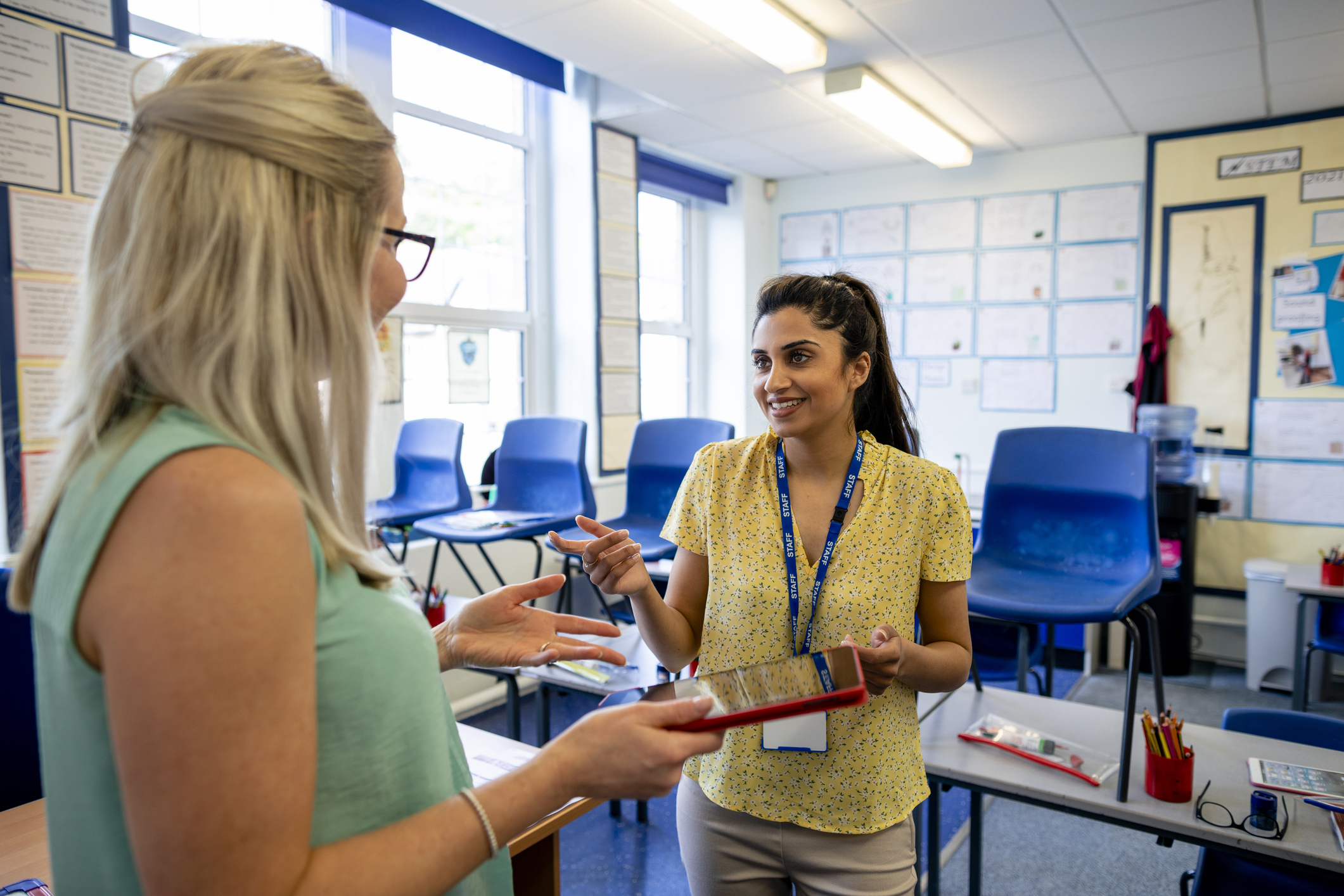
One teacher says their friends who work in other fields are “floored” by the amount of professional learning meetings that teachers are put through.
Some teachers recently aired their views on staff meetings via Reddit.
“It’s either a box-ticking exercise or some elaborate PD that takes hours of your time and is clearly the brainchild of someone who teaches a few periods a week and has completely lost touch with the reality of being slammed with endless lesson prep and marking.
“My school unfortunately loves the second kind of PD,” one posted.
Another suggested some facilitators were prone to treating staff like children.
“...It’s very condescending to be told ‘close your laptops’ when the acting head of department is speaking and then get shown an animal as a ‘starter activity’ before going into the admin side of teaching like reports, assessments etc..”
One teacher pointedly noted that they “don’t need to spend an hour having the PowerPoint slides read to me with a 5-minute Post-it Note activity”, because they “can in fact read the PowerPoint on my own”.
Amid tense enterprise bargaining negotiations, at the start of Term 2, teachers in Victorian public schools were directed by the AEU Victorian branch to not attend meetings among a range of measures designed to apply pressure to the Allan Government.
Some found the move to be highly beneficial.
“It’s been interesting during the union bans how much more natural collaboration is happening because people aren’t being forced to attend meetings they’ve heard for the 100th time,” one teacher reflected on Reddit.
“I have gotten so much done since we have been protesting meetings, that extra hour has been legitimately so valuable to me,” another commented.
One teacher said their friends who worked in other fields are “floored” by the amount of professional learning meetings that teachers are put through.
“Weekly PD sounds ridiculous to them, they actually think I’m joking when I tell them. Particularly when I tell them the content and how inefficient it is.
“It’d be one thing if the learning was of a high quality and addressing things we really need, but that’s very rarely the case.”
The teacher reported sitting through an hour-long meeting last term which focused solely on the need to pause after asking questions during a lesson.
“…I obviously already do that, but it was presented to us as if leadership had discovered the next great thing. Which is also condescending and not treating us as professionals…
“It’s also a harder pill to swallow when teachers have 1000 more pressing tasks they are needing to complete but have to use their valuable work time on these inefficient meetings.”
Often the most productive meetings were unofficial ones that took place in the staffroom at recess and lunchtime for around five minutes, one teacher previously told EducationHQ.
“They deal with the needs of the day or the week. We all get some general agreement – but that’s all done on the run.
“I mean, we work day-to-day, really. [Official] meetings are really good, but the follow-through time [spent writing up the minutes] can become really arduous.”