Sadly, in 2026 many young girls still feel compelled to hide sanitary products, conceal their symptoms, and treat their periods as shameful.
Research reveals that almost 50 per cent of young Australian men feel their education on periods at school was poor or non-existent. This lack of understanding notably creates an environment where boys feel uncomfortable, only perpetuating the stigma.
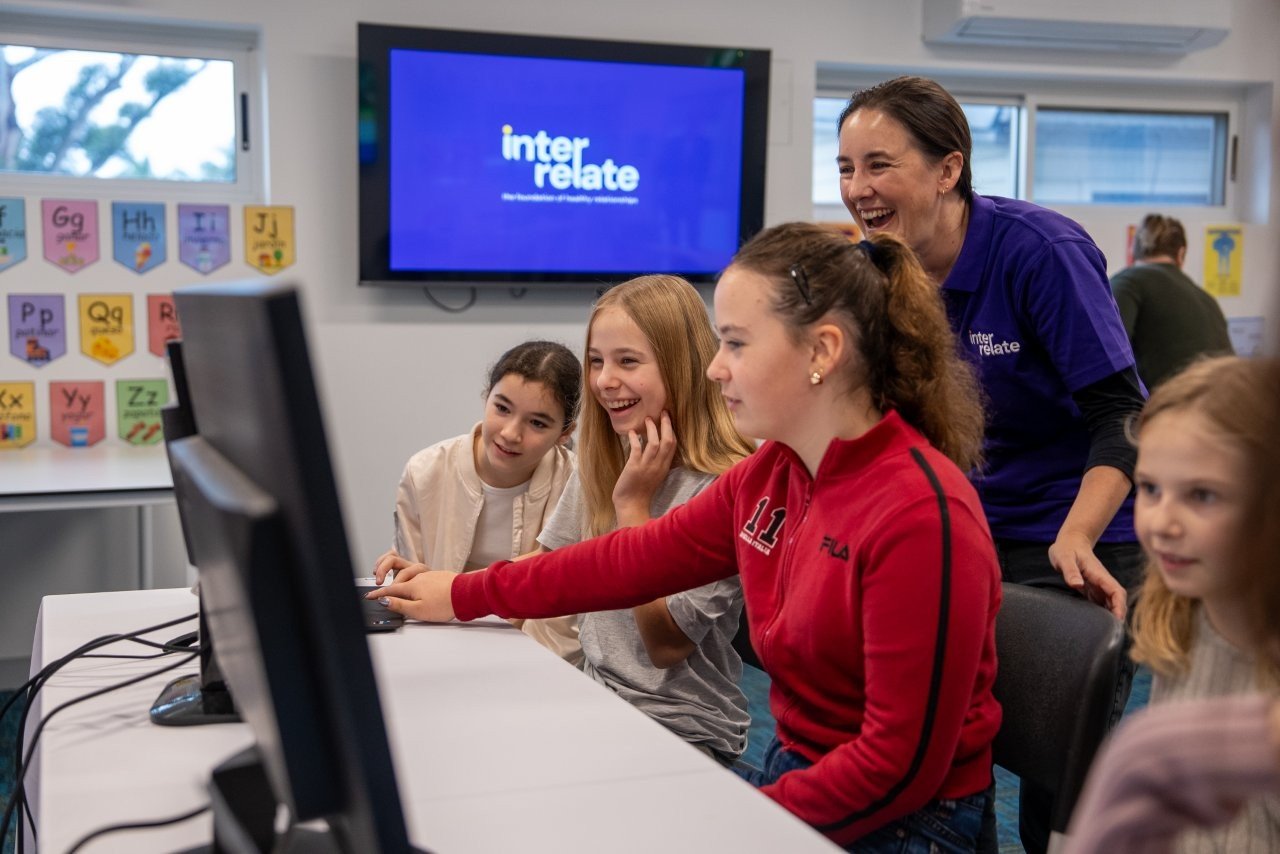
In response, a new free online educational game, designed for eight- to 12-year-olds, aims to tackle the embarrassment and misinformation that often surrounds menstruation.
Instead of one-off lessons or awkward chats, students embark on a quest, navigating real-life scenarios, making decisions, and building confidence along the way.
Developed by Interrelate, a not-for-profit relationship service provider, Cringe Quest launched last week to mark Menstrual Hygiene Day.
Created in partnership with Brisbane-based Activate Studios, the game is designed to complement existing puberty education while fostering empathy, inclusion and confidence among all students, boys included.
“We know these conversations can feel uncomfortable, for students, parents and even teachers, but they are incredibly important,” Interrelate relationship and sexuality education expert, Kristy Turnbull says.
“When we looked at how young people are learning about menstruation today, we saw a clear opportunity to do better, to create something engaging, inclusive and confidence-building.”
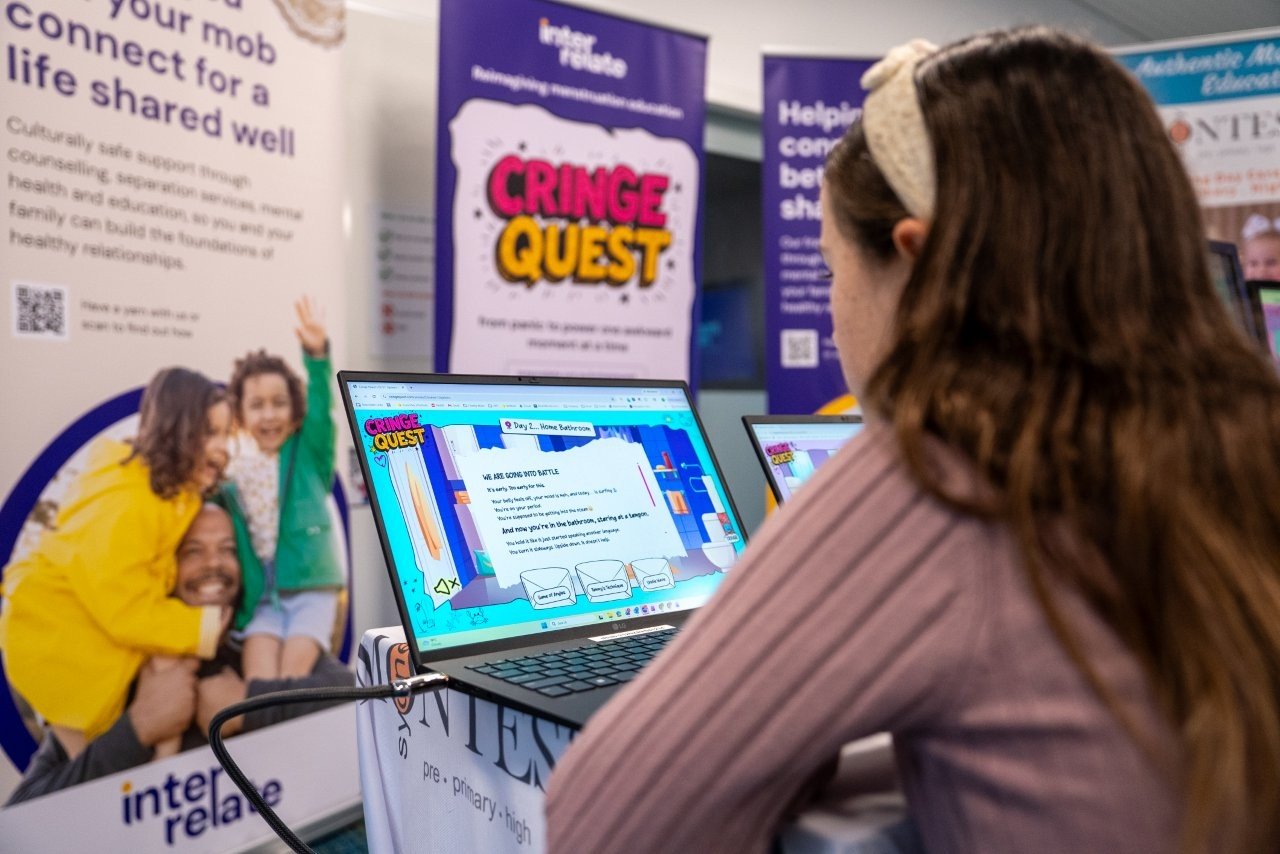
Through the Cringe Quest gameplay, students explore everyday scenarios at school, home and in public, learning how to respond, communicate and support themselves and others. PHOTO: Adam Taylor
Through a series of national think tank sessions with experts, teachers and students, significant challenges in how menstruation is currently taught were uncovered, including 42 per cent of students reporting they felt embarrassed during period education.
The sessions found that ongoing stigma and misinformation continues to shape attitudes, boys are often excluded from meaningful learning, and many young people feel anxious about what is “normal”.
“We heard everything from ‘it’s embarrassing and gross’ to genuine anxiety about pain and what to expect,” Turnbull says.
“We realised we needed to go beyond just facts; we needed to build confidence, empathy and real understanding.”
Educators highlighted the powerful impact of creating safe, open spaces for discussion, moments where understanding replaces fear, and confidence begins to grow.
Through the Cringe Quest gameplay, students explore everyday scenarios at school, home and in public, learning how to respond, communicate and support themselves and others.
The result is a learning experience that feels less like a lesson, and more like a conversation.
Sarah Jones is a Stage 3 (9-12-year-olds) teacher at Sydney Montessori School, where the game was launched last week.
Jones, who’s been at the K-12 school for two and a half years, and a Montessori teacher since 2017, says she likes that her students can work their way through the game at their own pace, and that the educational tool reinforces the information that their teachers or their parents are teaching them.
“Engagement wise, they get to absorb the information through an interactive platform, which is a part of their world at the moment,” she says.
She says the program helps girls feel prepared, confident and empowered.
“It’s wonderful to see technology being used in such a positive and meaningful way.
“I think the game will make period education accessible and engaging for girls and will help remove fear and embarrassment, and give girls confidence to navigate the changes in their bodies with dignity and self-assurance.”
In game form, Jones says it really captures students’ interest and the flexibility to be able to engage in it with a friend, like at a sleepover or play date, or in the classroom as well, is a real plus.
“Being with their peers, it’s taking that awkwardness out of the learning and they can have that dynamic conversation with their peers or they can share that nervous giggle with each other. It’s that comfortable, self-paced learning.”
Jones says the boys at her school were really engaged with the learning.
“If they’re educated in that way, there isn’t going to be the nastiness or teasing that sometimes occurs, and they can understand better what their friends are going through.
“Because boys and girls are friends, if they (boys) understand, then they can maybe help in that instance if it’s in the playground. They can maybe say ‘okay I’m going to go get their pack for them and help them’ or even perhaps just keep it under wraps, rather than making fun or a scene.”
Turnbull says in a world where young people are exposed to constant information about relationships, bodies and identity through social media, streaming platforms and online communities, menstruation remains one of the most important topics wrapped in awkwardness and silence.
Cringe Quest aims to change that.
In other reproductive health news, women’s charity Share The Dignity has announced its plan for Menstrual Equity in Australia by 2031.
Having brought meaningful change since its founding in 2015, from contributing to the removal of GST on period products, to influencing access initiatives across Australia, to building the world’s largest body of research into menstruation through the Bloody Big Survey, Share The Dignity’s new goal is its most ambitious yet.
The organisation has changed the way Australia understands menstruation, and menstrual equity means a future where period products are available wherever they are needed, no one misses school, work, sport or life because of their period and menstruation is understood, accepted and spoken about without shame.
To help achieve this, Share The Dignity will continue pushing for policy change, using evidence from the Bloody Big Survey to guide decisions and creating innovative solutions that improve access to period products across schools, workplaces, hospitals and public spaces.
For more information, click here.