
Embracing games-based learning in schools

Dr Catherine Beavis, pictured, is a professor of education at Griffith University. Her research expertise ...

Digital games have an enormous impact on the lives of many young people today. The use of games in classrooms around the world offer exciting ways to stimulate engagement, collaboration, problem solving, creativity, innovation, critical thinking, communication and digital literacy. Most experts agree that the potential of games to improve learning and to satisfy contemporary curriculum goals in schools has not yet been realised. Generally, game-based learning is designed to balance what the students are learning in class with game play and the ability of the students to retain and apply that subject matter to the real world. In this feature, we explore why students find digital games so engaging, and which are the best games to use in the classroom.

Dr Catherine Beavis, pictured, is a professor of education at Griffith University. Her research expertise ...
This story appeared in the Term 2, 2015 edition of TechnologyEd.


Politicians have been told to stay away from public schools after a premier made “grubby and ill-informed” comments over the renaming of a Christmas event.

A fix for a territory’s child protection system cannot be viewed in isolation from poverty and inadequate housing when it comes to the drivers of family violence, Aboriginal advocacy groups say.
A new study has called into question the effectiveness of social and emotional learning programs and how they are being delivered in Australian primary schools, finding clear evidence of ‘null or mixed’ student outcomes.

The Albanese and Carroll Labor Governments have signed a long-term agreement to fully fund Victorian public schools, however union leaders have described a delay of part of Victoria’s contribution until 2031 as “unfair”.

The Victorian Government’s announcement that it is extending the state’s mobile phone ban to include smart glasses and wearable devices in all schools – government, Catholic and independent – has not been met with universal support.
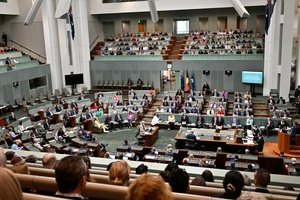
UNSW academic Dr Ayesha Jehangir has offered practical classroom advice to teachers and school leaders on how they can deal with the news surrounding the terrible attack on MP Helen Haines in Wangaratta on Monday.

Artificial intelligence is accelerating the online radicalisation of Australians, federal police have warned, as the country grapples with the worst attack on a politician in more than 30 years.

Monday’s devastating attack on independent MP Helen Haines has left most of us deeply distressed and pondering how such a thing could happen in this country, but it has also left educators nationwide deciding how to approach the incident, it’s ram...

Early mornings and long Sunday evenings making up for lost preparation time are pushing teachers to the brink, a union warns.

A reported crackdown on parents whose children are chronically absent from school has been slammed by the director of a prominent ‘school can’t’ support group, who says threats of court action and fines are discriminatory and miss the crux of the ...
