
As the nation prepares for the upcoming summer holiday break, Royal Life Saving Australia has issued a startling warning, urging parents to book lessons for pre-teens after data revealed the pandemic’s impact on national water safety.
Research released on Thursday claimed the risk of drowning had increased by 1300 per cent for kids aged between 10 and 20.
Drownings for 15 to 20 year olds has also blown out by 34 per cent in the five years since the 2021 pandemic compared to five years prior.
Royal Life Saving Australia estimates about 10 million swimming lessons were missed during COVID-19, creating a bubble of young Australians at risk of drowning as they enter their teenage years.
The nation was now playing catch-up on ensuring children’s water safety as summer approaches, CEO Dr Justin Scarr said.
“At the time of the pandemic we were deeply concerned about the closure of swimming pools and swim schools,” he said.
“Many of those children, despite incentives like voucher programs, didn’t return to lessons.”

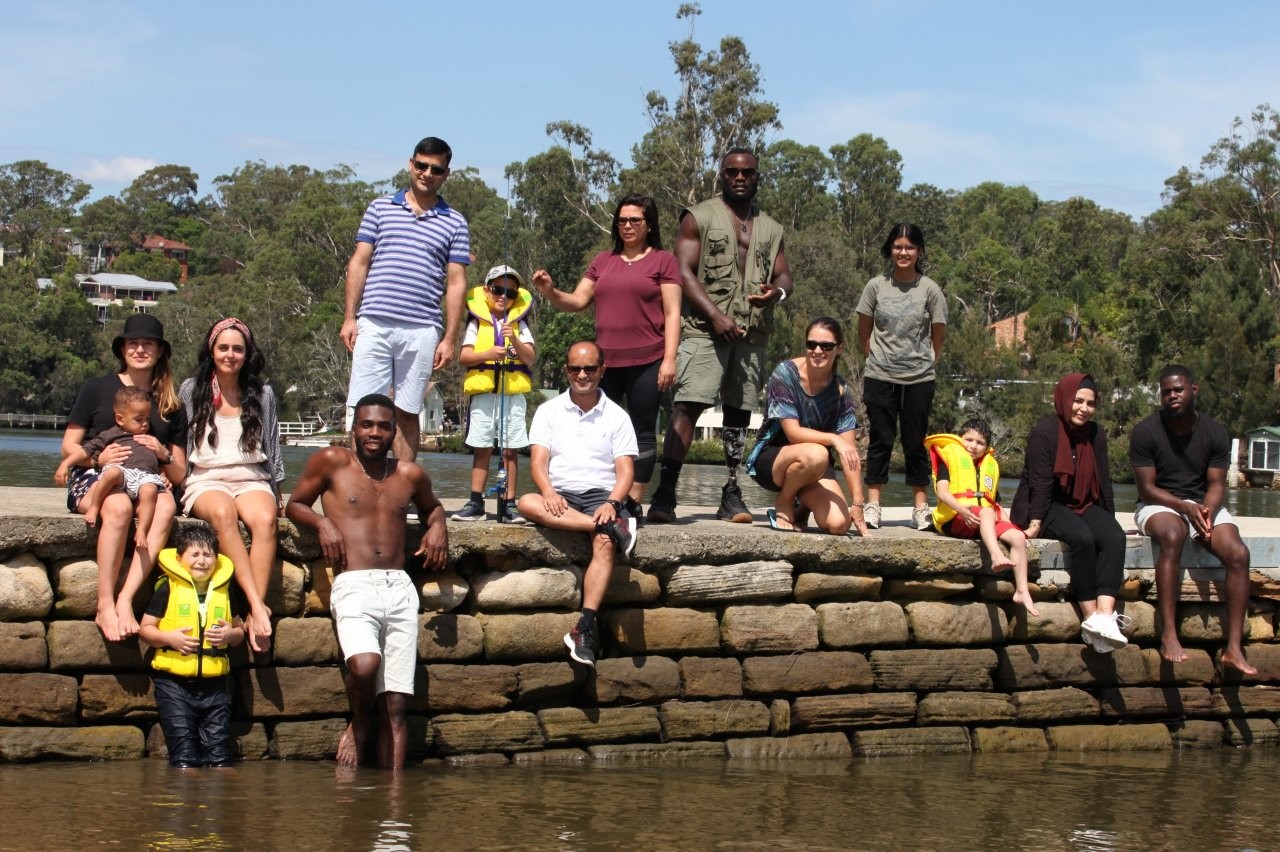
More than10 million swimming lessons were missed due to the pandemic, and five years on, many of those children are teenagers, who can’t swim but are likely to be exposed to drowning in rivers and beaches, where strong swimming skills are important. PHOTO: RLSA
Research showed that more than half of 10-year-olds and 40 per cent of 15-year-olds could not swim 50 metres.
The drowning risk increased as children gained greater independence and spent more time unsupervised, making them more likely to engage in risky behaviour in the water.
“They’re likely to be out and about with their friends, exploring their local environment, and if they don’t have the swimming skills, then they can get into trouble very quickly,” Scarr said.
Children are learning swimming basics at a younger age overall but they were also finishing lessons earlier without adequate follow-up, he said.
“They might be able to do a few strokes to the edge of the pool, but those skills are really not enough for anything with flowing water – a river, a beach, unsupervised or with their friends,” Scarr said.
“That’s when we see drowning rates significantly increase.”
Scarr urged parents to book extra lessons for pre-teens, saying young people unable to swim were missing out.
“You won’t find them in the local water polo club, you won’t find them in a swimming club, you’re less likely to find them out and about snorkelling in our wonderful reefs,” he said.
“I think that’s a really tragic consequence of not being able to swim your way through life.
“While we talk a lot about drowning, we’re encouraging people to learn to swim to maximise those opportunities.”
To help parents assess their children at the age of 10, before drowning risk elevates, Royal Life Saving is providing the following checklist:
- Can your 10-year-old swim 50 metres and float for two minutes?
- If they fell from a boat or slipped off rocks, could they float and/or swim 50-100m to safety?
- If peer pressure meant they jumped from a jetty or rocks, could they swim to safety?
- If they were caught in a river current, would they know what to do to help them survive?
If the answer is no, or they are not sure, then Royal Life Saving is encouraging parents to:
- Contact your nearest swim school and consider enrolling in lessons or vacation program
- Spend more time at the local swimming pool over summer to boost their skills
Other options for teenagers are to consider joining a swimming or lifesaving club, doing a bronze medallion or trying any of the swimming-based sports like water polo or learning to surf.