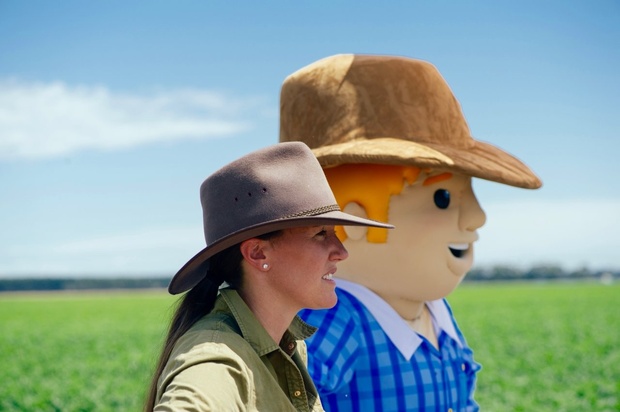
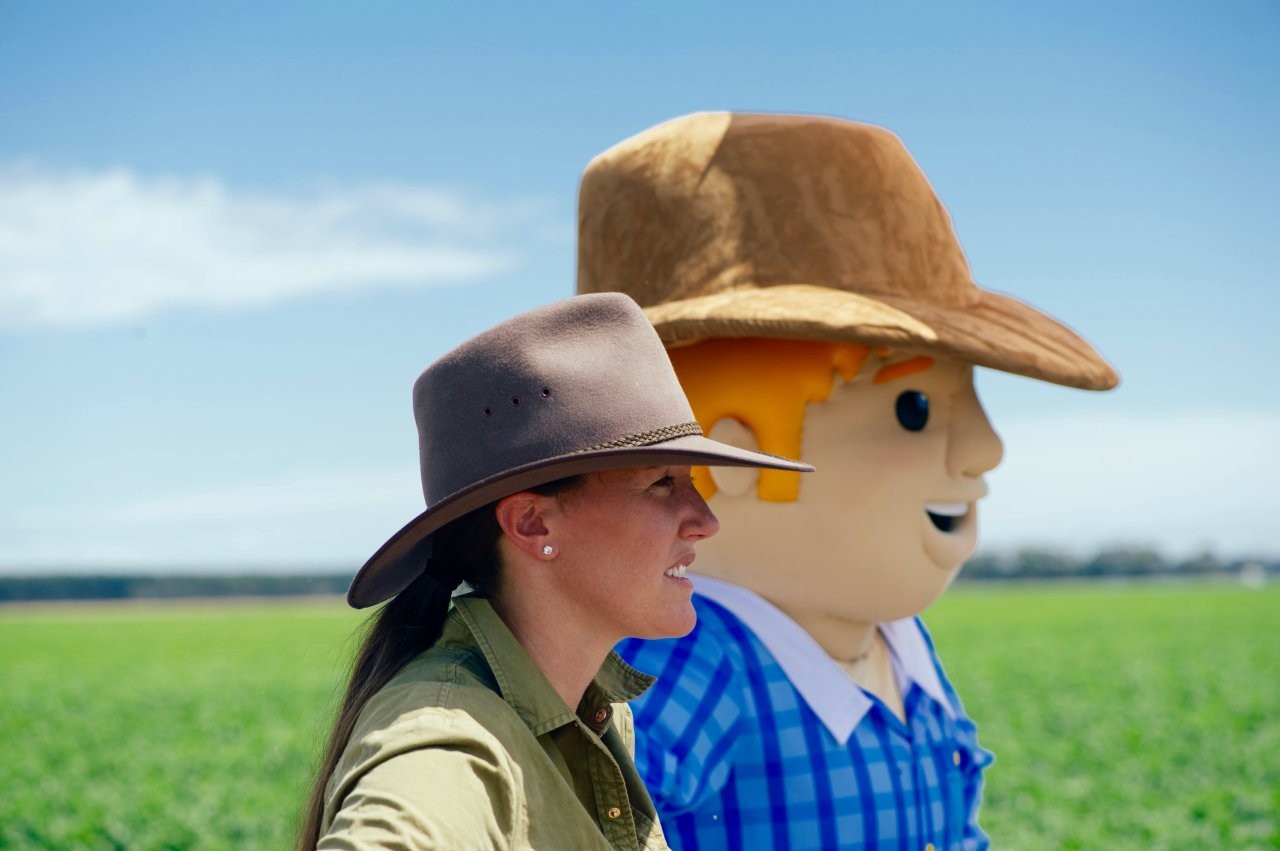
The findings should be a wake-up call for greater food and fibre education, Australian education advocate Simone Kain, says.
Data from a survey by farmers co-operative Norco of 509 Australian children aged five to nine has revealed significant gaps in their understanding of where everyday food comes from.
The research found 20 per cent of the kids believed supermarkets would continue to be restocked without farmers, more than one in four thought ice cream starts in a factory rather than on a dairy farm, and 15 per cent thought hot chips originate at McDonald’s rather than from potatoes grown on farms.
The knowledge and practical skills needed to choose, prepare, and understand food could be included more in the Australian curriculum, some would argue, to help stop rising childhood obesity and build lifelong healthy habits.
Latest research tracked by the Obesity Evidence Hub shows that only 4.6 per cent of Australian children eat enough daily vegetables, while getting about 35 per cent of their total daily energy from unhealthy discretionary foods.
Only 4.6 per cent of children aged 2 to 17 meet the recommended daily serves of vegetables, and while 63.9 per cent of children meet the daily guidelines for fruit, just 4.3 per cent meet the guidelines for both fruit and vegetables.
Adolescents are the least likely age group to eat enough nutritious food, with only 4 per cent of teenagers meeting fruit and vegetable recommendations.
Kain is founder of agricultural education platform George the Farmer, and says the Norco survey results are concerning, but not surprising.
She believes it’s imperative that the conversation moves beyond what children don’t know to why that knowledge matters and what can be done about it.
“Knowing where our food comes from isn’t just a nice thing for children to learn,” Kain says.
“It gives them the foundations to understand what they’re eating, where it came from and what has happened to it between the farm and their plate.”
Kain says if a child understands that a potato grows in the ground, that milk starts with a dairy cow and that fruit and vegetables are grown by farmers, they can begin to understand the difference between fresh, minimally processed foods and highly processed products.
“That knowledge can help them make more informed and healthy food choices as they grow up,” she explains.
Our future researchers, scientists, decision-makers and agricultural workforce are in our primary and secondary schools at the moment, Kain says.
“If they grow up disconnected from how food is produced, that has much bigger implications for our future food system and the wider agricultural sector than simply not knowing that a chip starts as a potato.
Kids can tell you extraordinary facts about dinosaurs, planets and their favourite sporting teams because they’re exposed to those subjects again and again, Kain shares.
“There’s no reason they can’t grow up just as curious about where their food comes from.
“We don’t need every child to become a farmer. But every child needs to eat. Understanding where food comes from should be part of growing up.”
Building agricultural literacy from an early age could also help children see the enormous breadth of careers available across Australia’s food and fibre industries, the food education experts contends.
“Agriculture isn’t just about becoming a farmer. We need scientists, engineers, researchers, agronomists, vets, technology specialists, marketers and countless other professions to keep the sector thriving.
“If we want Australia to continue producing world-class food and fibre into the future, children first need an opportunity to understand the industry, connect with it and see themselves as part of it.”
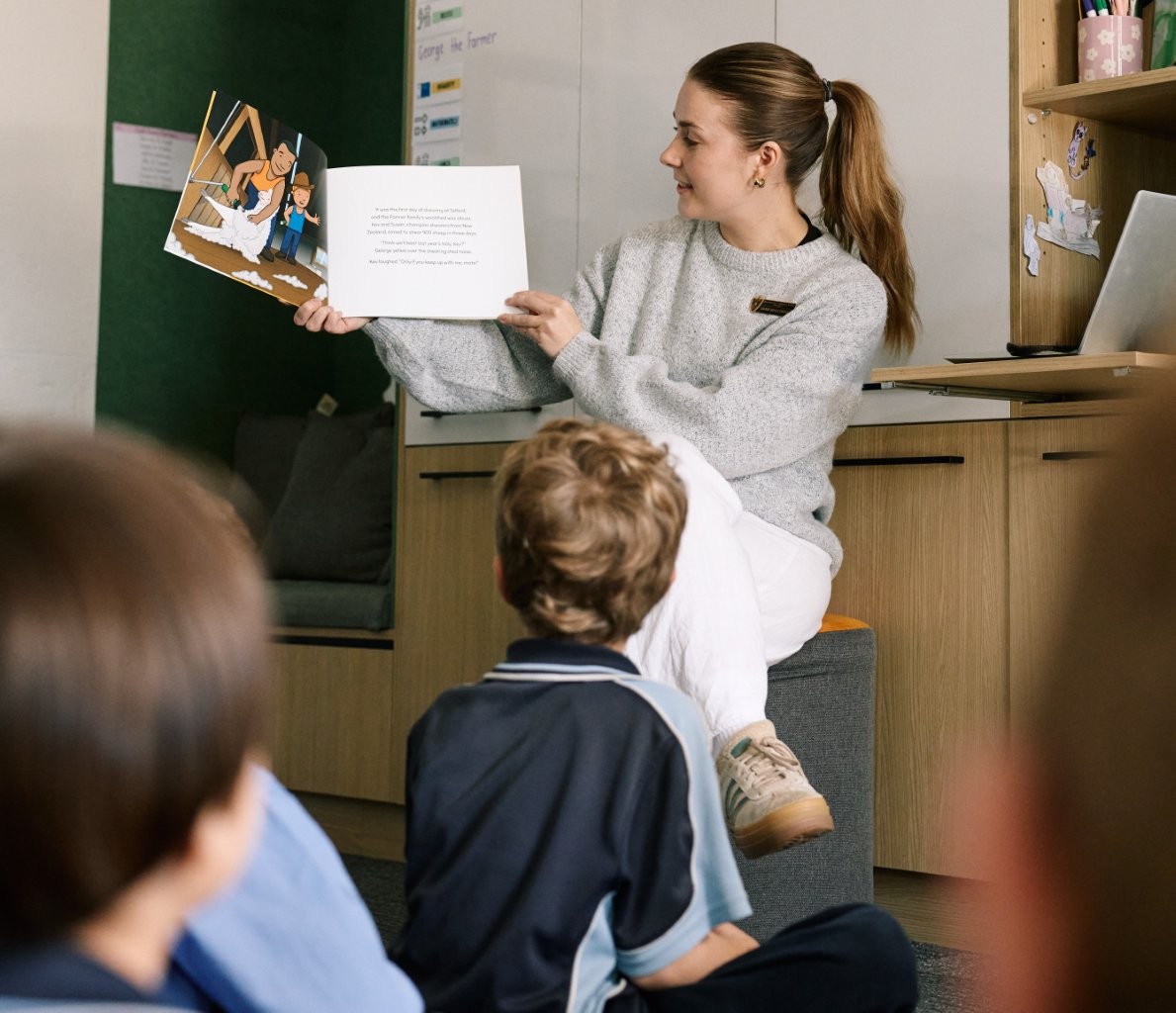
Ninety-six per cent of respondents in a recent George the Farmer survey reported that their books increased children’s knowledge of food, fibre and farming. PHOTO: Josh Geelen
Kain says with work underway to implement Australia’s National Schools Food and Fibre Education Strategy — an unprecedented collaboration between the nation’s 15 rural Research and Development Corporations aimed at strengthening how students connect with Australia’s $80 billion food and fibre sector – the research findings come at a particularly important time.
The Strategy seeks to build a more coordinated national approach to food and fibre education, including improving connections between schools and industry, supporting educators and increasing awareness of careers across the sector.
Kain was recently invited to contribute to the Strategy’s implementation work through a stakeholder interview with CQUniversity, drawing on her experience delivering agricultural education to primary school students through George the Farmer.
“We have an $80 billion food and fibre sector, yet we have children growing up without understanding some of the most basic connections between farms and the food they eat. That disconnect matters.
“The encouraging thing is that Australia is now looking at this nationally. This latest research reinforces why that work is so timely and why we need to make food and fibre education something children encounter throughout their schooling, rather than as a one-off activity.
“Parents, teachers, industry and government all have a role to play. We need to make learning about food and farming a regular part of children’s education, not something they only discover if they happen to grow up on a farm.”
Rather than placing the responsibility solely on teachers or expecting every child to visit a farm, Kain believes agricultural education needs to be made easy and accessible wherever children are learning.
“Not every child can visit a farm, and teachers and parents are already incredibly busy. We need to give them engaging, accurate and easy-to-use ways to bring the farm to children,” she says.
“That might be reading a story about how wheat becomes food, watching a paddock-to-product video about shearing sheep, singing a song about mangoes or using a hands-on classroom activity to follow a product from paddock to plate.
“Children learn in different ways, so the more touchpoints we can give them, the greater the opportunity to build that connection.”
To date, George the Farmer’s curriculum-aligned resources have reached an estimated 750,000 students in Australian primary classrooms, while the broader platform has reached more than two million children globally.
Kain says strengthening agricultural literacy is ultimately about more than children knowing where individual foods come from.
“If we can get this right, we’re not just helping children understand where their food comes from.
“We’re giving them knowledge that can help them make more informed choices about what they eat, building a generation of more informed consumers and opening their eyes to the enormous range of careers involved in producing the food and fibre we all rely on.”