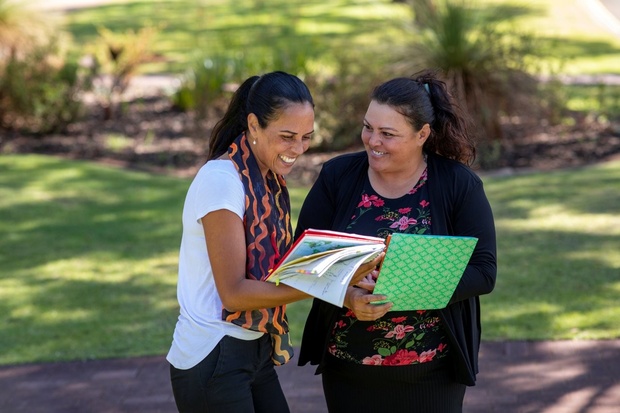

Their influence extends well beyond the classroom. First Nations educators help students feel seen and supported, strengthen relationships with families and communities, and bring valuable cultural knowledge and perspectives that enrich learning for everyone.
Building a strong First Nations teacher workforce is critical to the future of education systems in Australia. It is not simply about representation. It is about creating culturally safe and inclusive learning communities, improving outcomes for all students, and ensuring Aboriginal and Torres Strait Islander voices are present wherever decisions are made.
Because when Aboriginal and Torres Strait Islander teachers and leaders are visible across our schools, everybody benefits.
Representation creates belonging
Representation is often spoken about as an aspiration in education. But for Aboriginal and Torres Strait Islander students, representation is much more than that. It is about belonging, visibility, value and the opportunity to see themselves reflected in the people who teach and lead within their school.
When First Nations students see Aboriginal and Torres Strait Islander teachers in classrooms, leadership roles and across school communities, it sends a powerful message. It communicates to students that Aboriginal and Torres Strait Islander peoples and cultures are respected and valued, and that Catholic education is committed to inclusion and growing a strong First Nations teacher workforce. It also shows First Nations students that pathways into teaching and leadership within schools are possible.
At the same time, representation benefits every student.
Aboriginal and Torres Strait Islander educators bring knowledge, perspectives, and lived experiences that enrich learning for entire school communities. Their presence helps broaden understanding, challenge assumptions, and deepen appreciation of Australia’s shared histories, cultures, and contemporary Aboriginal and Torres Strait Islander experiences.
The impact extends beyond the classroom
Aboriginal and Torres Strait Islander educators bring a unique combination of professional expertise, cultural knowledge, lived experience, and community connection.
For Aboriginal and Torres Strait Islander students and families, this can strengthen trust, belonging, and engagement with school. There is often great significance in having someone who understands the cultural and social contexts students and families may be navigating, helping to foster authentic relationships between school, family, and community.
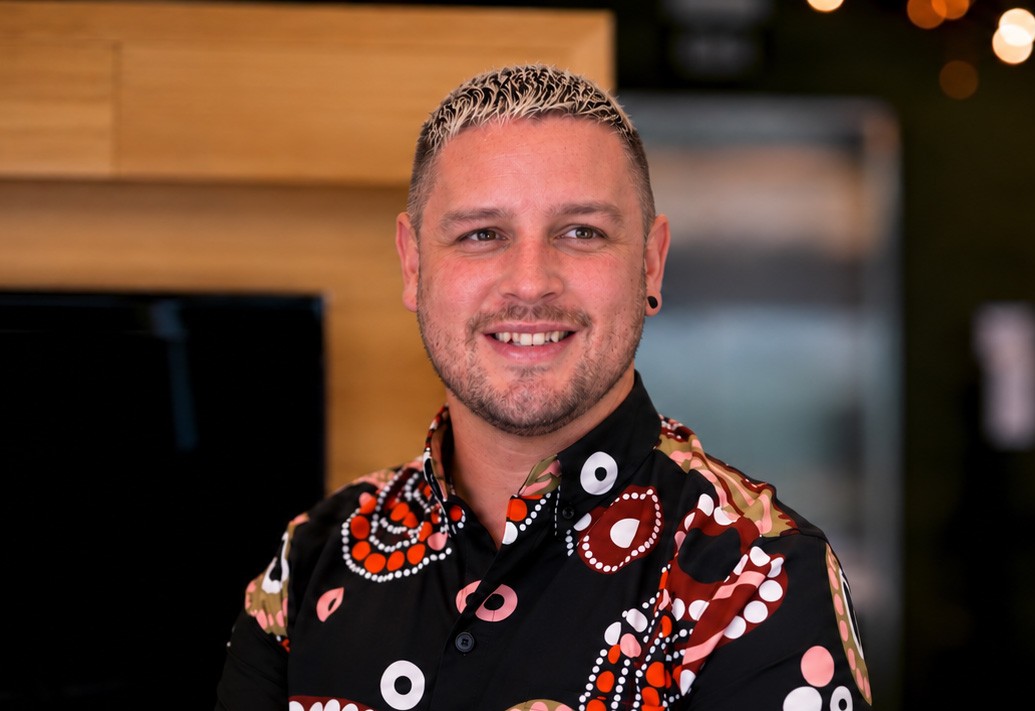
Bob Smith says the influence of Aboriginal and Torres Strait Islander teachers extends well beyond the classroom – they help students feel seen and supported, strengthen relationships with families and communities, and bring valuable cultural knowledge and perspectives that enrich learning for everyone.
This impact extends well beyond Aboriginal and Torres Strait Islander students, supporting schools to move beyond performative education where First Nations perspectives are only acknowledged during significant events or celebrations, and instead embedding Aboriginal and Torres Strait Islander perspectives authentically within teaching and learning, sustainable and reciprocal relationships, and the everyday life of the school.
Recruitment is only the beginning
There is growing recognition of the need to increase the number of Aboriginal and Torres Strait Islander people entering the teaching profession. However, recruitment is only one part of the story.
Instead, let’s first consider what enables people to stay and grow.
That means investment across the entire career pathway. It begins with encouraging Aboriginal and Torres Strait Islander young people to see teaching as a meaningful and achievable career. It includes supporting pre-service teachers, creating meaningful employment opportunities, providing culturally responsive onboarding programs, and ensuring access to mentoring and professional development.
It also requires schools to be culturally safe spaces for First Nations staff, where all educators and school leadership demonstrate a commitment to First Nations education across the school, and where the ‘cultural load’ is shared by all staff and not placed solely on First Nations educators.
Because the most effective mentoring provides both professional guidance and culturally responsive practice, it is important for First Nations peoples to have trusted people who understand the education system, while also understanding the cultural obligations and diversity of experiences of Aboriginal and Torres Strait Islander staff. This understanding and recognition can make a profound difference to confidence, belonging, and career progression of Aboriginal and Torres Strait Islander educators.
The future of education
Ultimately, when Aboriginal and Torres Strait Islander teachers and leaders are visible, valued, and supported, all students benefit. School staff and families benefit, and the whole school community benefits.
A stronger First Nations workforce helps us build learning environments that are more inclusive, more culturally responsive, and representative of the communities schools serve.
“Growing our First Nations educators and leaders strengthens representation, cultural capability and inclusion across our schools, creating richer learning communities for every student,” Trudi Lucas, BCE Head of Student Learning and Wellbeing, says.
“When young Aboriginal and Torres Strait Islander students imagine their future, we want them to see themselves at the front of the classroom and leading our schools. The educators we welcome today are paving the way for the teachers and leaders of tomorrow,” Kristy Harrison, BCE Manager People Strategy, Culture and Experience, says.