Indeed, some private schools are now asking parents to sign a code of conduct to try and stop abusive behaviour towards teachers.
Laws have been introduced in some states to give principals the power to ban abusive parents from school grounds, including those who are abusive in person, over email and phone or on social media.
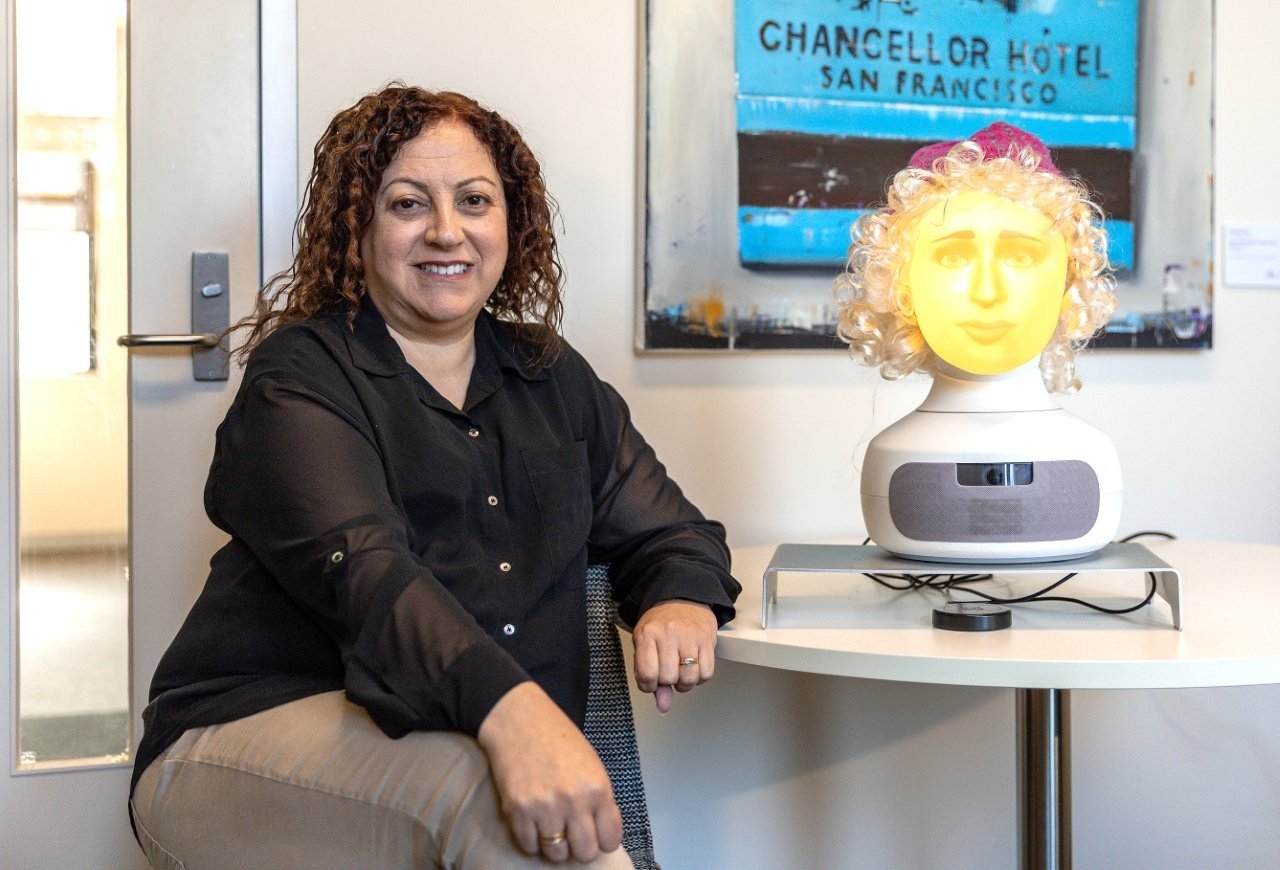
For teachers, face-to-face interaction with parents can be a significant source of apprehension and anxiety, and it’s with this in mind that researchers at La Trobe University have been developing an AI-driven robot to better prepare teachers to deal with challenging conversations in schools.
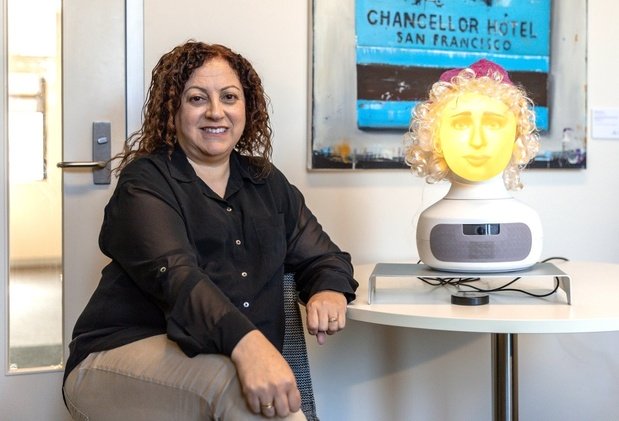
The talking “social robot” (known as Fletch) has been programmed to mimic a disgruntled parent and allows teachers to rehearse intense situations before confronting them in their workplace.
The latest Australian Principal Occupational Health and Safety Wellbeing Survey revealed that physical violence surged from 27.3 per cent in 2011 to 47.8 per cent in 2025. Threats of violence have jumped from 38 per cent to 54 per cent over the same period.
Other studies have showed that up to 80 per cent of teachers experience bullying or harassment from students or parents. This verbal and sometimes physical aggression on the part of parents is only increasing statistically, both in intensity and frequency, yet little formal preparation is available for those entering the profession, or even those already in the profession, who are looking for ways to better deal with problematic parents.
Lead researcher Professor Therese Keane, from La Trobe’s School of Education, says preservice teachers and those entering the profession receive little formal preparation for managing difficult or emotionally charged conversations with parents.
Short of actors or fellow students role playing agitated or combative parents, most teacher education courses can only provide textbook examples of various scenarios, difficult conversations and possible responses.
“This project addresses that gap by equipping preservice and early-career teachers with practical strategies and confidence to de-escalate challenging interactions, helping them enter the profession better prepared to build positive partnerships with families,” Keane says.
“It’s really about giving them the strategies, the tools, to have that very productive conversation.
“It’s not about winning an argument with a parent, it’s about keeping that relationship intact so everyone can get back to supporting the child. And that’s really the centre. That’s what we need to be focusing on.”
For several years Keane had been deciding on how to best utilise Fletch, but it wasn’t until she did some work with Worksafe Victoria last year, and witnessed the types of verbal and physical aggression that teachers and educators, particularly in Government schools are being subjected to, that she saw where the tech might be best harnessed.
With very little reporting or written documentation about this issue, and scant record of intervention, she realised it could be a great opportunity.
To prepare the robotic tool, Keane’s team separately interviewed 20 highly experienced educators, principals, deputies and year-level coordinators, all who had been in the classroom for 15 plus years.
“We ended up collecting 176 different cases of interactions with parents and from there, we sorted through each one of them, analysed them, and grouped them into 10 different categories.”
Essentially, ITE students are given a generic understanding of a scenario, the robot starts the conversation and the teacher can then steer it in whichever direction they want it to go.
Eye tracking glasses are used to encourage young teachers to remember to look parents in the eye.
“We’ve got a booklet with 12 steps on strategies, and they include anything from responding promptly, preparing before the meeting, listening before responding, keeping the child’s best interest at the centre and particularly towards the end, how to close it, how to manage unexpected confrontations and making clear factual notes.
“There’s also reflecting on the conversation, learning from the conversation and improving. They need to make sure they follow the school’s policies and procedures first and foremost.”
To have this sort of interaction in a safe and controlled environment is an exciting development with huge implications for future ITE programs.
“It’s all recorded and then analysed,” Keane says.
“It might be you go through the conversation and say, “in this instance you probably could have responded in this way’ or ‘you did really well here, this is escalated, this is de-escalated, this is what we’re looking for’.
“So it’s assessed and the preservice teacher gets a really clear idea of how they’ve responded, how well they’ve gone and then would it be something that we would do in a range of scenarios over a period of time so that they’re really broadly trained in the different responses and different kind of attitudes and concerns of parents.”
Recently retired principal Henry Grossek saw the rate of verbal aggression against teachers escalate during his 57 years in Melbourne classrooms.
A big fan of the project, he says Fletch will provide teachers with a valuable chance to learn to de-escalate emotional situations before they are faced with one in real life.
“This is a skill that teachers new to the profession need to practice in a safe and non-threatening environment,” Grossek says.
“Fletch gives all teachers a chance to build their confidence and clear messaging before they get to the classroom.”
As someone at the forefront of robotics in education research, Keane is ‘cautiously optimistic’ about the inclusion of these types of tech tools and innovations in the schools of the future.
“I’m excited in the sense that the stuff out there, as they converge, I think they can be powerful, but they need to have a purpose in the classroom and we can’t just put them in just because they’re brand new, shiny and available.
“We need to have a context of why we’re putting them in, why the students need to have it. If it’s just a substitute, say, to pen and paper, why have it?”
Fletch is set to be rolled out in several schools in Melbourne, however Keane hopes to expand the research to include its potential application in nurse patient and retail worker/customer scenarios.