In particular, the University of the Sunshine Coast study found that in high school, technologies subjects – which the national curriculum expects students to study from Year 7 to the end of Year 9 – were often only offered as electives from the first year of high school.
“This is concerning because it potentially limits children getting early access to STEM education and pathways,” lead author Dr Natalie McMaster says.
“Developing a country’s STEM capacity is vital for economic growth, technological innovation, and addressing complex global environmental and healthcare challenges.”
The findings build on a study of an innovative UniSC program in Sunshine Coast primary schools that found many children were deciding as early as Year 5 if they were keen to pursue a future in STEM – or not.
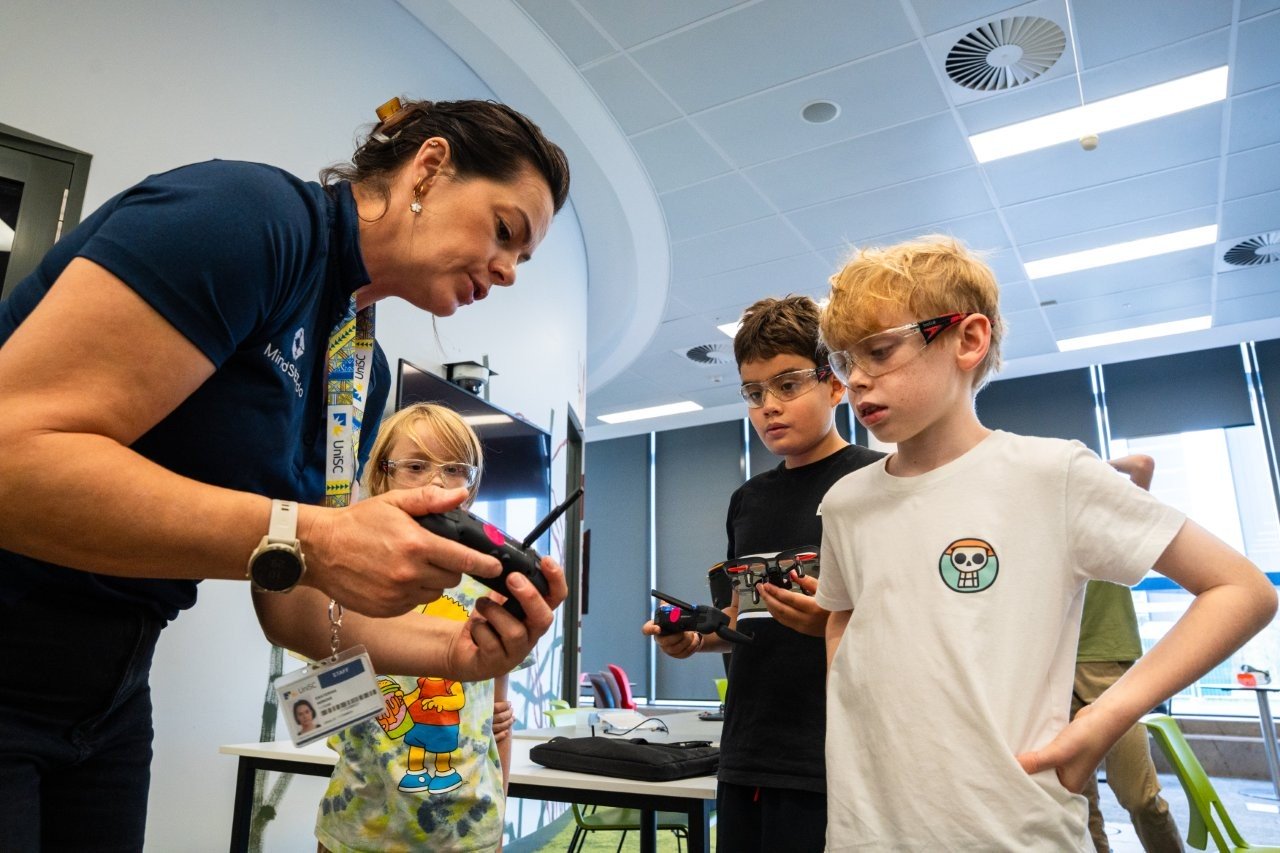
McMaster says participation in the MindSET-do program, which is ongoing in 20 schools, shows that early exposure to STEM significantly enhanced younger children’s confidence and interest, especially among girls.
“Girls showed noticeable improvements in their confidence with coding and technology-related tasks, which are critical factors for long-term engagement with STEM,” the education researcher says.
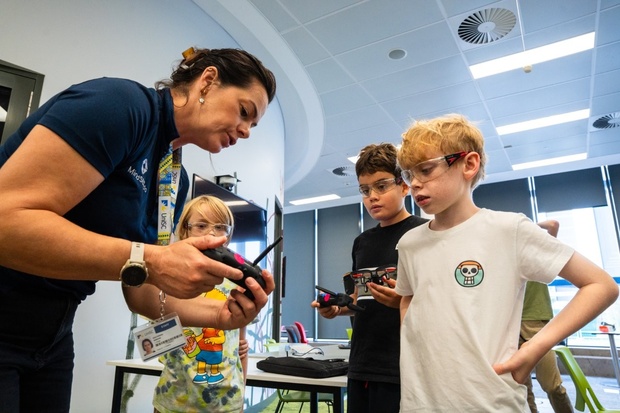
“Boys, while also benefiting from the program, demonstrated greater intrinsic enjoyment in hands-on activities like drone programming.”
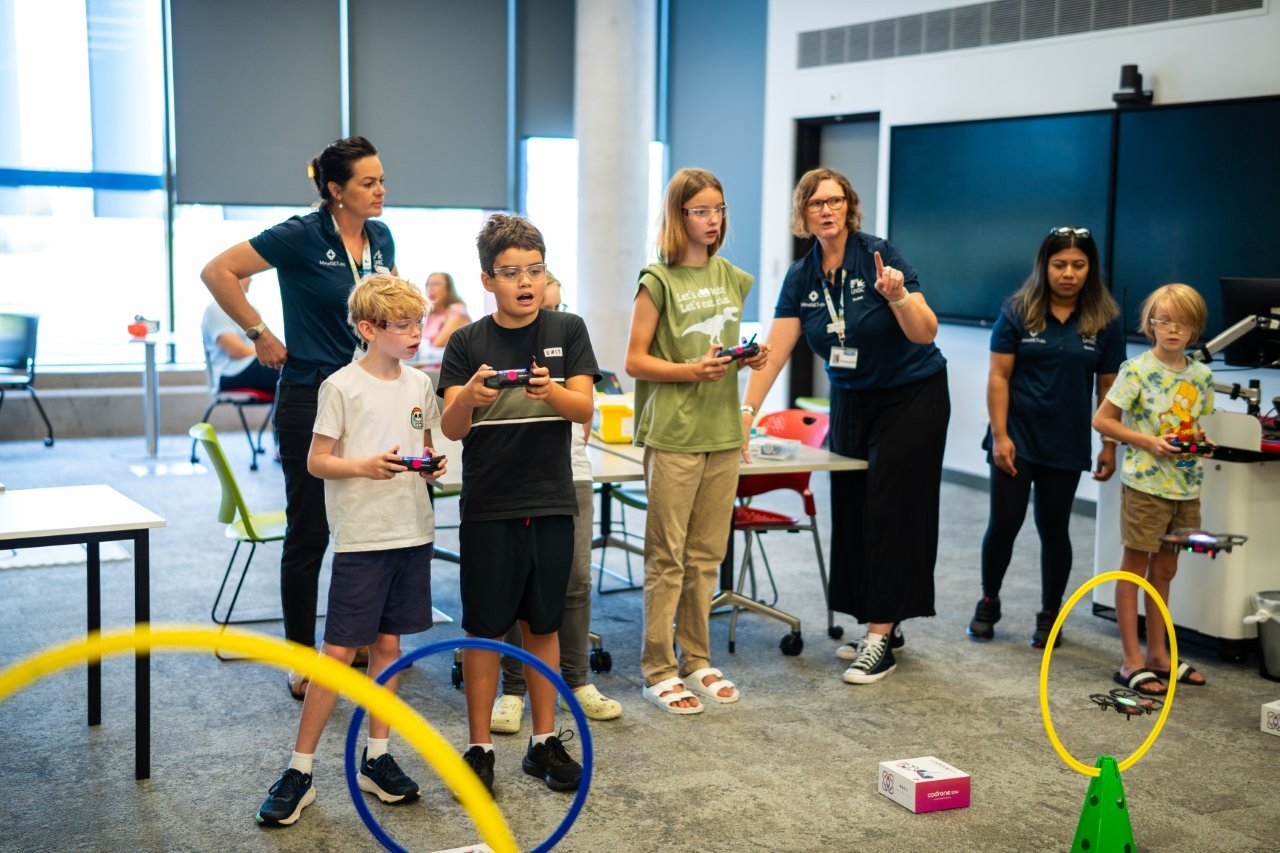
Participation in the MindSET-do program is showing that early exposure to STEM significantly enhances younger children’s confidence and interest, especially among girls. PHOTO: UniSC
The hands-on program works with students from Years 4-10 across regional and rural communities to encourage sustained interest in STEM study and pathways.
The study, in partnership with Sunshine Coast Council, also found that parents can have more influence than teachers on children’s preferences for STEM.
UniSC Associate Professor Margaret Marshman says studies to boost STEM education were vital to address future workforce demands.
“We’ve seen STEM occupations grow twice as fast as other jobs across Australia in the 20 years to 2021, while the proportion of women in STEM careers has declined to fewer than 10 percent,” she says.
Associate Professor Michael Carey, who co-authored the report, has called for systemic change to ensure students learned and practised STEM activities as early as Years 4 and 5.
“We also recommend that schools and councils strengthen pathways by involving parents earlier in career planning through structured workshops and resources,” he said.
“High school may be too late for some children who could potentially become skilled STEM professionals.”
Dr Kimberley Wilson, a senior lecturer in curriculum and pedagogy at the University of Sunshine Coast, is part of a team trying to develop self assurance in beginning primary teachers in teaching STEM.
“There’s always been a lot of research out there that suggests that primary teachers often lack a bit of confidence when it comes to teaching STEM and so sometimes they shy away from that,” Wilson says.
“We have a STEM specialisation and I’m all about bridging that lack of confidence and showing that you can do this.
“Our students get very excited when they realise they can do it, and that’s what we want them to take out in to their classrooms.”
Wilson says it’s also showing them that they don’t always need fancy equipment.
“Sometimes teachers are thinking ‘oh, I have got to have these big kits to be able to do it, so we do a lot of things with things that teachers, or parents at home who are homeschooling, could find around the house.
“It’s showing them that STEM isn’t necessarily these kits, it’s a mindset, it’s a way of doing things.
The lecturer insists you can do amazing things with a piece of paper and an aeroplane challenge.
“It’s just making it really accessible, making it fun and just even getting our undergraduate students over that fear of failure. Get them realising that what they do in the classroom is about getting their students excited as well.”
MindSET-do is now in its seventh year and Sunshine Coast Mayor Rosanna Natoli says the regional partnership agreement between UniSC and Council will have great benefits for the region and its workforce into the future.
“It is so important to work together to increase student interest in STEM subjects and inspire our younger generations to pursue fulfilling careers that can make such a difference, and which are being developed right here on the Sunshine Coast.
“Our future prosperity relies on our young people taking up this challenge with passion and commitment.”