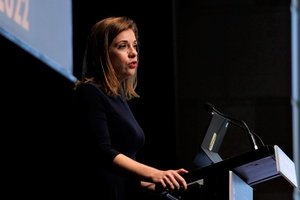
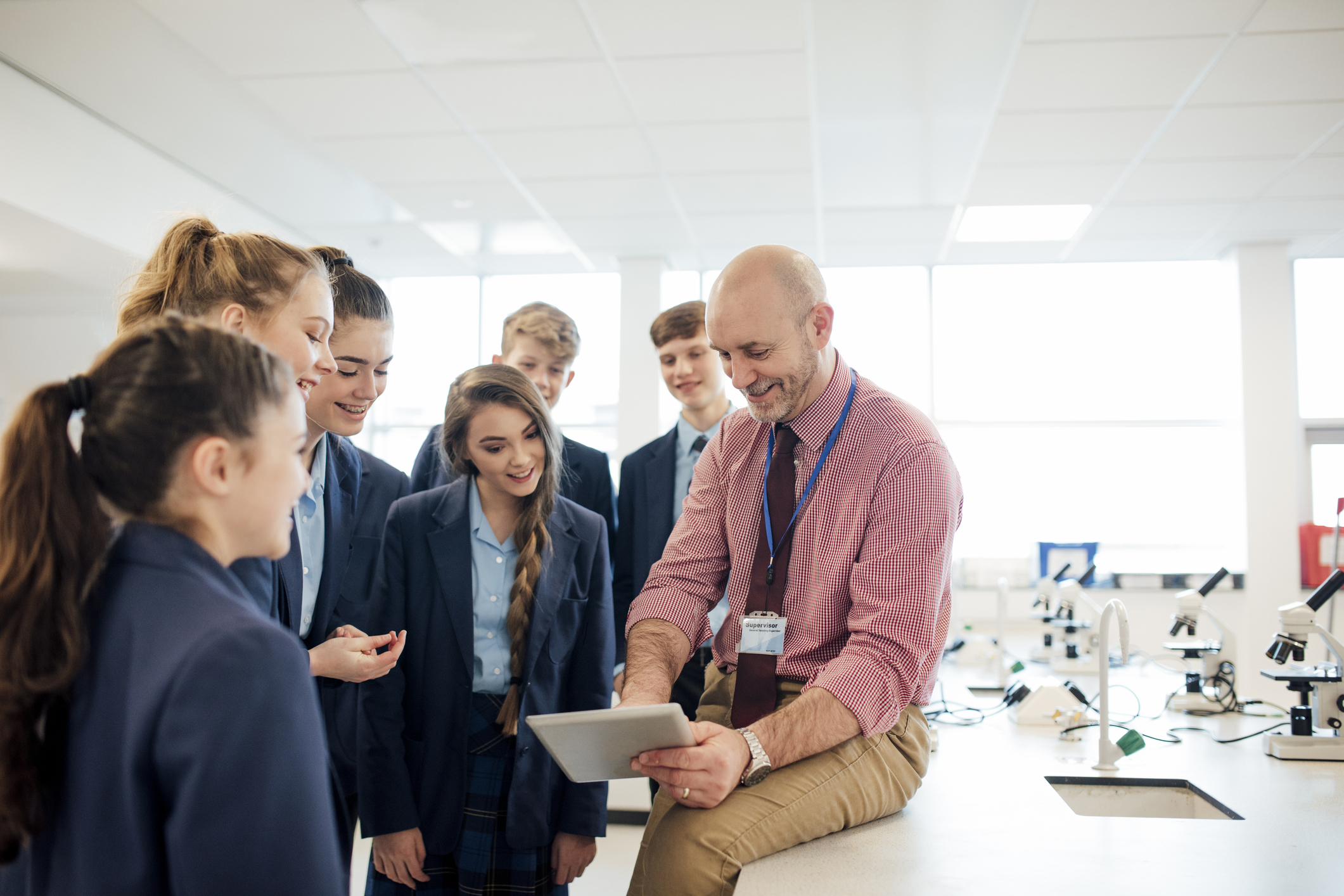
Professor Miriam Tanti, co-director of the AI Institute at La Trobe University, led the guide’s development and says the practical resource is really covering new ground.
“I certainly can say that we haven’t come across anything like it,” she tells EducationHQ.
“And it’s not just the marrying together of the science of learning with Gen AI, but we’ve taken it one step further and have created classroom examples, these rich, real vignettes of what it looks like in practice.
“And we’ve done that for several subject areas. So, it’s not just theory, it’s ‘this is what it looks like in your classroom’.”
Aligned with research from cognitive science, educational psychology and neuroscience, the guide hones in on four areas where AI can be used to deepen learning: attention and cognitive load, memory and knowledge, transfer and problem-solving, and metacognition and self-regulation.
Earlier this year Professor Leslie Loble warned that the excessive and unstructured use of AI in Australian schools risks derailing students’ acquisition of foundational skills and knowledge and is setting young brains up for atrophy.
The chair of the Australian Network for Quality Digital Education voiced concern that AI might be robbing students of the ‘virtuous effort’ that lies at the heart of learning.
“It gives us this surface-level sense of mastery, because we can look it up and it produces something, it makes us, and certainly students, feel that they’ve then mastered it.
“And the risk is that they accept the AI output uncritically, and more importantly, perhaps, that they bypass the mental effort that is absolutely required for that long-term lasting memory and is the foundation from which we build our further knowledge and understanding,” Loble told EducationHQ.
Tanti says her team shares this concern.
“The risk is not that GenAI does the cognitive work that builds knowledge (it cannot); it is that GenAI removes the need for the student to do it, and that work is where the learning happens.
“This is what makes GenAI both educationally significant and educationally challenging in ways that earlier technologies were not…” the guide states.
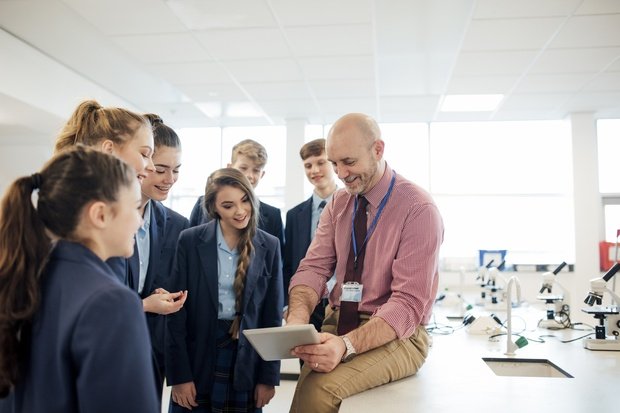
Drawing on examples across Science, PDHPE, English and History, the free resource shows how GenAI can be used by teachers – from using a general AI chatbot to help manage student attention and cognitive load, through to creating an agent as a way to foster self-regulation and retrieval.
And because chatbots and agents log every exchange, it also makes student thinking visible – turning the dialogue between learner and AI into diagnostic evidence teachers can use to assess understanding.
“We have been working a lot with teachers in schools across multiple states, and what we’re finding is that AI is predominantly being used as a productivity tool – teachers are using it for their own work, which is not a criticism, we would expect them to do that.
“But what we saw far less of was them actually using it in ways to amplify student thinking for learning, and that’s been the real impetus and drive for us to create the guide,” Tanti explains.
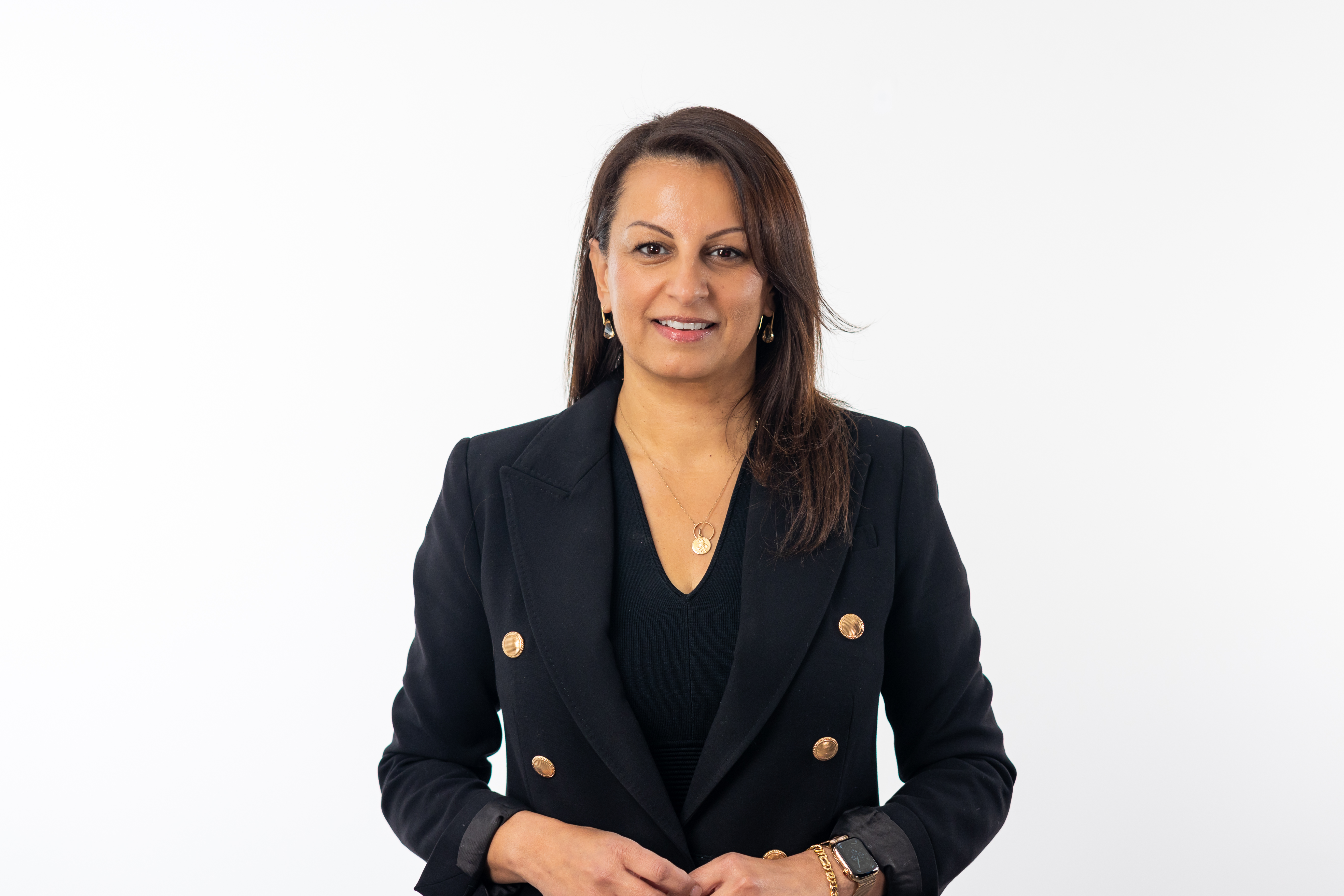
Professor Miriam Tanti says the next iteration of the guide will be focused on using agentic AI in the classroom.
One secondary teacher from Melbourne has flagged that AI has become the “bread and butter” means of dealing with excess workloads and Department bureaucracy.
“We have to do compulsory lesson plans on Compass, which is our digital platform, and teachers see that as a complete waste of time and so they usually use AI to construct their lesson plans because they don’t have time.
“I think AI has allowed teachers to circumnavigate the problem that government fails to address, which is our horrendous workload – and so while they won’t admit it openly, they will use AI and sort of go back on their morals for the sake of [making it through].”
According to Tanti, students are busy learning how to use AI largely through their own experimentation.
“And that is when students are more likely to cognitively offload or cognitively bypass (the learning process).
“[The guide explains how to implement] really scaffolded, intentional use of AI in classroom scenarios to extend or to supercharge their thinking.”
The expert says students also need explicit instruction in how to critically evaluate AI-generated content, including checking claims and verifying sources.
This should be an essential part of all classroom practice and not treated as a bolt-on to digital literacy, she adds.
“AI can produce really fluent, confident, textual responses, that we can’t always verify. The perfect example is that you might pop a question into a chatbot and it will produce this great response with links.
“But in actual fact, the way that a chatbot works is purely about pattern recognition – the links are actually not connected to the text that is provided.
“So, one of the really critical habits, and that’s best built in the moment, is to ensure that students go outside AI chatbots to verify the sources and to ensure that it is accurate – that is a critical digital literacy skill that should be integrated as part of the lesson,” Tanti says.
The guide is by no means a static resource, she adds.
“This is a living document and we imagine that as the technology evolves, it’ll continue to evolve as well. So we are looking at the next iteration of this document being agentic AI.
“So, we want to continue working and collaborating with schools, with teachers, so that this becomes a core part of evidence-informed, effective practice.”
Yesterday, Prime Minister Anthony Albanese unveiled the Government’s plans to establish an Office of AI within his own department, along with the creation of new national standards for AI.
Speaking at the University of Sydney, Albanese declared that AI was “a bigger challenge and a bigger opportunity than social media”.
“No government can turn back the clock or press pause on all of this. Nor would we want to. That would only mean cutting ourselves off from the opportunities that are there to be seized,” he said.