The Australian Professional Teacher Standards, which were adopted 15 years ago and have not been updated since, have faced growing scrutiny and criticism in recent years.
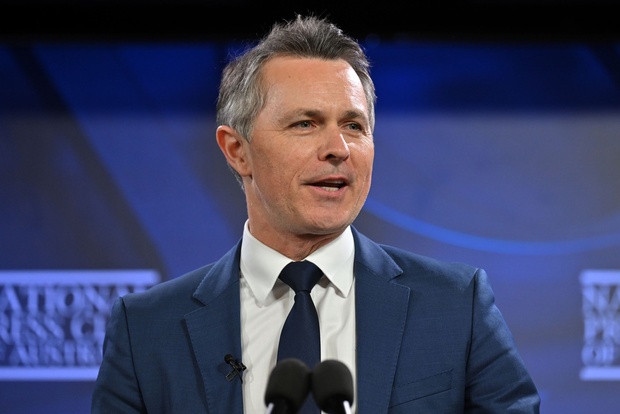
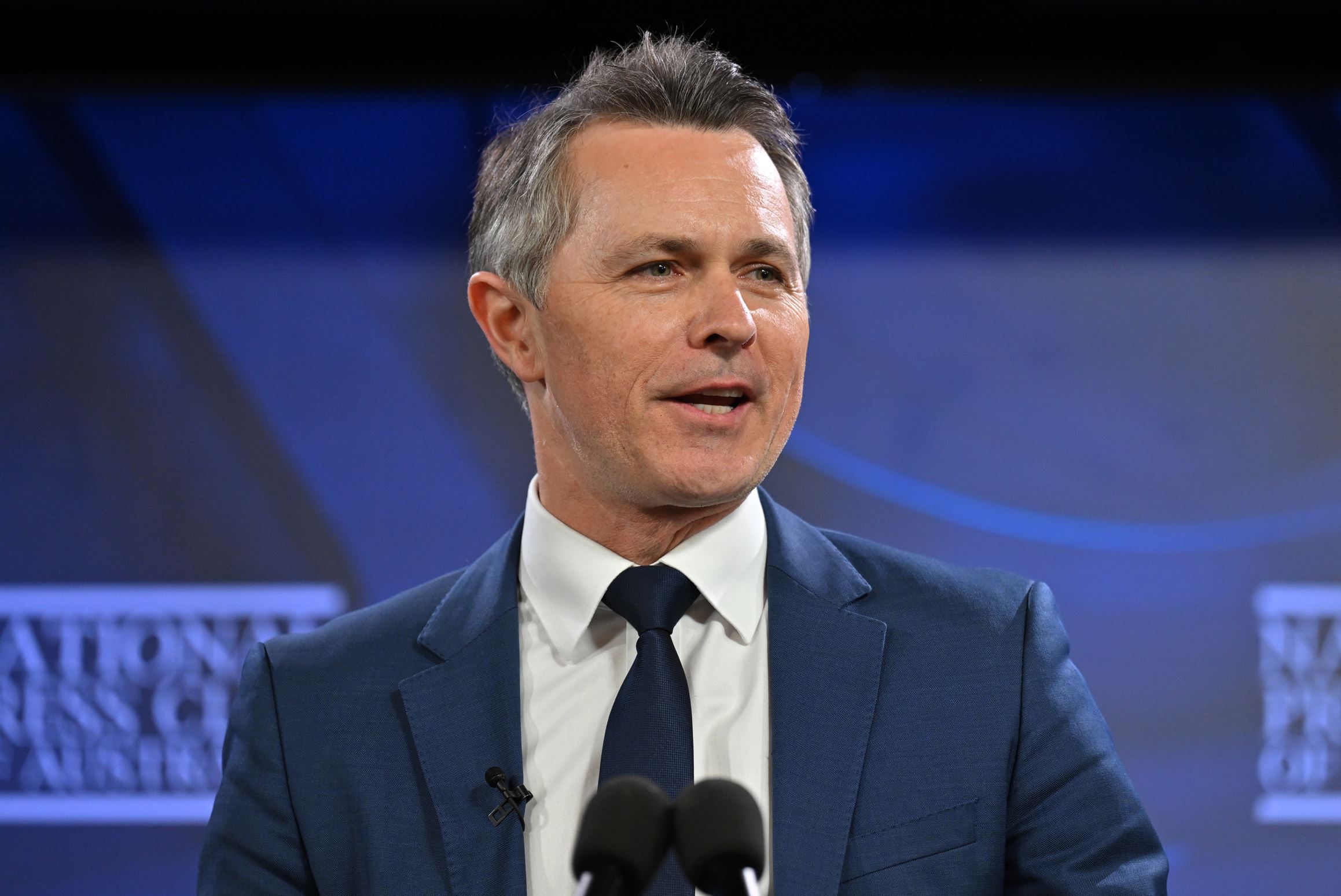
“It’s time we took a look at the Teacher Standards,” Federal Education Jason Clare declared following a ministers’ meeting last Friday.
“We need standards that reflect what’s going on in the classroom today, that back in teachers and support great teaching.”
Last year NSW school leader Rebecca Birch argued they were ambiguous, vague and out of touch with the evidence about what works best in teaching and learning.
Birch said the standards now function as a ‘blank canvas’ when it comes to defining best practice, by inviting a host of unhelpful interpretations from initial teacher education (ITE) and PD providers.
“I think they read like a bit of a shopping list, rather than the setting of a standard,” Birch, director of research and practice at a K-12 independent school in Sydney, told EducationHQ.
Over the years Birch has worked her way up the accreditation system and has supported others in navigating the professional standards.
She said it had become abundantly clear “how lacking in quality of detail they are”.
“So really, you can ascribe any ideology, any philosophy onto the standards, and the standards don’t push back on that in any way.”
And while they might successfully capture the breadth of a teachers’ role, Birch said as far as informing professional learning or ITE coursework goes, the standards aren’t very useful at all.
“And that has big knock-on effects for things like initial teacher education, where institutions can choose where to place their emphasis, they can choose to [focus on] some of those redundancies … for example, on differentiation.
“I think they were written for a different time when I don’t think the evidence about teaching and learning was as well known or accepted,” she added.
Professional development also ought to be aligned to new standards to better bolster teaching quality across all career stages, Birch also proposed.
“At the moment, there’s no imperative to make professional learning aligned with evidence, because the standards don’t force anyone to do that – they just allow a lot of choice, when we know that some practices actually do work better for students than others.”
Others questioned the announcement and who has a say in the changes, with Deakin University PhD candidate Tom Mahoney posing on LinkedIn, ‘who does it really benefit to ‘update’ these? Where is the evidence (other than opinion) that updating these will bring about real educational change?’
In 2023, a part-time casual teacher from NSW wrote a paper calling for the standards to include personal attributes such as motivation and resilience to better prepare aspiring educators for the harsh realities of the job.
Steven Teng concluded the standards were reductive and presented only a ‘tick box’ checklist of epistemological skills that cover required knowledge and content.
Teng said soft skills, including interpersonal skills, motivation, self-efficacy, resilience and adaptability should be added to ensure those entering the profession are buffered against burnout and have a more holistic toolkit to succeed long-term in schools.
“It’s one thing for teachers to know the content very well, to be able to manage behaviour, but if they’re not motivated and have low levels of self-efficacy – they don’t feel they can do the job – that can really defeat the teacher, and that can make the teaching quality actually very poor,” Teng told EducationHQ at the time.
According to the educator, personalities that are not highly driven and enthused for the craft will crash and burn when faced with workload demands and the classroom challenges that now come with the job.

Curriculum reform will also swing into action, beginning with F-2 maths.
The AITSL standards have provided teacher accreditation in Australia since 2012 and outline specific teacher knowledge and skills that “guide professional learning, practice and engagement … and contribute positively to the public standing of the profession”.
Education ministers also agreed to establish a new Australian Teaching and Learning Commission, which will bring ACARA, AITSL, AERO and ESA under the one roof.
The Federal Government says this will allow for greater coordination between curriculum, teaching, assessment, research and reporting, with “the whole being greater than the sum of its parts”.
A working group will outline a potential design of the Commission to ministers in February, which will reportedly involve consultation with teachers, school leaders, First Nations people and unions.
Curriculum reform will also swing into action, beginning with maths.
On the advice of ACARA, a targeted review of the F-2 maths curriculum will be prioritised.
“This is keyhole surgery to improve the parts of the curriculum that need it most,” the Government noted.
“These curriculum reforms are about making sure we can prioritise key parts of the curriculum while responding to the feedback teachers have given about workload.”
Clare said when it comes to maths in the first three years of school, every moment counts.
“How maths is taught is really important. It is cumulative. You learn it step by step,” he said.
“A number of principals and teachers have told us the current maths curriculum is too complex.
“Others have told us teachers need more support to implement the curriculum, with clear advice on what to teach in what order.
“That’s why we’re bringing forward work on the current maths curriculum for the start of school and creating better materials to help teachers.”
Last month Dr Ben Jensen, CEO of education research consultancy firm Learning First, warned that Australian schools were being let down by our national curriculum, which is poorly sequenced, poorly structured and ‘an inch deep and an inch wide’ when it comes to content knowledge.