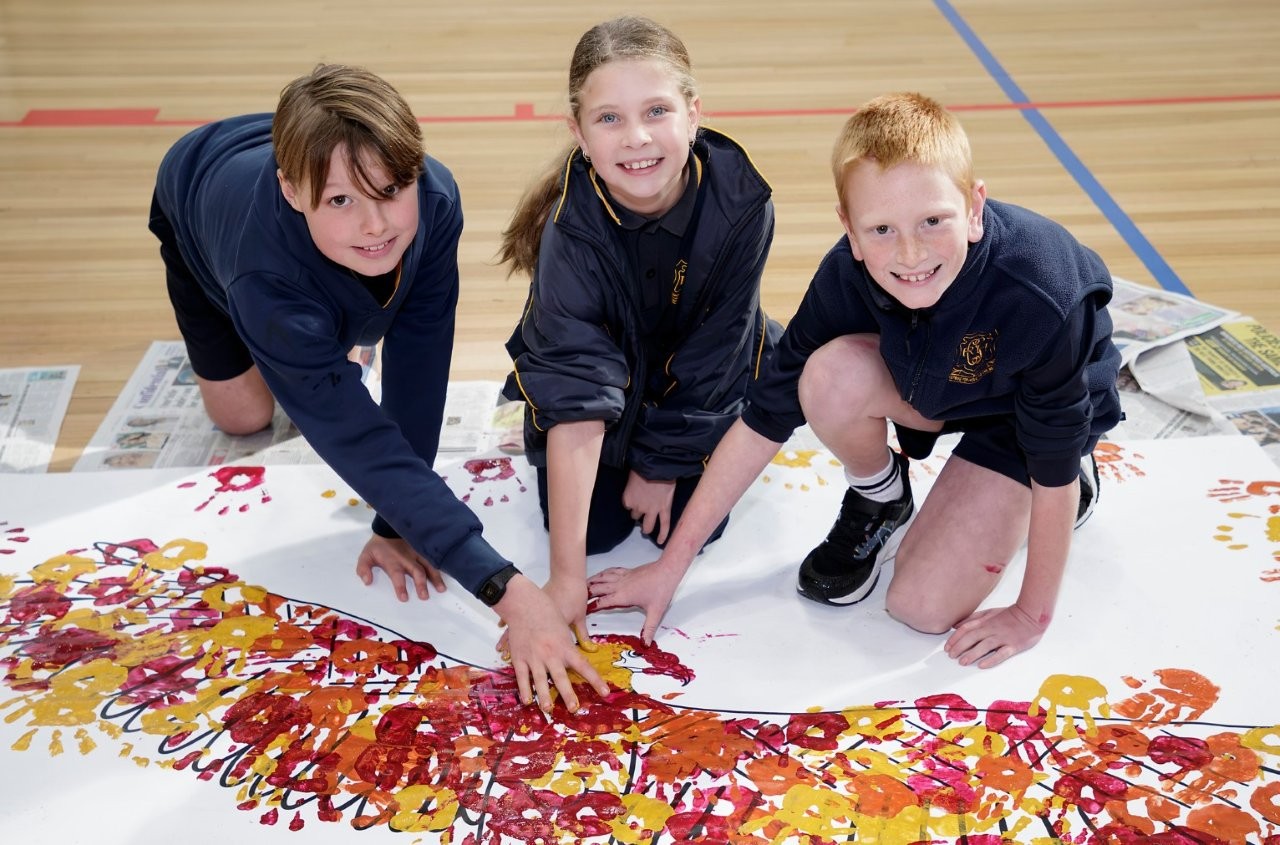
Research by Edith Cowan University (ECU) and the University of Melbourne examined the Deadly Arts Early Years program offered by The Song Room and delivered across two Perth primary schools.
As part of the program, children aged three to seven learn Noongar language, dance, storytelling and art through immersive cultural activities led by Indigenous and non-Indigenous teaching artists.
“One of the most powerful parts of this research was seeing how naturally children expressed their feelings through art and storytelling,” VC Professoriate Research Fellow at ECU’s School of Education, Professor Narelle Lemon, says.
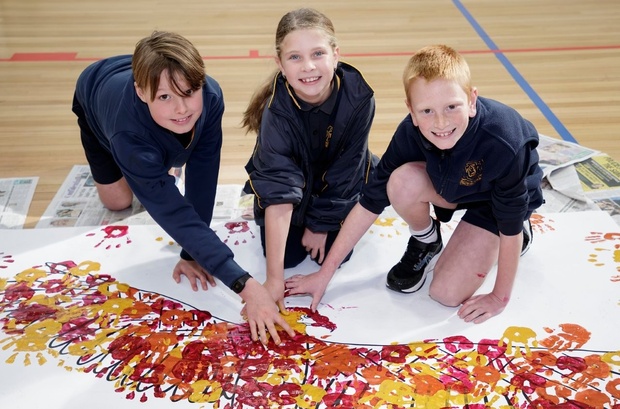
“Rather than relying on surveys or formal interviews, we invited children and teaching artists to draw how Noongar culture and arts supported their wellbeing and then share the stories behind their drawings.
“For young children, this opened up deeper and more emotional responses. It also reflected Indigenous traditions where knowledge, identity and feeling are shared through creativity, story and connection to Country.”
Senior lecturer at the School of Education and project lead, Dr Jason Goopy, says the research identified four key themes of how Noongar culture and arts supported children and teaching artists to intentionally comprehend and create wellbeing experiences and outcomes.
The study found that song, dance, art and storytelling were living carriers of cultural knowledge, with Noongar language as one of the most powerful experiences of Country.
Intergenerational storytelling was understood as a profound cultural responsibility, with Indigenous teaching artists sharing katitijin (knowledge) on their own terms and nurturing children to see themselves as future custodians of these stories.
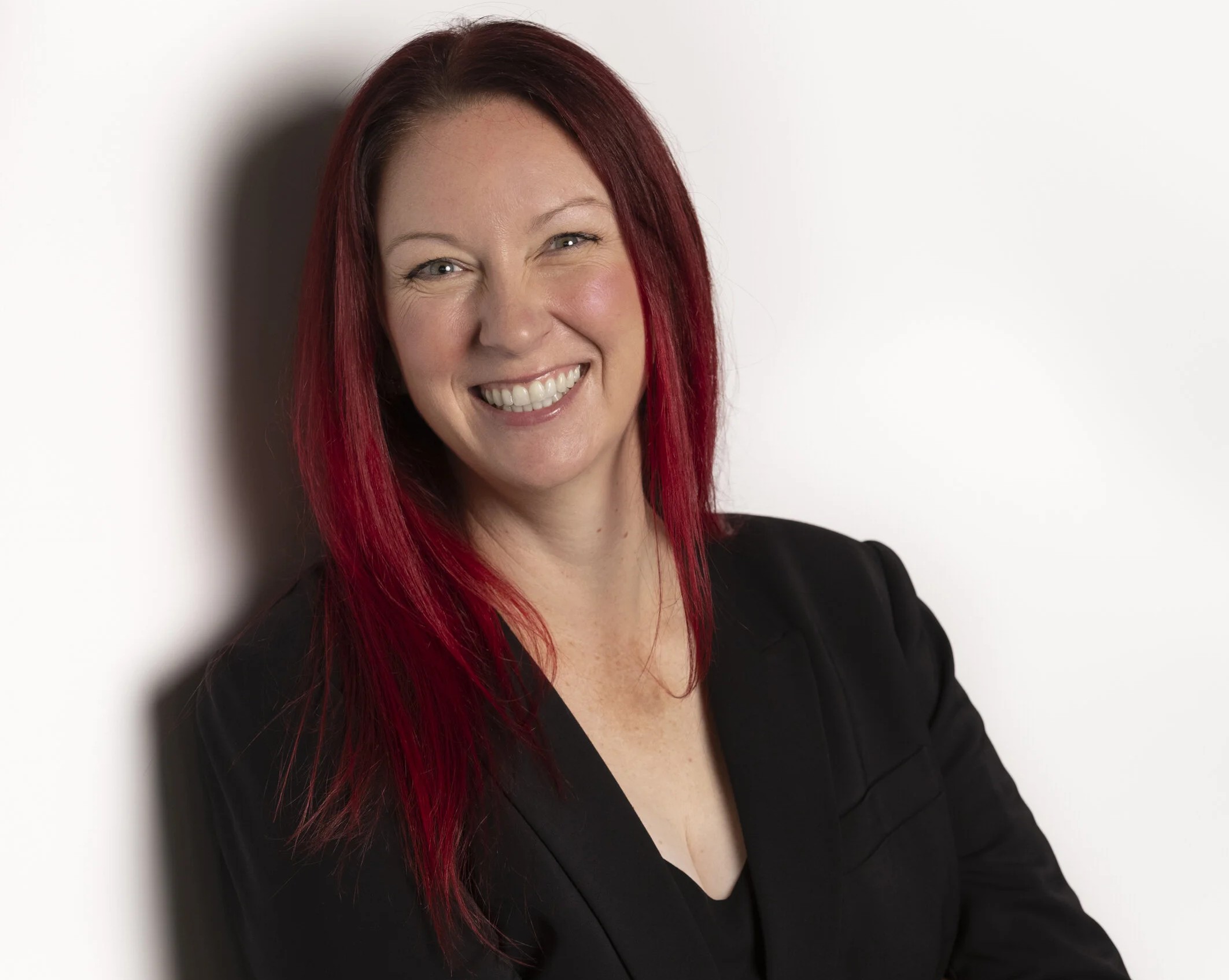
Professor Narelle Lemon says one of the most powerful parts of her team’s research was seeing how naturally children expressed their feelings through art and storytelling.
Sharing emerged as a core cultural and wellbeing practice with participation in the program strengthening community and children’s sense of belonging to each other and Country.
For Indigenous teaching artists, the program held significance for healing, enabling them to reclaim and revitalise cultural practices, with reconciliation emerging as a lived relational practice among teaching artists, children, and school communities.
“It was heartening to witness the growth and joy of children’s wellbeing literacy when they engaged with Noongar culture through creative practices with teaching artists,” Goopy says.
“Through shared song, dance, art and storytelling, young children explored and embodied Noongar knowledge in meaningful and practical ways, learning about seasons, animals, and their place in the universe.
“They were engaging and building connections with Country, each other and the community.
“Children were afforded cultural and artistic knowledge and language to extend how they communicate about and for their wellbeing.”
The report makes a series of recommendations aimed at authentically infusing Indigenous cultural knowledge within schools.
Associate Dean within ECU’s Centre for Indigenous Australian Education and Research, Kurongkurl Katitjin, Dr Libby Jackson-Barrett says there is a strong need for Indigenous teaching artists to be recognised as permanent knowledge holders rather than guest performers, with appropriate funding and remuneration reflecting the demonstrated impact of Noongar cultural arts programs on children’s wellbeing and learning.
“First Nations culture and arts offer bidi (pathways) to children’s flourishing that generic wellbeing programs cannot replicate, with songlines and cultural practice providing a richer framework for understanding children’s emotional, social and cultural wellbeing,” Jackson-Barrett says.
“When children heard, spoke and sang in Noongar language, they weren’t simply learning words, they were taking part in a living cultural practice grounded in relationality carrying story, belonging and knowledge across generations.”
Even very young children showed thoughtful and deeply personal ways of expressing wellbeing when given the cultural framework and creative freedom to do so, according to the academic..
“That’s why these programs matter so deeply, and why Indigenous teaching artists must be recognised and supported as the cultural and educational knowledge holders they are.”
The Song Room CEO Alice Gerlach research was yet more evidence of the importance of a cultural connectivity to learning.
“This case study is a powerful reminder of why The Song Room’s work is so important,” she shares.
When First Nations artists guide children in their learning, something remarkable happens – children find new ways to express who they are and where they belong. Hearing the honesty in their voices and seeing their stories come to life strengthens our resolve to ensure our work remains culturally grounded, relational, and genuinely responsive to children’s experience,” she said
To read the full report, ‘Noongar culture, arts learning, and wellbeing literacy in early childhood: A case study of The Song Room’s Deadly Arts Early Years program in Western Australia government primary schools’, click here.