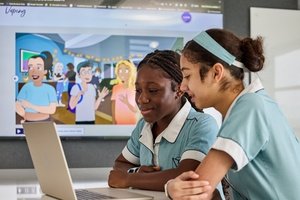


As part of the National Assessment Program - ICT Literacy 2025, more than 10,200 students in Years 6 and 10 were asked last year to complete tasks including editing blog posts, analysing data to troubleshoot a website and building a webpage to promote an event.
In its report on the results, published on Wednesday, ACARA found “significant declines” in proficiency attainment for Year 6 students across Australia compared to the last round of tests in 2022.
For students in Year 10 around the country, just 37 per cent exceeded the proficient standard for ICT literacy (down from 46 per cent in 2022), the lowest since the assessment was first conducted in 2005. Some 50 per cent of Year 6 students were proficient (down from 55 per cent).
But rather than standards declining, digital literacy experts from La Trobe University say it’s more that as a nation we’ve stagnated, and while the current generation of students might be highly digitally immersed, they are poorly digitally educated.
What’s more they say, students here are taught by teachers who feel unprepared to teach the subject, in a curriculum that has no clear home for it – with all of this compounded by structural inequity that the test results reflect, but that no amount of curriculum reform alone will fix.
“It’s one of those wicked problems, because it’s something that we’re all part of, is this huge constant churn and change in technology and the way it impacts our lives, all of our lives,” Dr Stefan Schutt tells EducationHQ.
Schutt teaches digital literacy and is a senior lecturer of Learning Design (ICT/Digital) at La Trobe’s School of Education.
“We’re all trying to make sense of it, and at the same time, we’re also trying to be able to provide guidance to young people,” he says.
“It’s a societal problem in some ways, and one of the tendencies that can happen when you get these big issues, is they tend to be outsourced to teachers to try and solve, whereas really, it’s a broader issue that involves all of us.”
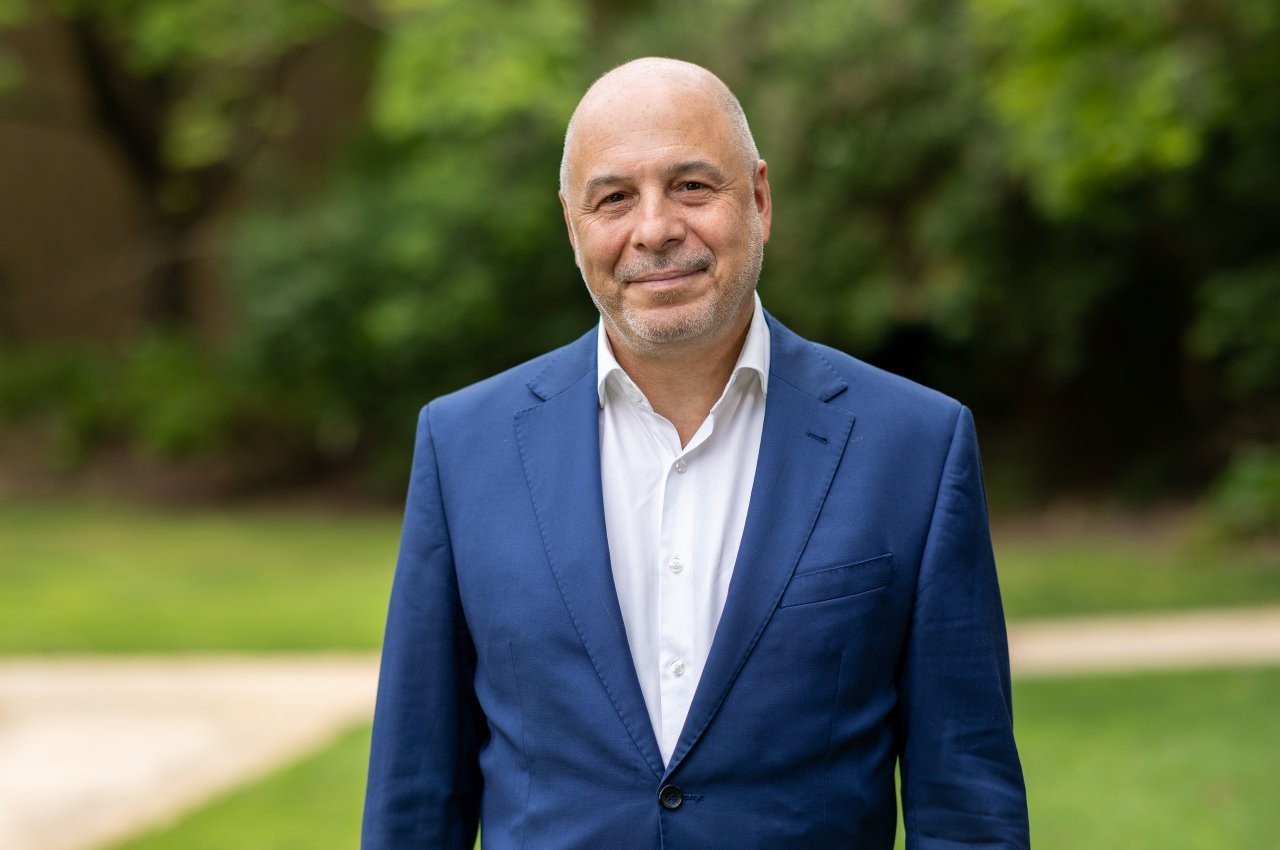
Dr Schutt says what is most important, is that teachers don’t put issues surrounding digital learning and literacy into the ‘too-hard basket’.
Schutt says it’s clear that schools and society more broadly are not adequately developing students' high-order digital capability, enabling them to evaluate that information and to think critically for themselves.
Students, he believes, are not necessarily less digitally immersed or less confident with technology, but rather are just not developing at the pace required.
Other experts say that while many teachers feel they need to know the latest technology, what they actually need is the critical capacity to ask the right questions of their students.
That, they claim, reframes the entire narrative away from devices and platforms toward pedagogy and teacher preparation - where the lever actually is.
Swinburne education expert Melinda Davis says the national conversation is missing a more urgent issue: whether schools are preparing students to critically navigate modern online realities of misinformation, algorithms and artificial intelligence.
Davis, who helped write both the Victorian Curriculum for Media and the inaugural Australian Curriculum for The Arts F–10, highlights that the ACARA tests focused on outdated tasks, and failed to accurately reflect how young people actually engage with digital media today.
“The ACARA tests weren’t assessing digital literacy in any meaningful or contemporary sense,” she says.
“Editing a blog post or analysing data to troubleshoot a website doesn’t reflect the real-world digital challenges young people face every day.
“None of these tasks tested what actually matters now: whether students can check digitally sourced information accurately, identify visual manipulation, or critically evaluate AI-generated sources.”
Schutt says what is urgent at present is our ability to make sense of all the information that’s coming at us.
“It’s an urgent issue for our democracy, as we’ve seen in some of the events around the world, and that includes young people, too.
“The important thing is for people to develop that critical awareness so they can filter what’s coming out to make sense of it, and kind of navigate this very confusing world that we’re in at the moment.”
Davis says there’s a widespread assumption that students naturally develop media and digital literacy skills through everyday technology use.
“But students aren’t being systematically taught these capabilities,” she says.
“Media and digital literacy are embedded throughout the curriculum, yet Media Arts is rarely taught as a stand-alone subject and not always by trained media teachers.”
She says this leaves many students without the explicit teaching needed to understand how meaning changes across media platforms or how digital content influences behaviour and decision-making online.
Schutt says schools need to teach ICT literacy deliberately, across the year levels, and put more emphasis on digital media creation, not just consumption.
Digital safety, privacy, and AI literacy need to be strengthened and classroom ICT use more purposeful – but hugely important is the need to close the equity gaps, he adds.
“The report really highlights this quite starkly that, for instance, the difference between First Nation students and non-First Nation students remains … the fact that that gap hasn’t closed. And the report also talks to that other aspect of the digital divide, the difference between students in urban areas and those in rural areas.”
It is significant, Schutt says, that Year 6 students who speak a language other than English significantly outperformed their single language peers and that parental occupation and education were tied to higher ICT literacy.
He says across the nation it is critical that teachers don’t put issues around digital learning and literacy into the ‘too-hard basket’.
“It’s something that we’re all part of in this society and something that we all need to work with young people to address.
“People are struggling to address some of these things in their own lives, and I think that idea of the blind leading the blind, which is where we’re all kind of at with this at the moment, but doing it in a critical and informed way and understanding that and recognising that is really important.
“That way we can have those conversations that will then lead to that critical awareness, where we can develop the skills, and young people can develop the skills, to navigate that as we live and as we experience the impact of these technologies in our lives.”