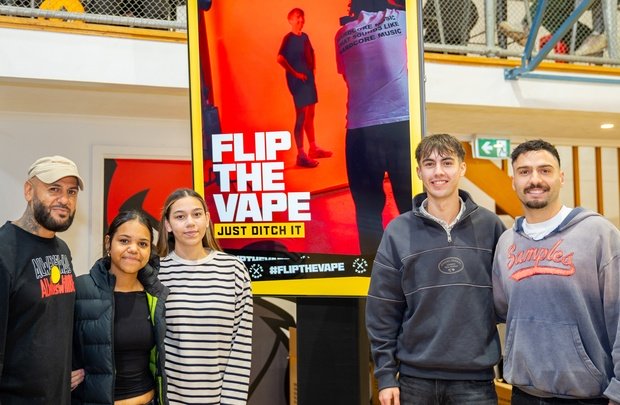

FlIp the Vape backed young people to quit vaping and generated more than 38 million campaign impressions, 920,000 video views and in excess of 42,000 click-throughs to quitting support and information, with schools across four states wanting more.
Young Aboriginal and Torres Strait Islander people this past year have told their health services they were tired of being lectured about vaping, and rather than wait and be instructed on what they might consider doing, they flipped the script themselves.
As Australia celebrates 50 Years of Deadly in this NAIDOC Week, the communities behind Flip the Vape produced the largest coordinated community-led anti-vaping effort the country has seen.
“This came out from the kids,” Jane Lennis, Tackling Indigenous Smoking Manager at Galambila Aboriginal Health Service, says.
“The young people were telling us they wanted to see it flipped in a different way.
“They want the truth around what it is, and they want the strength to say, yeah, nah.
“We have the solutions to our own problems, and the young ones have spoken.”
About 3 in 10 Australian secondary students (12–17 years) have tried vaping at least once, vaping use highest among 18-24-year-olds, with approximately 18 per cent currently vaping, and nearly 1 in 10 (9.3 per cent) reporting daily.
Research indicates a cultural shift, with a growing number of young people perceiving vapes as unsafe and associating the habit with embarrassment and stigma.
“We’re witnessing a real shift in behaviour and attitudes, and these results mark a significant step forward in protecting young Australians from the harms of vaping,” AMA Vice President Associate Professor Julian Rait says.
“We’re seeing fewer teens picking up vapes, less curiosity about vaping, and a growing sense of embarrassment around being a ‘vaper’.
“That signals a real cultural change – and that’s a win for families, schools, and communities.”
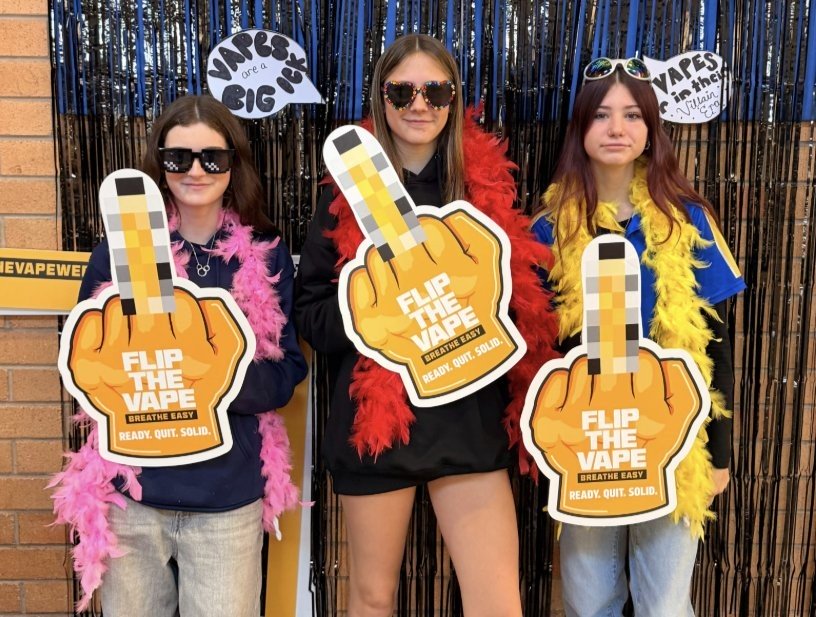
More than 1000 teens attended 11 community events across six states and territories, with attendees at Tasmanian events leaving with measurably more negative views of vaping than when they arrived and NT, young people beginning quit conversations with their families at home.
Exposure to vaping content on major social media platforms has dramatically decreased while fewer teens are purchasing vapes themselves, and curiosity about vaping continues to decline — with fewer than one-third expressing any interest in vaping.
“The message is getting through,” Rait says.
“Teens are telling us vaping is no longer seen as cool or aspirational; that it’s not something ‘everyone does’ anymore. It’s a turning point in how young Australians view vaping – and a major stride for public health.”
Flip the Vape Week ran from June 15 to 21 this year, delivered on the ground by six Aboriginal Community Controlled Health Organisations (ACCHOs) and Tackling Indigenous Smoking (TIS) teams across six states and territories (VIC, NSW, TAS, NT, WA, SA).
It was the first national Aboriginal-led week of action on youth vaping in Australia.
And well it might be; for the need is pressing. Around one in five Aboriginal and Torres Strait Islander people have tried a vape, 8 per cent currently vape, and First Nations people are 1.5 times more likely to vape than non-Indigenous Australians.
Young people who vape are significantly more likely to take up smoking.
Rather than lectures or scare tactics, Flip the Vape was built with young people, not designed for them from the outside.
It is characterised by humour, culture, community pride and peer-led storytelling.
At its heart was the Flip the Vape Challenge, with young people filming themselves choosing to flip the vape for something better and nominating their mates using #FlipTheVape.
Along with click-throughs to quitting support and almost a million campaign videos watched, critically, schools across states have invited teams back to deliver follow-up programmes.
In the Northern Territory, young people began quit conversations with their own families at home, while in South Australia, community members expressed a direct desire to quit smoking and vaping.
In Tasmania, attendees left events viewing vaping more negatively than when they arrived.
Outdoor advertising on buses, billboards, retail screens and street furniture in every state and territory delivered more than 35.6 million impressions, independently measured as reaching over 1.9 million Australians aged 14 and over, alongside 3 million paid social impressions directed to Aboriginal and Torres Strait Islander young people aged 16 to 24.
“Six ACCHOs across six states coming together and delivering this in the same week, with the same energy, was something we have not seen before in this space,” Lionel Austin, manager of the Preventative Health Unit at the Victorian Aboriginal Health Service, says.
“What struck me most was watching the young mob take ownership of it completely.
“They were not waiting to be told what to do. They were leading. That is exactly what this movement was built for.”
The week was led publicly by principal ambassador Courtney Ugle, a proud Noongar woman, Swan Districts WAFLW player and founder of Waangkiny.
“This isn’t just a campaign, it’s a movement,” Ugle says.
“Vaping gets in the way of the things that matter most, like training, family, showing up for your community.
“If you’ve been thinking about quitting, now is the time.”
Campaign materials and performance data are now being shared with government decision-makers as the movement builds its case for ongoing national support.
The organisers say the results demonstrate what community-controlled health can deliver at national scale when it is resourced to lead.
Young people, communities, youth services and schools are encouraged to flip the vape for something worth showing up for.
Click here for more quitting support or campaign resources.