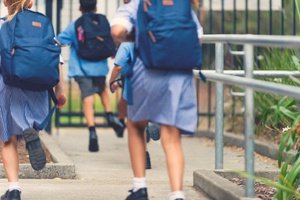
New rules to combat the threat of artificial intelligence in the classroom for senior high school students in New South Wales will take effect in Term 4 for those undertaking the Higher School Certificate, and aims to protect the integrity of the state’s formal examination process.
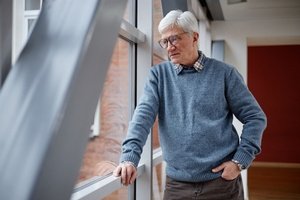
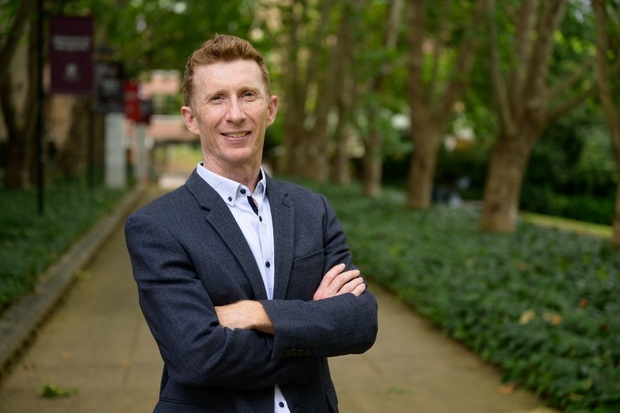
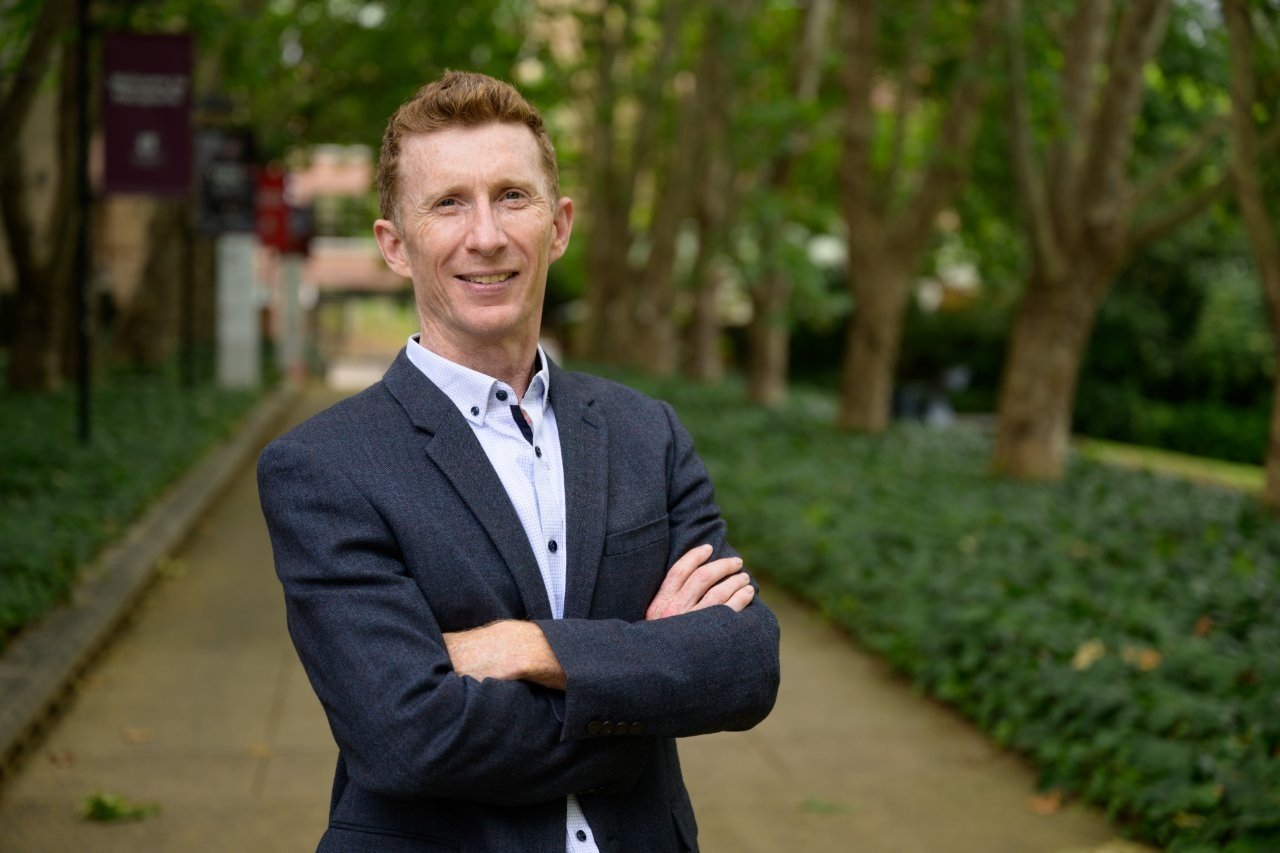
Professor Matt Bower, who contributed to the design of the Australian Framework for Generative AI in Schools, and currently leads the Research on AI in School Education (RAISE) Lab at Macquarie University, says it is a move that was needed to “more confidently and reliably assure student learning and the evaluation of student learning”.
Bower notes there are obviously risks associated with AI and cognitive offloading, or cognitive bypassing, but there are also opportunities.
“As well as trying to do everything we can to be able to reliably assure and assess student learning, we should also be looking to see how we can leverage AI to help improve student learning,” he tells EducationHQ.
NSW Education Minister Prue Car said this week that her state is leading the nation in responding to AI in schools by mitigating risks to Year 12 studies.
Senior years are being prioritised, although teachers and parents remain concerned about AI’s impact across all years of schooling, Car said.
“Teachers tell me that it’s proving very difficult to try and ascertain the use of AI in take-home assessments,” she told reporters on Tuesday.
The State Government ordered a review in August into the use of AI in schools, which would examine the impact on cognitive development and how schools can best assess students’ abilities in the modern age.
Half of a NSW student’s final High School Certificate result is based on school-based assessment, some of which is completed outside the classroom.
On Tuesday, the Government confirmed the new rules would limit schools to one take-home assessment task worth no more than 15 per cent.
Schools will be able to use a range of assessment types appropriate to each course, including exams, oral tasks, and process diaries, based on the nature of the subject.
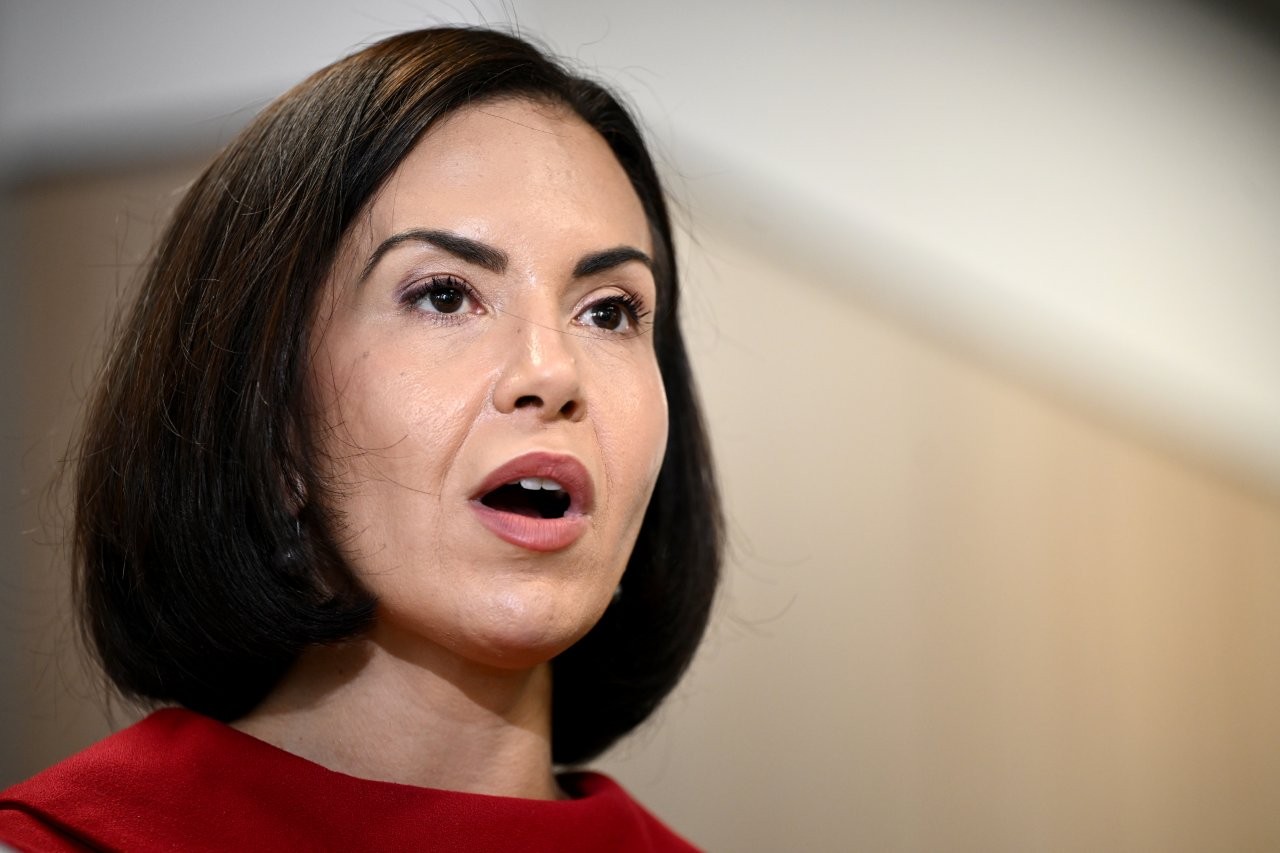
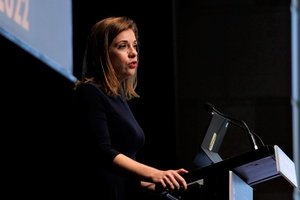
NSW Education Minister Prie Car says at the end of the day, the State Government has to protect the HSC and the integrity of the internationally recognised credential that it is. PHOTO: AAP
“It’s 2026, and we have to move to respond to AI because it’s going to have massive impacts on the way children learn, the way their assessments are marked,” Car said.
“At the end of the day, we have to protect the HSC and the integrity of the internationally recognised credential that it is.”
Bower said recent debate about the use of digital devices in schools and an online petition calling for device-free primary schools that has passed 28,000 signatures has been something of an overreaction.
“Over time there tends to be a pendulum swing from tech evangelism through to overwhelming social concern and then back again, depending on where we are in the cycle.
“Inevitably the best place for us to be positioning ourselves is somewhere in between where we’re carefully balancing the risks and opportunities.
“There are some great ways that technology can be used to improve literacy and numeracy and creativity and learning in general, not to mention the development of digital literacies that are really going to help students not only in their schooling and for learning, but into the future and promoting critical thinking.
“But there are undoubtedly concerns to do with overuse and destruction and in some cases even dependence or addictive behaviours with relation to technology use.”
The learning innovation expert said there are developmentally appropriate ways to be using technology that have heavy involvement from parents and teachers in the earlier years and in primary schools.
“But by the time they leave high school I personally want my children to be self-regulating and prepared to use technology independently and responsibly,” he said.
Research published by education consultancy Learning First in May found that half of surveyed NSW secondary teachers reported students using AI for schoolwork.
Nearly 3400 NSW teachers were interviewed for the study, with half concerned they do not know how to prevent AI-related plagiarism or cheating.
NSW Education Standards Authority chief executive Paul Martin said AI may offer students a short-cut to complex schoolwork, but it bypassed the opportunity to build knowledge and learning.
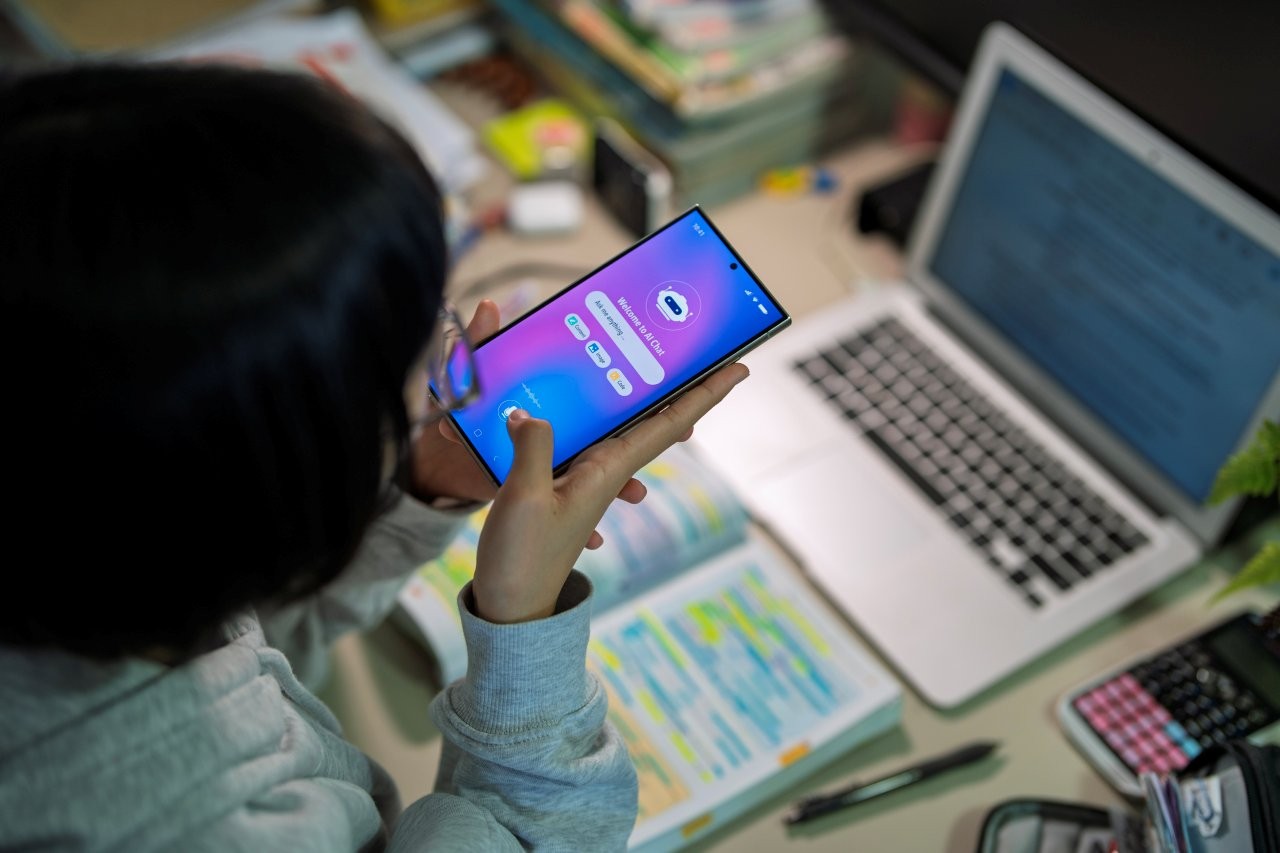
In May, nearly 3400 NSW teachers were interviewed for a study by education consultancy Learning First, with half concerned they do not know how to prevent AI-related plagiarism or cheating.
“These immediate measures being put in place are an important starting point while we consider additional ways to support schools who share our objective of protecting student learning,” he says.
Bower explained that the education sector needed to consider how it might integrate AI into assessment and be assessing how well students can use AI to amplify that impact and the quality of what they can do.
“So as an example, there are many ways that students may be able to level up creative outputs, and it requires careful thinking from teachers about where the effort needs to be in order for students to demonstrate that they’ve achieved the learning outcomes.”
An example of that, Bower says, is a teacher might set a task where students need to write some poetry as part of an English lesson and they could set it to music that’s generated by AI, but that actual poem needs to be something that they’re generating independently and reflecting on and demonstrating that process of learning.
“In a music class you might flip it and they can use AI to help much more extensively help them generate the words to their song, but you don’t want them using AI to be creating all the music, maybe it’s just providing some inspirational feedback,” he explains.
Ultimately, Bower says the difficulty for educators at present is trying to distinguish between what has been created using AI and what has been created via the student’s own original thinking, and the steps taken this week by the NSW Government do help in that respect.
We need to be rethinking assessment design generally, he shares.
“And there are certain principles around that that you can apply to make it more authentic ... and process-focused [to] actually make it more resilient to the use of AI even for those take-home tasks.
“Linking it to some sort of live performance is always a way to help assure that the student has on-boarded that knowledge and skills.
“Ideally, in terms of big picture thinking about ‘what is assessment really aiming to do?’, well assessments are aiming to really help students learn, to help teachers establish whether students have learned and actually, there are great ways that we can have students using AI to provide them with feedback on their writing, on even on their presentations, their scripts, their debate notes, everything.”
AI, Bower says, can be a personalised tutor or tool to help students go into those live performance assessments and perform better.
“So we needn’t position AI necessarily as the enemy, but we do need to position it as a support to student learning rather than a replacement of student learning.”