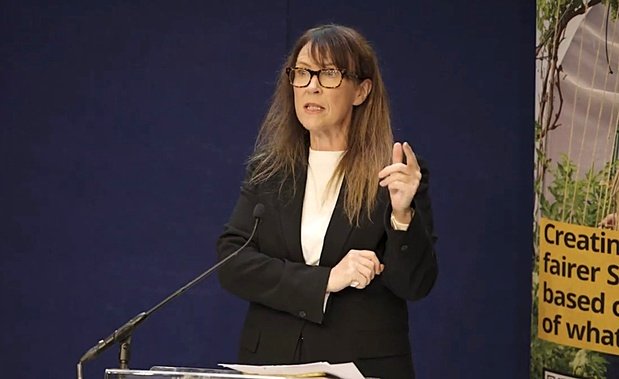
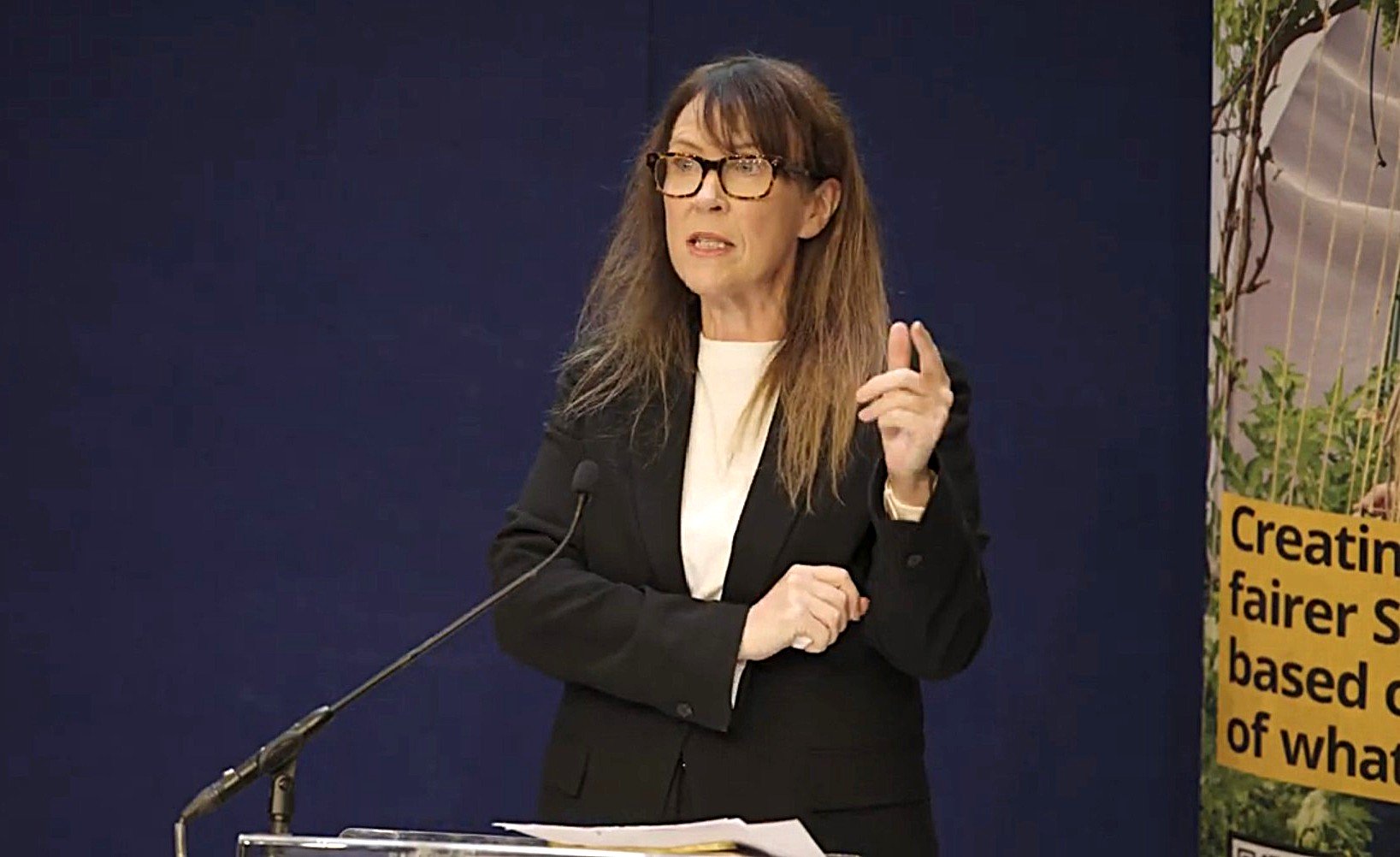
“The justice system is like an infection,” eminent Scottish forensic psychologist Karyn McCluskey told the inquiry on Friday.
“You get it once, it can become lifelong and life-limiting.”
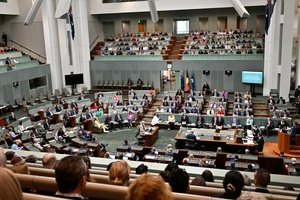
The NSW parliamentary inquiry is examining ways to reduce the number of children in contact with the justice system, looking at crime and its interplay with poverty, homelessness and trauma.
It was established after widespread reporting of a spate of youth crime, particularly in regional areas, which led to stricter bail laws for repeat offenders and large-scale police operations in 2025.
The inquiry was told Scotland in 2024 removed all people aged under 18 from detention.
The country also introduced special children’s hearings and implemented wellbeing policies to keep children engaged with school.
Child offenders were considered for their “needs not deeds”, McCluskey, the chief executive of Community Justice Scotland, said.
“That shifted us to a different place, from crime and punishment (to) focusing on a very child-friendly justice system,” she said.
“Most of the children who come to us in the justice system ... are not hiding, nobody (thinks) it is a surprise.
“They come from decades of failure of systems.”
Politicians of all stripes supported the changes because they were evidence-based, she said.
“I recognise it’s a challenge, particularly now with populism sometimes (trying) to overcome evidence.”
Child offenders were labelled “super predators” by a Princeton University professor in 1995, leading to sweeping legal changes including mandatory sentencing in the US.
That resulted in 109,000 children in juvenile detention and 14,500 in adult jails by the end of that decade, former New York City probation and corrections commissioner Vincent Schiraldi said.
After research ushered in youth support programs, there was a 78 per cent reduction in juvenile crime, he said.
A study comparing child offenders who were jailed to those who were not showed stark results, Schiraldi said.
Those who went into diversion programs generally gained social capital, graduated from school, went to work and had relationships.
“Kids in custody are experiencing ... criminal capital,” he told the inquiry.
“They’re associating with other young people who are delinquents ... they’re also not getting to make their own choices and learn from their own mistakes.
“The young people ... who got incarcerated had higher rates of reoffending.”
Arguments about jailing children could be challenged by looking at the enormous expense, Schiraldi said.
It costs more than $1 million per year to keep one child in a NSW jail, the inquiry was told.
National data released last month shows that Australia is increasingly locking up children who have not been found guilty of a crime, with unsentenced detention now the overwhelming norm in youth justice.
The latest Youth justice in Australia 2024–25 report from the Australian Institute of Health and Welfare (AIHW) reveals that four in five young people in detention on an average day are unsentenced, meaning they are being held on remand or pre‑court, not serving a sentence.
Justice Reform Initiative executive director Dr Mindy Sotiri said the data exposed a youth justice system that is relying increasingly on incarceration as a default response, introducing children to a ‘revolving door’ which is difficult to escape and carries lifelong impact.
“Detaining children who have not been sentenced should be an absolute last resort – instead, it has become business as usual,” Sotiri said.
“This is not only deeply harmful, it makes communities less safe in the long run.
Sotiri said there is no evidence that incarcerating children on remand reduces crime or makes communities safer.
“Although laws that restrict bail for children sometimes have political appeal, the evidence is very clear that this is a failed policy approach.
“Sending children to prison entrenches harm, increases the risk of reoffending and ignores decades of evidence about what actually keeps communities safe.
“Imprisonment disrupts education, family connection and housing – and it increases the likelihood of further involvement with the criminal justice system.”
The data shows the impact is especially severe for First Nations children. Almost all (98 per cent) First Nations children in detention had been in unsentenced detention at some point during the year, underscoring how frequently Aboriginal and Torres Strait Islander children are locked up without a sentence.
The Sydney inquiry continues and is due to sit in Dubbo, western NSW, in August.
(with AAP)