The campaign will roll out as part of ISA’s School Choice Counts platform and is supported by a major new report, The Great Education Shift, which brings together national data and parent research showing how families are reshaping Australian schooling through the choices they make.
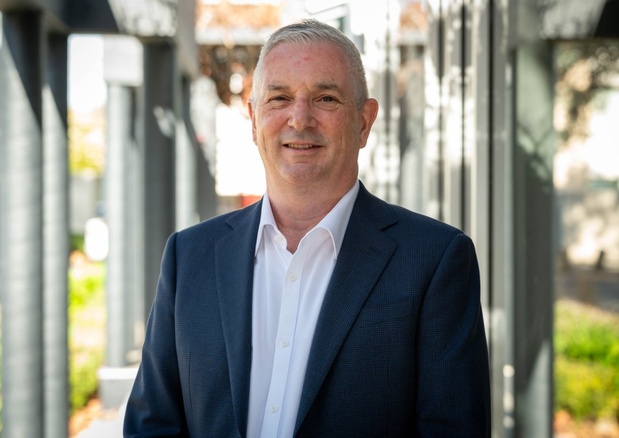
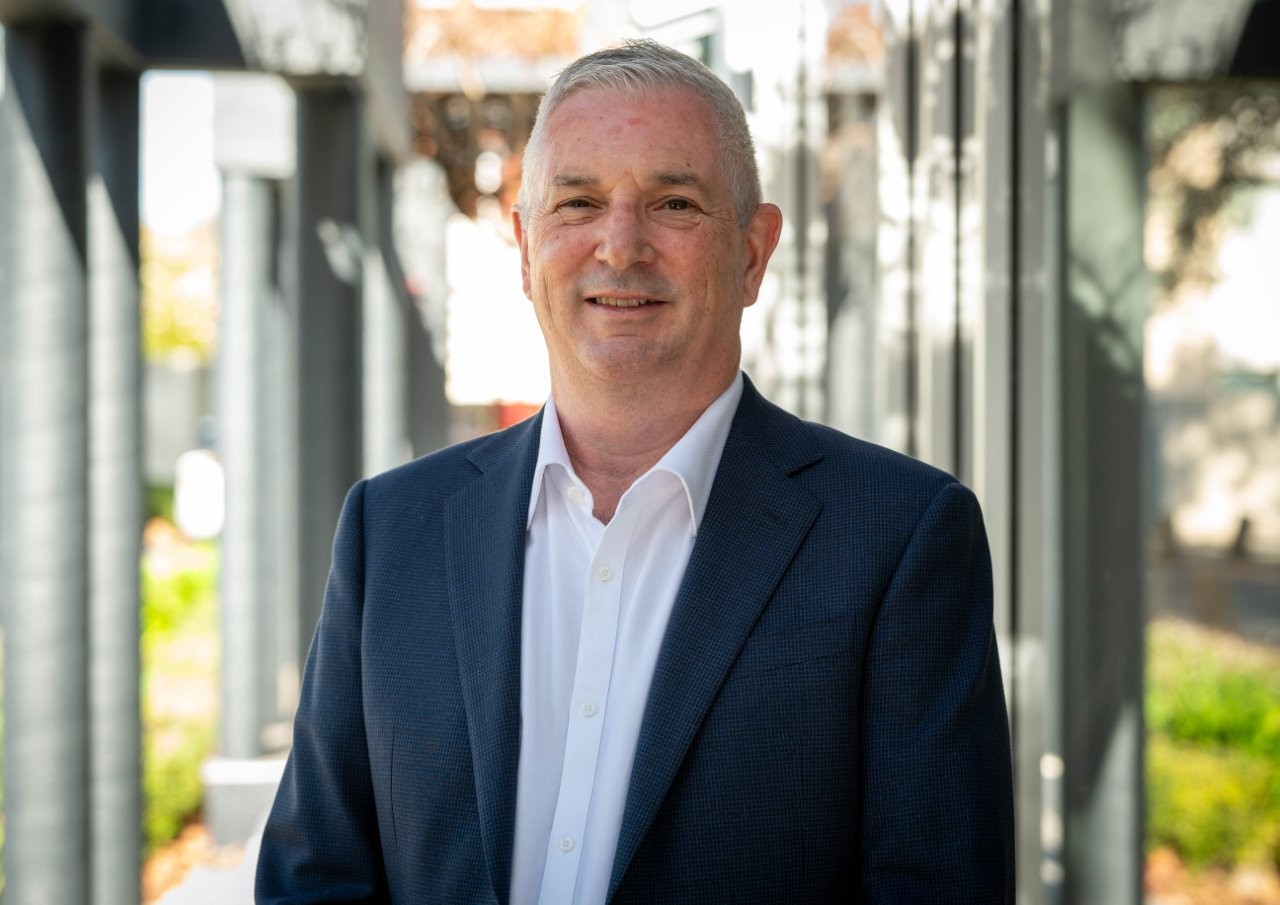
ISA CEO Graham Catt said the campaign was about giving parents a stronger voice in a debate that too often talks about them rather than listening to them.
“Parents are choosing. Policy should reflect reality,” Catt said.
“Independent school families have been stereotyped for too long. They are parents and taxpayers making careful decisions about their children’s education, often under real financial pressure.
“They deserve to be seen, they deserve to be heard, and they deserve policy settings that recognise the choices they are already making.
“Parents do not choose a sector. They choose a school – the school they believe is right for their child. When hundreds of thousands of families are making that choice, it is not marginal. It is mainstream.”
The AEU, however, has rejected what it calls “ISA’s attempt to reframe the national debate on school funding”, and says the real issue is not school choice, but inadequate funding of public schools in this country.
The ISA's campaign, the unions says, ignores the growing inequity in Australia's education system, where many private schools continue to receive generous Government funding while public schools remain under-resourced.
“Australia has one of the most inequitable school funding systems in the OECD. Many private schools receive millions of dollars in taxpayer funding while also collecting substantial fees,” AEU federal president Correna Haythorpe said.
“At the same time, public school teachers are working incredibly hard with limited resources to provide the education and support students need.
“Governments have a responsibility to ensure every child has access to high-quality public education, regardless of where they live or their family's income. That means prioritising investment in Australia's public schools.”
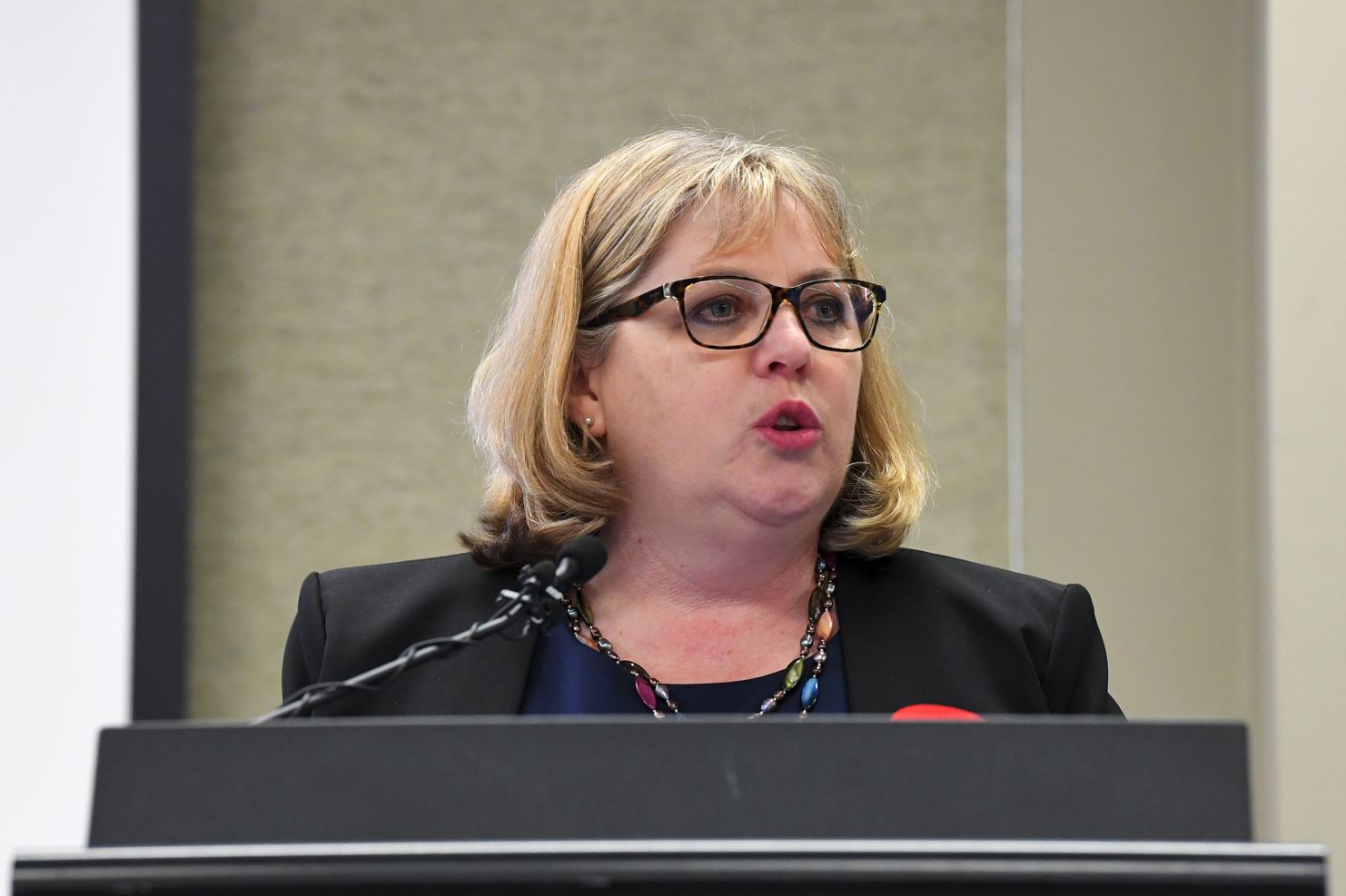
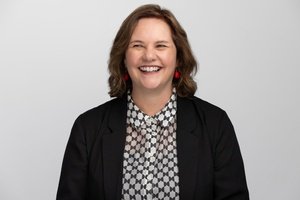
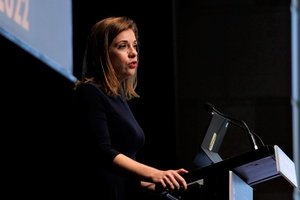
AEU federal president Correna Haythorpe says: “While some private schools are building literal castles, many public schools are waiting years for basic classroom upgrades, air conditioning, adequate toilets or learning spaces that meet the needs of students.” PHOTO: AAP
The Great Education Shift report reveals independent schools at present educate 767,712 students across 1240 schools, with enrolments growing by around 3.0 per cent in 2025.
Independent schools, the report suggests, have now outpaced government and Catholic school enrolment growth for eight consecutive years.
The report also shows families and school communities contributed $11.2 billion in 2024, meeting 51.8 per cent of the total cost of Independent schooling nationally.
Catt said the report confirms that parent choice is reshaping Australian education.
“This is not a slogan. This is a behavioural shift. It is a change you can see in the enrolment data,” Catt said.
“Families are choosing schools based on what they believe their child needs – academic quality, safety, student wellbeing, values and culture, high expectations and fit.
“This is a cost-of-living issue as well as an education issue. Families are already carrying a major share of the cost of schooling and policy should not make that harder.”
Haythorpe argued that private schools are now publicly subsided to a greater extent than ever before.
Over the last decade private schools in Australia have benefited from a number of special deals from the Commonwealth, she said, including the $1.2 billion Choice and Affordability Fund, $3.2 billion in overfunding through to 2029 to transition down to 100 per cent of the Schooling Resource Standard (SRS), and over $1.6 billion from the Commonwealth for capital works.
Haythorpe said that ISA itself has said that more than 30 per cent of private schools were overfunded by the Commonwealth in 2024 and 2025.
She said the Productivity Commission’s Report on Government Services 2026 showed that growth in state and federal government funding to private schools has outpaced funding growth for public schools by 30.6 per cent over the last decade, Commonwealth funding to private schools has increased by 43.2 per cent in real terms on a per student basis over the decade from 2014-15 to 2023-24, and that private schools received $17.96 billion in Commonwealth funding in 2023-24 – which equated to 62 per cent of all Commonwealth funding to schools.
“These facts expose a deeply unfair school funding system, with government funding growth continuing to favour private schools over public schools despite rising student need,” Haythorpe said.
“Public schools are doing the heaviest lifting in our education system, yet governments continue to fund them as if all schools face the same challenges.
“That is not equitable, and it is not delivering the outcomes students deserve. That public responsibility should be reflected in government investment.”
The ISA says the Great Education Shift shows that average government funding per public school student at present is $26,140 versus $13,550 per independent school student.
Catt said its campaign, which is running across ten federal electorates, plus Canberra and Adelaide, is intended to be positive, mainstream and focused on families.
It will feature billboards, digital advertising and online video across Wentworth, Mackellar, Curtin, Goldstein, Brisbane, Griffith, Melbourne, Wills, Boothby and Bass.
“Government, Catholic and Independent schools all contribute to Australian education,” he said.
“This campaign is about recognising the families who choose independent schools and the contribution they make.
“Parents are choosing, families are contributing, and policy should reflect reality.”
The AEU said the Albanese Government’s historic 20 billion investment in the Better and Fairer Schools Agreements over the next decade is an important step towards ensuring public schools are fully funded, but that governments must resist calls to divert scarce education funding away from the public system.
“The question is not whether families can choose a private school, the question is whether every child can rely on a strong, well-funded local public school,” Haythorpe said.
“Public education is the foundation of Australia's education system. It deserves to be funded as the national priority rather than taxpayer dollars continuing to subsidise already well-resourced private schools.”