Led by Professor Cheryl Kickett-Tucker, from Curtin University’s School of Education, the Moombaki Cultural Learnings research project has called for Noongar storytelling, ceremony and language to be embedded in the curriculum.
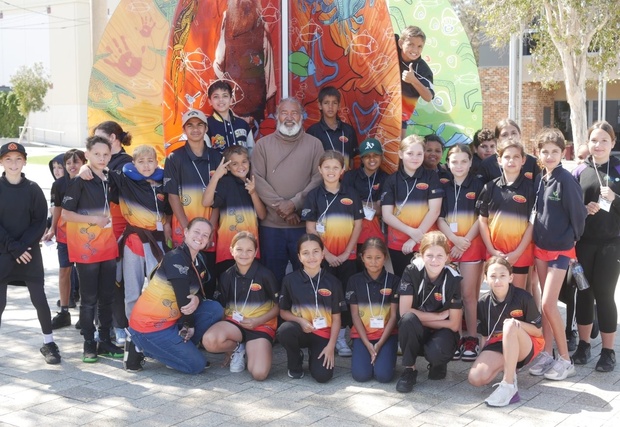
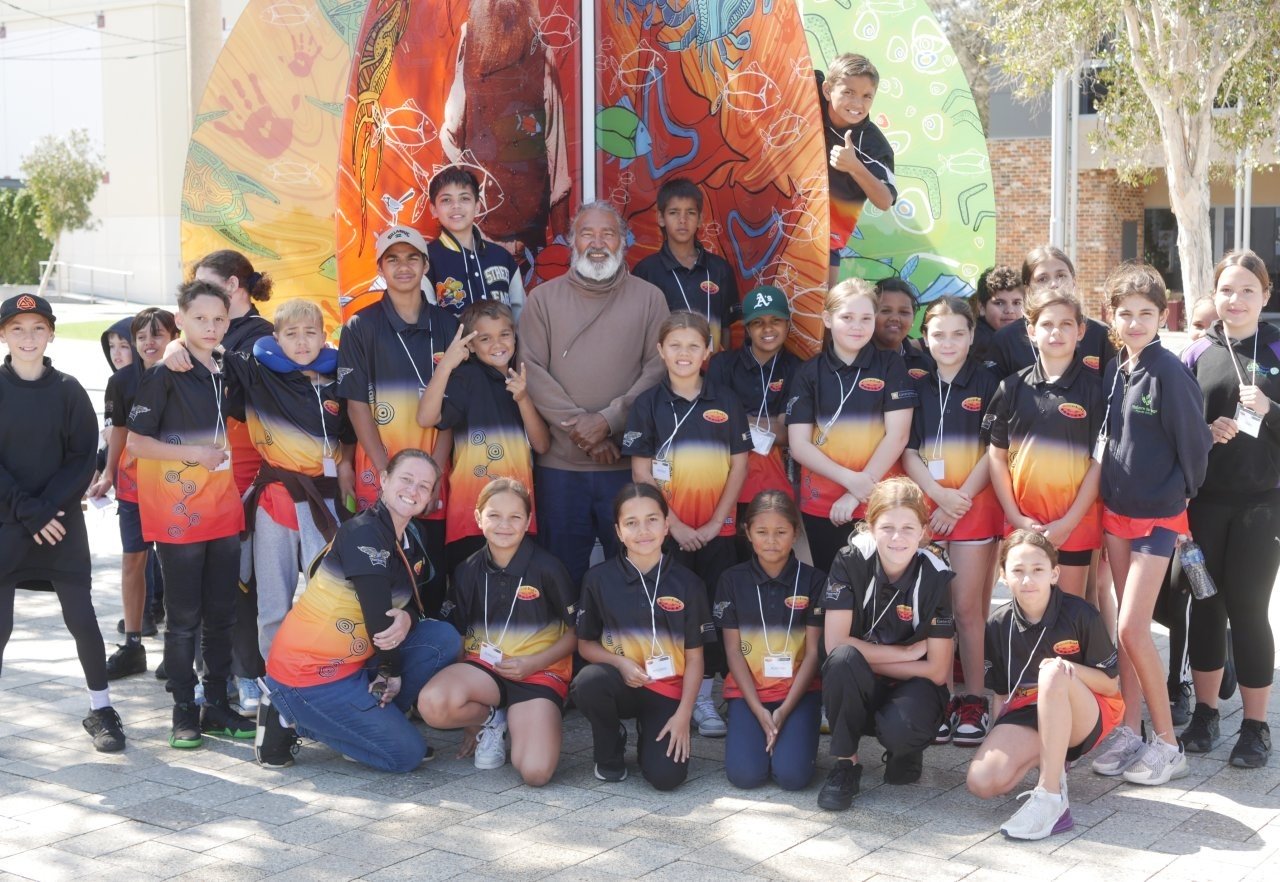
Co-designed with Elders, families, educators and children across three north-east urban Boorloo (Perth) schools, the project has demonstrated how authentic, community-led programs can transform Aboriginal children’s wellbeing, sense of belonging, cultural pride and engagement at school, laying the foundation for their success beyond the classroom.
The study used interviews, culturally grounded ‘yarning circles’ and classroom observations to capture the lived experiences of Aboriginal students, families and educators, alongside the co-design and evaluation of the Moombaki program.
The research also created practical tools for schools, which includes a virtual reality game that brings Aboriginal knowledge, language and storytelling into the classroom while also bridging the digital divide.
“Too often Aboriginal educators are left carrying the cultural load without recognition or sufficient support, while many non-Aboriginal school leaders mistake token gestures for genuine cultural inclusion,” Kickett-Tucker says.
“Moombaki has shown that when Elders, families and educators work together, children thrive.
“Noongar values such as humour, trust, warmth and connection must be at the heart of schools if we are serious about Closing the Gap.”
One of the most important outcomes of the project has been the development of a Cultural Integrity Audit, a practical tool devised by Kickett-Tucker for schools to measure their progress towards cultural safety.
The audit focuses on real actions such as embedding Noongar values in teaching and recognising Aboriginal educators as cultural leaders, providing a roadmap for schools to be held accountable.
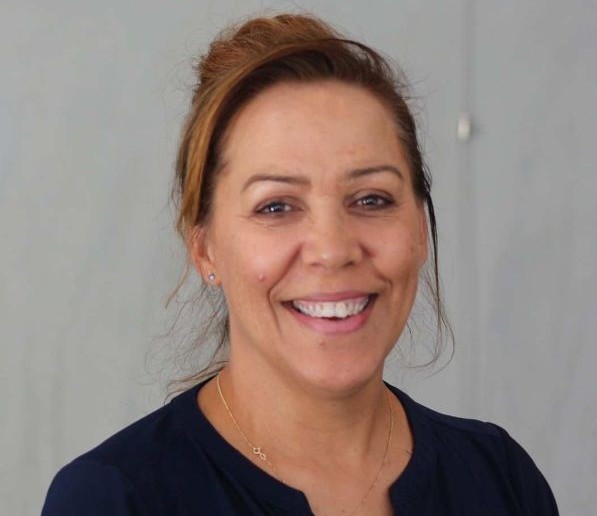
Professor Cheryl Kickett-Tucker says the project has strengthened connections between schools and local Aboriginal communities, reinforcing the importance of intergenerational knowledge-sharing and genuine partnerships.
“It was one of the biggest things we built, and it really came from the community, from the parents,” Kickett-Tucker tells EducationHQ.
“The first part of the tool included all the legacy pieces, like ‘do you have an Aboriginal education policy in your school?’ ‘Do you have a Reconciliation Action Plan?’ ‘What is your plan for engaging the Aboriginal community?’ ‘What are the resources you’re putting behind it?’
“‘Do you have an Aboriginal Education Officer (AEO)?’ ‘Do you have a female one and a male one?’ – because you’ve got men’s business, women’s business. ‘Do they have a ratio of one to 20 kids?’ – because in the schools we were looking at, it was one to 80 kids, or one to 50 kids.”
The academic says schools often expect AEOs to cover areas like cultural connections and cater to the wellbeing of the kids, but then also be in the classroom with students.
“The last part of the tool was the pretty stuff that people do in schools, like ‘oh let’s do a yarning circle’, ‘let’s put a plant there’, ‘let’s put a painting there’, ‘let’s put the flag up’.”
Tellingly, despite all three schools involved in the Moombaki Cultural Learnings Project being located in one of the most densely populated Indigenous areas of Perth, each failed the Audit dismally, with pre- and post- results of under 20 per cent.
Kickett-Tucker says by embedding Aboriginal knowledge and practices such as storytelling, ceremony and language revival, schools can help to build stronger identities, healthier children and more respectful classrooms for everyone.
But while the project offered much to inform a considered and proven way forward, like many Indigenous-led models and projects provided for state and federal government consideration, little or nothing has been actioned in terms of funding or even bare consideration.
The lack of action is reminiscent of the response to the MK Turner Report – a national plan for First Nations-led and designed education reform back in February 2024.
Developed in consultation with more than 60 Indigenous educators and presented by a delegation of Indigenous leaders and reps two years ago to Parliament in Canberra, the landmark blueprint offered governments six recommendations for reform, calling for the establishment of a First Nations-led education system as the key to reversing the failure of mainstream schooling, and creating a future where all children grow strong in identity, language and culture.
To date, nothing has come of it.
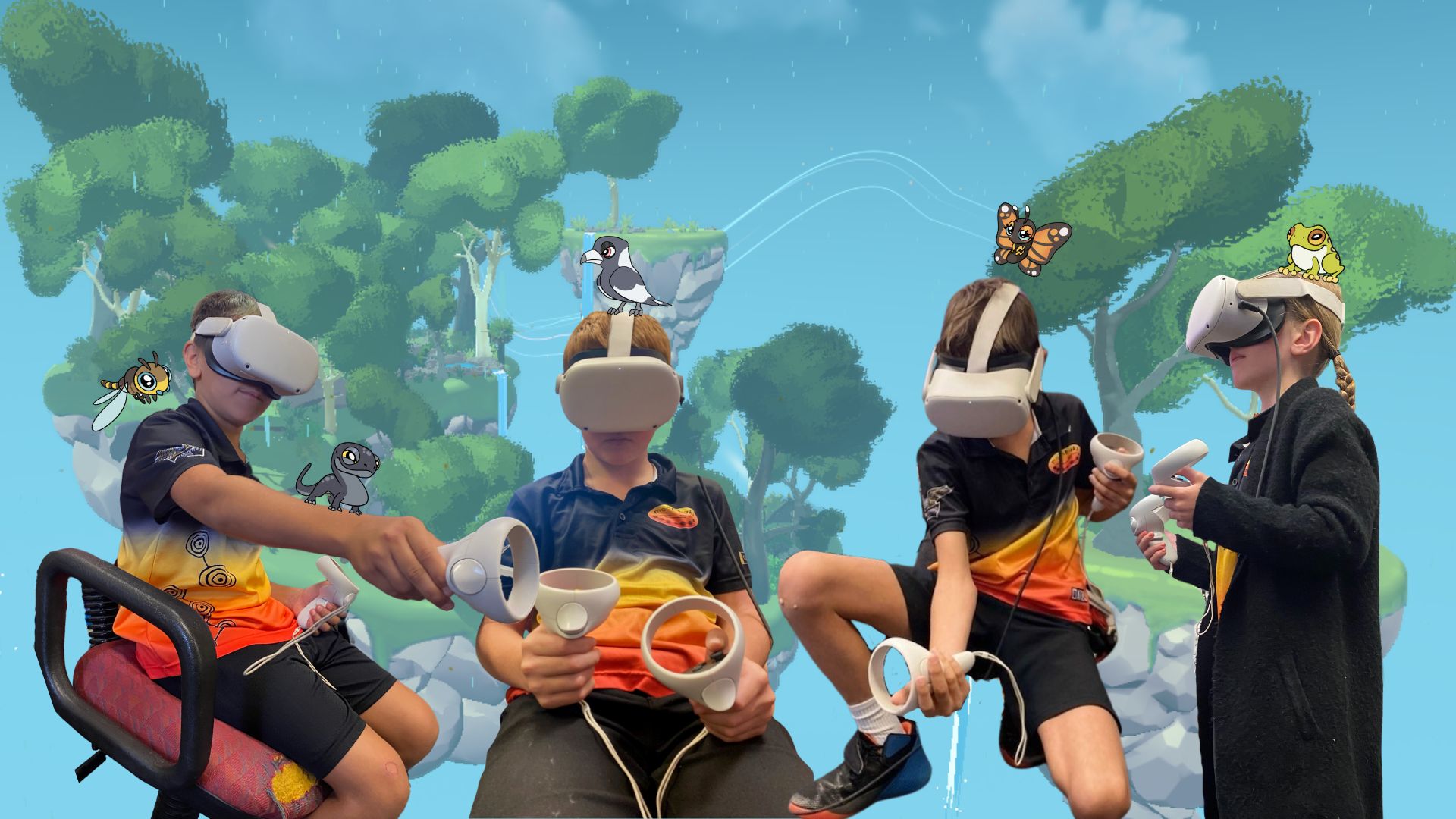
The Moombaki Cultural Learnings program includes a virtual reality game that brings Aboriginal knowledge, language and storytelling into the classroom while also bridging the digital divide. PHOTO: Curtin University
In August last year, First Nations educators representing in excess of 20 Nations and language groups gathered in Garramilla (Darwin) for the annual Utyerre Apanpe First Nations Educators Forum.
In its seventh year, the summit brought together Elders, cultural professors, senior educators and emerging leaders to shape and advance a national First Nations-led education system in Australia and to progress national reforms outlined in the M.K. Turner Report.
But after sharing practice across Nations, reflecting on the international context for Indigenous education reform and working on strategies for curriculum design, workforce development and cultural protection, what exactly has resulted from the gathering?
“When I finalised the (Moombaki Cultural Learnings Project) report in late September, I sent it out to (WA) Education Minister (Sabine Winton) and received no response from the minister at all. I think I sent out four emails, and made five phone calls.
“I then went through Professor Fiona Stanley, I went through the Minister for Aboriginal Affairs (Don Punch), asked him to intervene, went through another WA minister, Steve Dawson. Nothing, nada, not even the DG from the education department (Jay Peckitt). Nothing.”
Kickett-Tucker did receive a response from the Minister for Aboriginal Affairs eight days after she sent an email in early November.
“I met with him (Punch) in March because I was on academic leave – and again, it was just words.
“I gave him the report, received a pat on the back and a ‘see you later, mate’. That was it. Nothing’s going to happen.
“We do everything in our power to transform research into policy and practice, but it can’t go into practice unless it’s policy, in most cases, particularly when it’s government school’s, right. But they don’t listen. You can’t even get to the table.”
With impetus for any real change stalled following the failed Voice referendum, most Closing the Gap objectives not being met and the rise of populist right-wing parties like One Nation, Kickett-Tucker is concerned that not only government, but schools and the general population, have stopped listening.
“My own sister’s a school teacher, she’s been a school teacher for nearly 30 years. There’s pressure on our own people to do the right thing by our people – you’ve got to get that right, otherwise you will lose the respect and the relationships. And that’s our heartbeat, right?
“But we’re working with government and schools who don’t care. Seriously, I mean, to me, they just don’t care. Federal, state, doesn’t matter who they are, they don’t care.”
Kickett-Tucker, however, is far from done, not by a long shot.
“I'm born and bred of hard stuff and I come from a father who was a stolen gen. Unfortunately, we lost him three years ago.
“My mum's still around, they were absolute warriors in their day, a lot like many elders and seniors we still have with us today.”
The researcher’s great-great-grandfather, John Kickett, wrote a letter to the WA premier of the day, “it's in the museum”, to allow Aboriginal kids to go to school.
“I come from that stock, you know? It's in my blood to do the right thing.
“But I'm starting to question what to do now. I don't know if research is the way to go anymore, like if it's not getting taken up or even listened to...”