


A link with increased difficulties at 15 was only seen for very high use of electronic games and not other forms of screen use.
In the British study of 3786 children, 2598 of whom began the study aged five and stuck with it through to age 15, early high screen use was associated with greater difficulties at 10 years of age, but this association was not sustained at 15 years of age.
Increased screen use was not consistently associated with poorer development, highlighting the limitation of current guidelines solely focusing on duration of screen use.
A range of Australian experts on children’s use of technology say the study confirms their own data findings, however others suggest that given the children who were aged five in the study were that age in 2010-2011, most of them would have been using television as their primary screen media type then.
Dr Kylie J Stevenson, an associate investigator with the Australia Research Council Centre of Excellence for the Digital Child, has been talking to families and children about their screen use for more than ten years.
“I am greatly heartened to see the evidence presented by McQuaid and co, who further argue that “guidelines focusing solely on screen time may have limited impact on psychosocial outcomes”, she says.
“We at the Centre for the Digital Child have been saying the same for years.
“What is particularly positive is that this research is longitudinal and able to track outcomes of screen use at 5, 10 and 15 years of age.
“So often, research findings of one age cohort of digital children are applied to another age group, without consideration for development changes over time.”
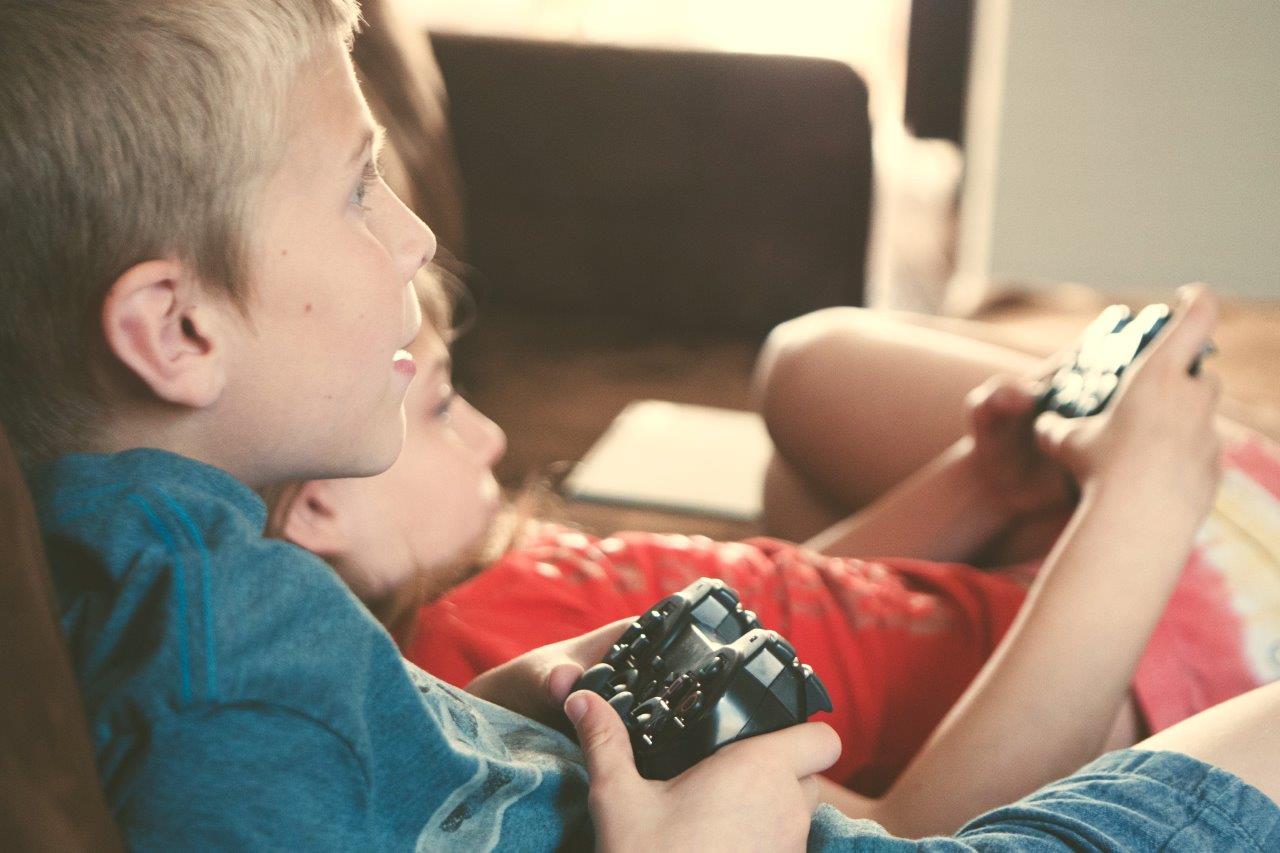
A shortcoming of the research, Professor Andrew Whitehouse says, is that it captures a period in time from a bygone era. “This is not the childhood of today, where smart phones and tablets are the primary screens, and are designed to capture attention and hold it for the longest period possible," he says.
World-leading children and technology researcher Professor Sonia Livingstone, an associate investigator with the Centre for the Digital Child, lead of the Digital Futures for Children Centre and an advisor on children and technology to the EU, has partnered with Australian researchers, including Stevenson and Professor Lelia Green to explore digital media use in early childhood in their book, Digital Media Use in Early Childhood: Birth to Six.
In a chapter called ‘Screentime’, the three argue that both the risk and opportunities of technology require our attention, but so often attention is all on the risks.
“This can set off ‘moral panics’ over technological innovation,” Stevenson claims.
“Parents may be particularly pleased to read this research; the job of tallying up the time their child spends on a screen is one less risk they need to panic about.
“Australian families also have access to outstanding resources, with both the risks and opportunities well covered, by the eSafety Commissioner.
The Centre for the Digital Child supports educators, parents, policymakers and children with evidence-informed guidance on “healthy family screen use” and “positive uses of digital technology”, showing that it’s not the screentime that may need attention, it is what is done on the screen.
Professor Adam Guastella is the Michael Crouch Chair in Child and Youth Mental Health at Children’s Hospital Westmead Clinical School and at the University of Sydney says the fact that the study examined children from a wide range of sociodemographic backgrounds, was its real strength.
“This work adds to a growing body of research that does not support an interpretation of a substantive link between screen time use and poor mental health and well-being,” Guastella says.
“The link is likely to be far more complex and dependent on a range of other factors (eg, type of use/ content, other enrichment from the social environment).”
Guastella says, however, that it is very difficult to tease apart any association; whether it is a cause, consequence or driven by something else, and the fact that these studies also rely on caregiver and self-reported reports of screen time use, means they can be unreliable, and so better quality studies are still needed.
Professor Andrew Whitehouse, the Angela Wright Bennett Professor of Autism Research at The Kids Research Institute Australia, says while the study is well conducted, his primary issue with the paper is not methodology, but relevance to current childhood.
“The paper describes an early childhood that no longer exists,” he suggests.
“These children were five years old in 2009. The iPhone had been on sale for two years and was still rare in the hands of parents. The iPad did not exist. The saturation of childhood by these devices came in the years afterwards.
“This means that across the early childhood, the children had almost no exposure to the ubiquity of smart devices as now exists.
The study, Whitehouse says, primarily looked at the influence of TV and gaming for young children.
“This is not the childhood of today, where smart phones and tablets are the primary screens, and are designed to capture attention and hold it for the longest period possible.
“There is emerging evidence that this type of screen use is associated with increased rates of emotional and behavioural development.
So, the main conclusion from this study, the academic says, is that time spent in front of the TV does not in itself appear to drive emotional and behavioural difficulties.
“But the impact of the modern smartphones and tablets on the developing child is a different question, and this study cannot answer it.
“Their early childhood came before the question existed.”