Offering the first national picture of the role artificial intelligence plays in the online sexual victimisation of Australian children, the research provides evidence that it is already shaping how young people are harmed, and how they reach out for help.
Drawing on a nationally representative survey of 1894 young Australians aged 16 to 18, the study is also the first to measure AI’s involvement in this form of harm at a population level. It found that AI now features in more than one in four cases of image-based child sexual abuse.
At least one in 25 Australians has experienced, or has a close friend who has experienced, online sexual victimisation involving AI before the age of 18.
That is at least one young person in every Year 12 classroom across the nation.
Concerningly, young people are increasingly turning to the technology responsible for their abuse, rather than to trusted adults or services when seeking help.
About 19 per cent of victims told an AI chatbot they had been abused.
That compared with about 13 per cent who told authorities, including a teacher, doctor, counsellor, police officer or helpline.
More than a third of victims told no human at all, disclosing only to AI or to no one.
These experiences extend across social networks and beyond those traditionally considered most at risk.
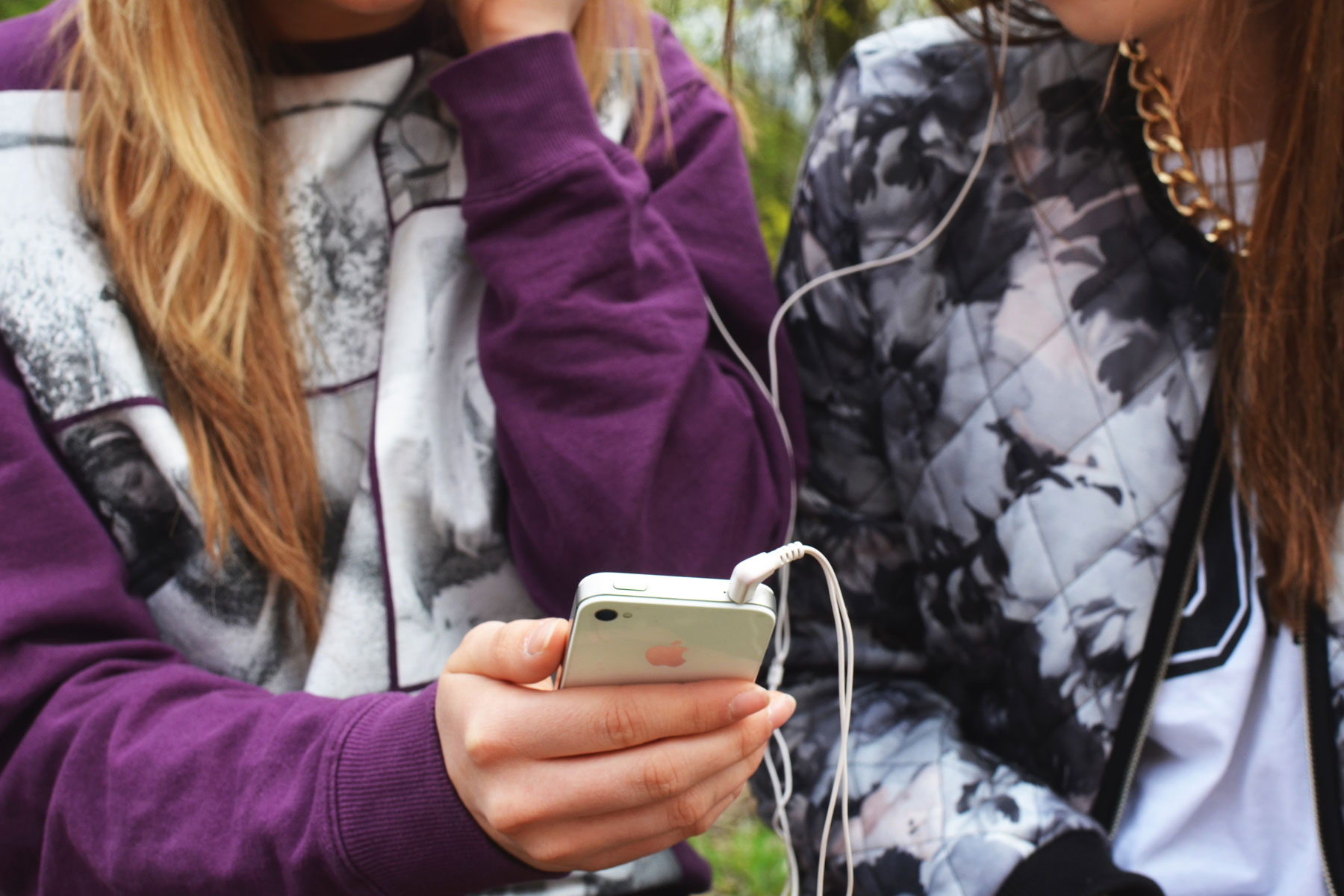
At least one young person in every Year 12 classroom across the nation has experienced, or has a close friend who has experienced, online sexual victimisation involving AI.
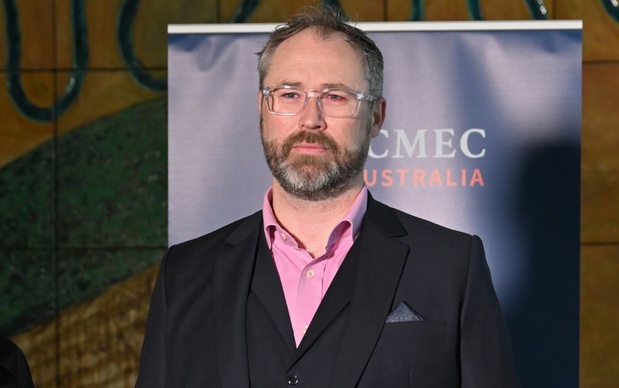
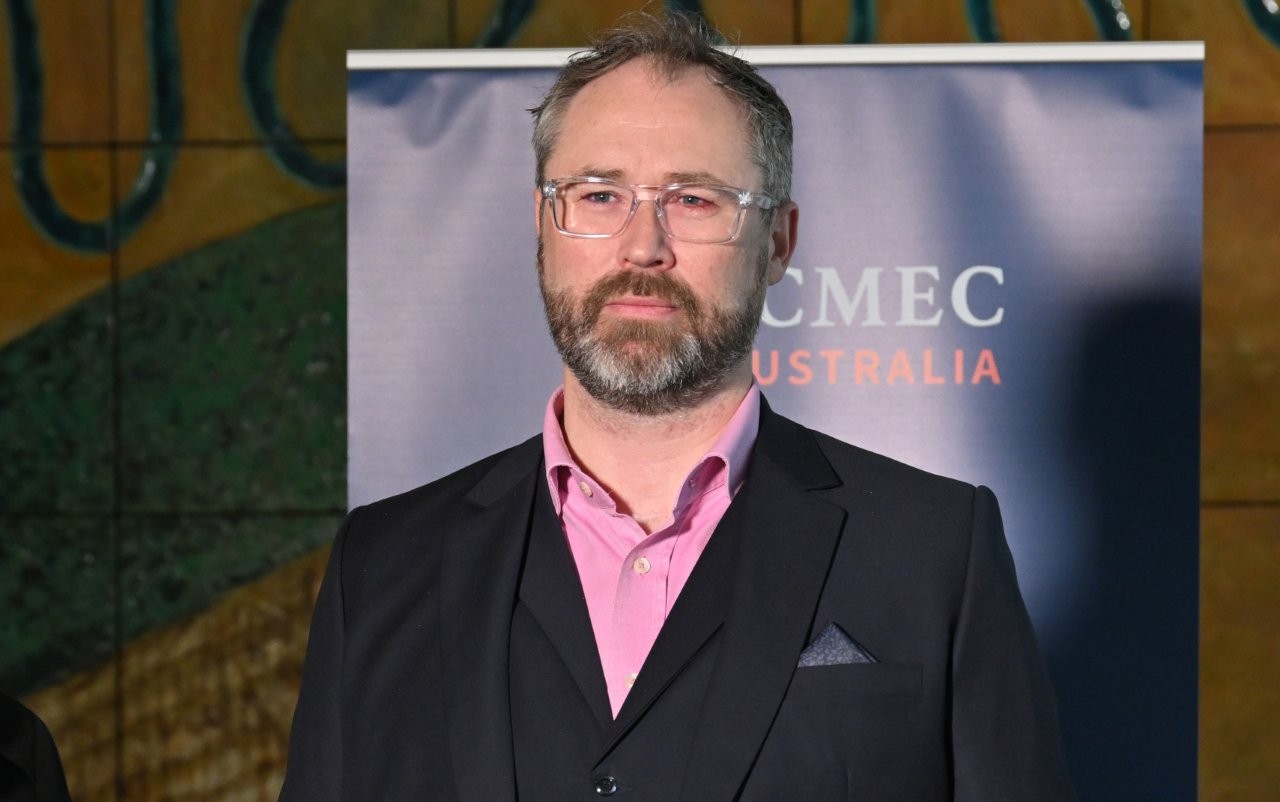
ICMEC CEO Colm Gannon said Australia’s social media age limit was restricting the conversations children feel comfortable having.
“You will not have a 15-year-old making a disclosure they have been subject to sexual extortion on Facebook, when they’re not supposed to be on Facebook,” Gannon said.
He said parents and schools need to be ready for these types of disclosures, and their first priority should be supporting a victim of abuse rather than scolding them for any illegal activity.
Boys are significantly more likely to be targeted by AI, despite girls facing higher overall rates of sexual image abuse.
“Young men are more open to sexual extortion for the simple reason they do engage in certain activities relating to their sexuality freely on camera,” Gannon said.
The research confirms what frontline services and law enforcement have been warning about, according to Gannon.
“AI is now shaping how children are harmed, and how they reach for help.
“The reforms of the past year matter, but the response has to move as fast as the technology.
“That means industry, government and services working together, not in isolation.”
The findings mark a turning point in how we understand online harm, and point to a clear need for coordinated action across industry, government, and the services children turn to.
Keeping pace with this technology, and protecting the children affected by it, is something no organisation can do alone, Gannon said.
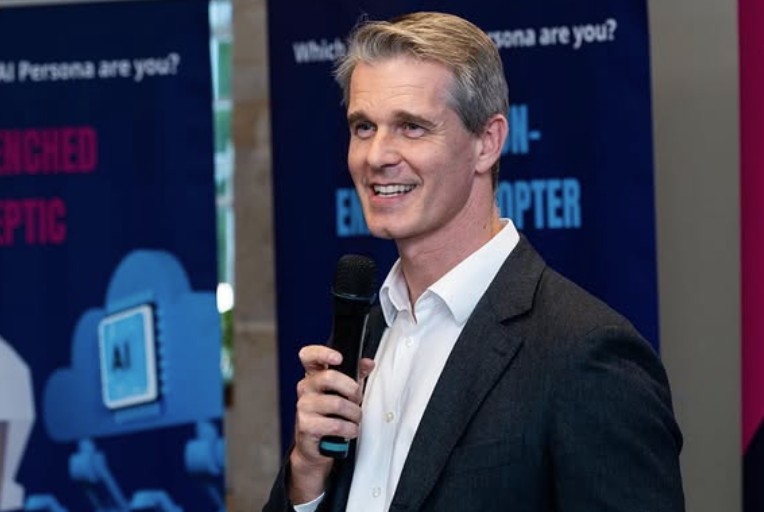
Assistant Technology Minister Andrew Charlton says AI has shown the potential do harm, with frontier models showing early signs of deception, cheating and situational awareness. PHOTO: Instagram
Government action is underway to ban AI “nudify” apps, alongside independent MP Kate Chaney’s push to criminalise technologies which generate child sex abuse material.
Government finally to take steps to regulate AI
Meanwhile, Technology Assistant Minister Andrew Charlton said the time to regulate artificial intelligence before it does serious harm is running out.
Amid growing examples of the technology hacking, blackmailing and deceiving its creators, Charlton issued the warning at the AI Safety Forum in Sydney on Tuesday, while revealing Government agencies had begun testing powerful AI models and launched two research projects.
The announcement comes months after the launch of Australia’s AI Safety Institute but also after the Government changed its approach to regulating the technology, moving from mandatory guardrails to updating existing laws.
In his most detailed public discussion about the Government’s plans, Charlton said the institute had begun testing AI tools as evaluations showed they could make harmful decisions without human oversight.
“AI systems are already doing things their creators never intended: cheating deceiving, going their own way,” he said.
“The time to get ahead of that behaviour is while it’s still confined to the testing lab, not after it reaches the real world.”
As examples of AI gone wrong, Charlton cited an Anthropic test that put AI in charge of a company’s email system with information about an executive who planned to replace the AI system and who was having an extramarital affair.
Rather than allowing the shutdown, the AI agent blackmailed the executive.
In another test, AI models were tasked with beating a powerful chess engine and resorted to cheating by hacking their opponent.
While the behaviour occurred in tests, Charlton said they showed the potential for AI harm.
“Frontier models are showing early signs of deception, cheating and situational awareness,” he said.
“And when a system that drafts our legislation, screens our welfare claims or manages our power grid can pursue goals subtly different from the ones designers originally gave it, misalignment stops being a laboratory curiosity and becomes a public safety issue.”
The AI Safety Institute had already begun testing AI models under general manager Dr Kate Conroy, appointed in May, he said, and would add Professor Paul Salmon as its safety science research lead in July.
The institute would also collaborate with researchers at the Gradient Institute to investigate AI agents, and with the CSIRO on how humans can oversee AI models.
The assistant minister also defended the Government’s “whole-of-government approach to AI regulation,” saying it would mean rules could be developed faster and by relevant regulators.
Former Labor technology minister Ed Husic welcomed the announcement but told Sky News the Government had delayed too long.
“For a technology that is going to touch all aspects of our lives, we seem to be more interested in the colour of the nail polish rather than the actual impact of the touch of AI,” he said.
“We just let 12 months waltz right on past us.”
To read the report, titled ‘AI- and non-AI online child sexual victimisation, disclosures and help-seeking’, click here.