The Queensland Teachers’ Union (QTU) said it is seeking the increase over the life of a school’s arbitration determination, which translated, means an initial 3 per cent increase, followed by a 7 per cent increase each year for three years.
The pay rise would be three times more than that offered by the Government last year of 8 per cent over three years, and already accepted by Queensland’s police and paramedics.
“This is a significant submission,” Brendan Crotty, QTU acting-General Secretary, told members in a video posted on social media.
“Most teachers and school leaders have had no salary increase since July 1, 2024.
“Inflation and cost of living pressures have reduced real wages. Salaries in comparable jurisdictions have moved ahead, and to add to that, the work of members continues to grow in complexity.”
The union’s submission is based on independent analysis it commissioned by economists from the University of Sydney Business School.
“The analysis looked at where the salaries of Qld teachers and school leaders currently sit, what is needed to return these to a competitive position nationally and what the future economic conditions are likely to mean for wages over time,” Crotty said.
“The QTU submission for 24 per cent, sits within this evidence-based range.”

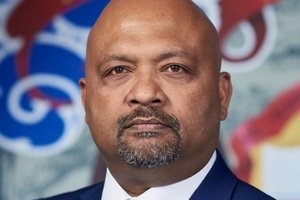
QTU acting-General Secretary Brendan Crotty says, “we have shown Queensland and our employer that we are united and immovable in our collective resolve to be valued”.
The expert analysis clearly confirms that QTU members’ 2025 decision to reject the Crisafulli Government’s State Wage Offer of 8 per cent over three years was justified, a statement from the union also read.
In the two years since many Queensland teachers and school leaders received pay rises, the statement said, all Queenslanders have experienced significant cost of living increases, particularly in fuel, energy, groceries, healthcare, insurance, and housing affordability.
Crotty explained that arbitration is not bargaining, but is a legal process, “which means it is essential that our submission is supported, tested and defendable in the Commission”.
With 50,000 paid up members, QTU is one of the most powerful education unions in the country.
“QTU should be really proud of the stand that we’ve taken. Very few unions have the membership density, industrial capacity, resources and organisational strength required to take on an employer as big as the Queensland State Government,” Crotty said.
In February 2025, the Queensland Department of Education formally commenced negotiating a replacement certified agreement covering the employment of teachers.
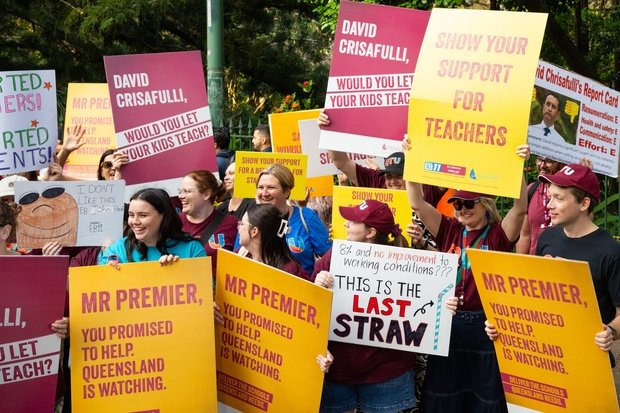
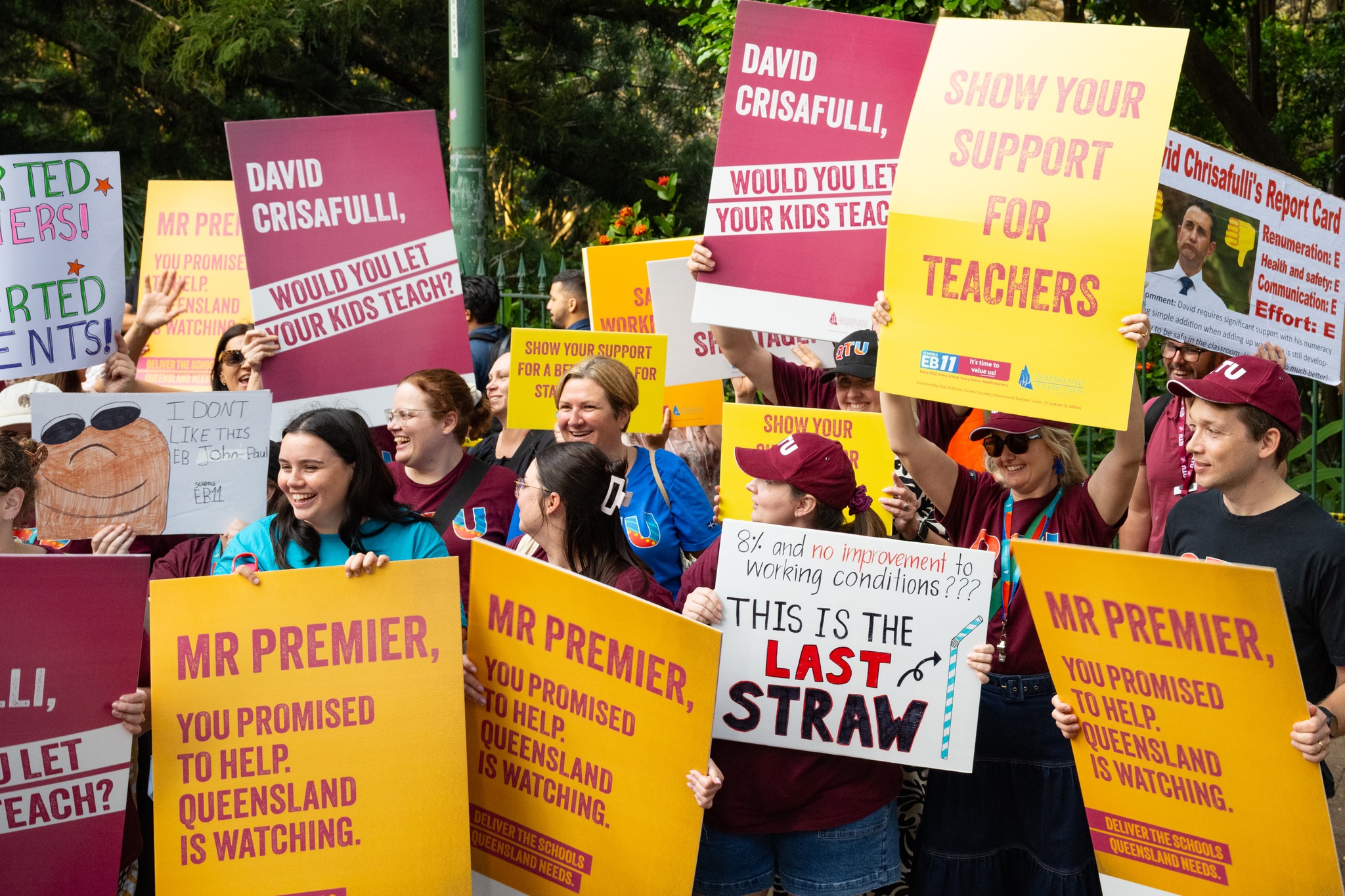
In June, the QTU received an offer from the Government to settle negotiations and formally rejected it. On July 28, following the rejection of another offer, the Department filed an application in the Queensland Industrial Relations Commission seeking assistance, and shortly after, on August 6, QTU members participated in a 24-hour stop work action.
This was followed by another 24-hour strike on November 25.
Crotty said the work the QTU is doing on behalf of members does not just say members are worth more, it builds a case to prove it.
“Members have been tested in ways that we did not foresee possible when we commenced our campaign to be valued 12 months ago.
“Over this time we have shown Queensland and our employer that we are united and immovable in our collective resolve to be valued.”
Education Minister John-Paul Langbroek said last week that the QTU was “fully aware” that choosing arbitration would significantly delay wage increases for their members.
“We will continue to work with the Queensland Industrial Relations Commission and the Queensland Teachers’ Union to ensure we can reach an agreement,” he told Brisbane’s Courier Mail.