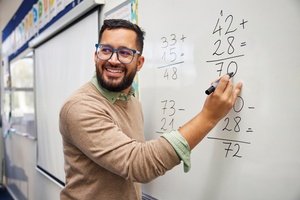
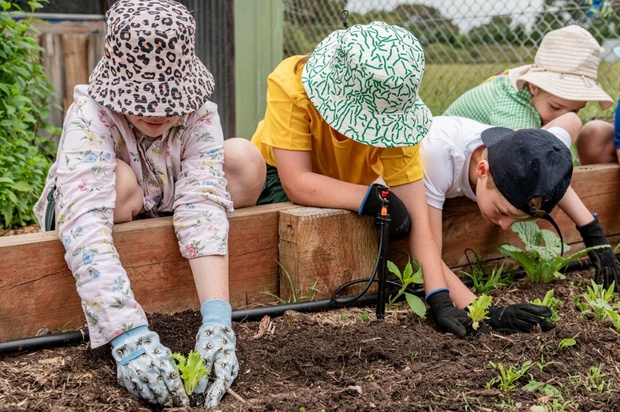
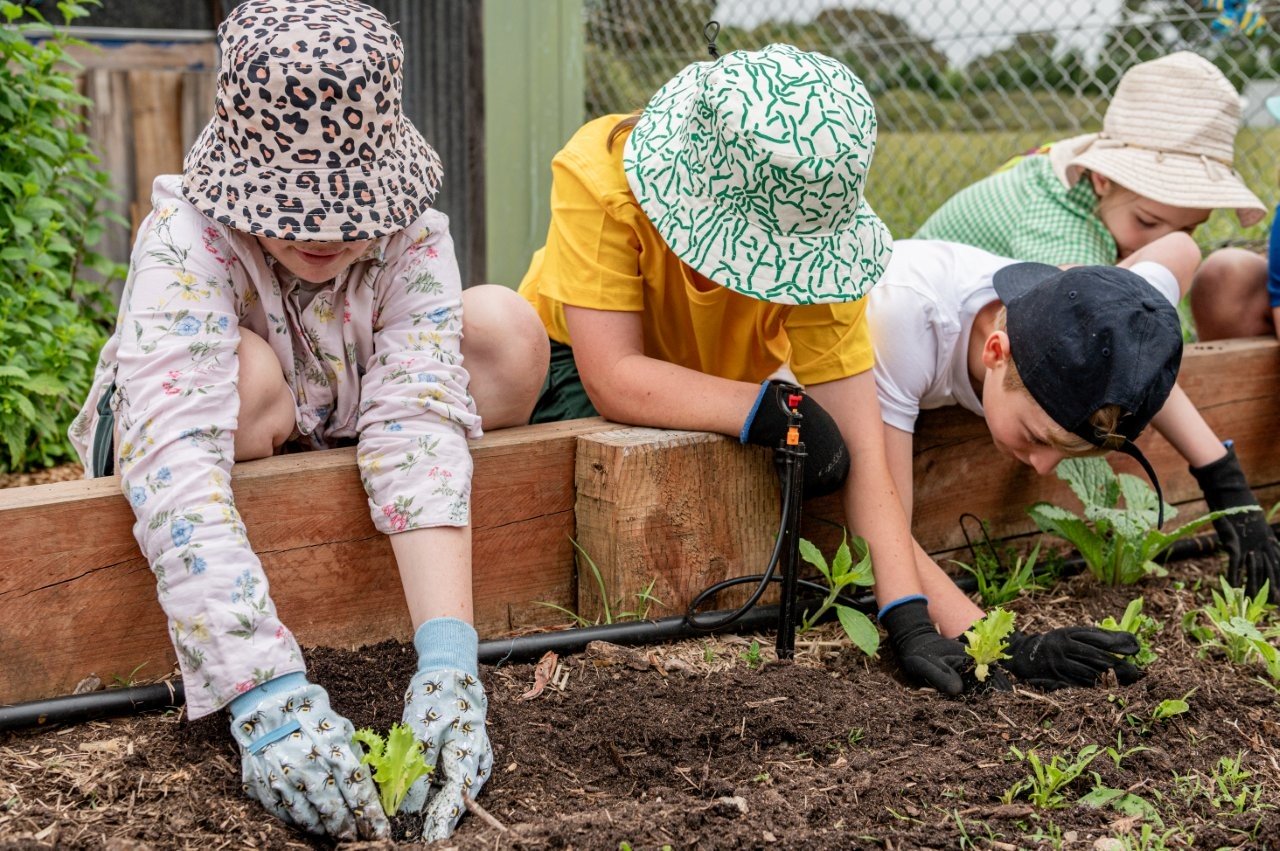
The Stephanie Alexander Kitchen Garden Foundation is at the forefront of this, with hands-on garden and kitchen classes transforming the learning environment, building broader community resilience and entrenching an understanding of the importance of sustainability.
As a nation, it’s something we should be proud of indeed should celebrate and for a third year The National Kitchen Garden Awards are once again doing just that.
Open to all schools and services across Australia (you don’t have to be a member of the Foundation to be part of the awards), this year’s panel of celebrity judges – including Kylie Kwong, Connie Cao and Darren Robertson, and, of course, Stephanie Alexander – will be awarding nine prize packs, each close to $5000 in value.
“What’s important in the school food space is that we get to celebrate success more often,” Stephanie Alexander Kitchen Garden Foundation CEO Rob Rees tells EducationHQ.
The Awards are a chance to showcase what thousands of schools, from remote communities to urban centres, are doing day after day.
“It’s that opportunity to really celebrate success and for other schools to see what you’re doing, and that celebrates everything that the foundation is about,” Rees says.
“It’s about letting all the schools do what they’re doing in their own way, collaborating with that and that shared table, sharing the information and knowledge on how to go about doing it. That’s really critical and this just puts a spotlight on that.”
The awards are spread across nine carefully thought-out categories, which gives all schools a fighting chance based on their own program focus.
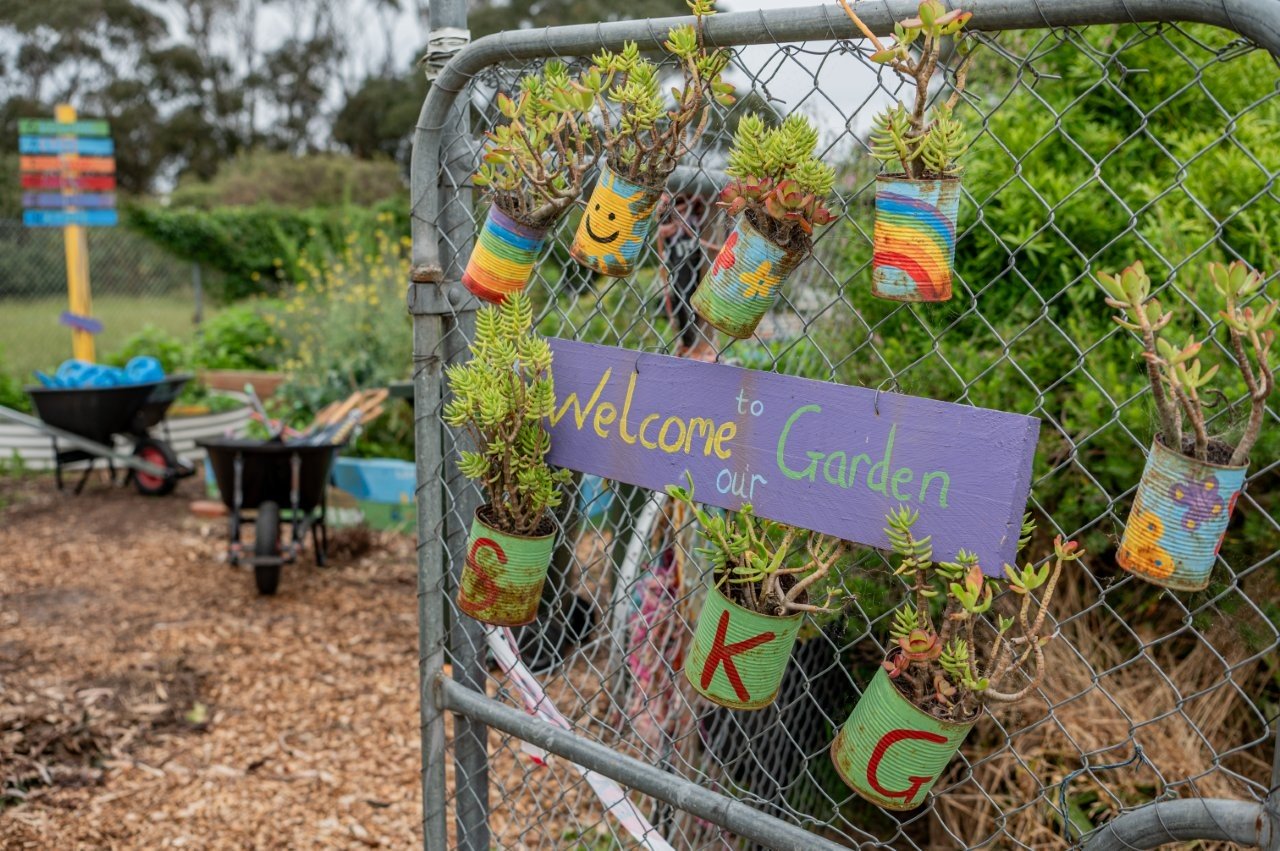
You don’t have to be a member of the Kitchen Garden Program to apply, entries are open to all Australian early childhood services and schools in every state and territory.
The categories are:
- Sustainable Solutions: some of the ways you’ve learned about sustainability, climate change and preventive practices.
- Recipe of the Imagination: how you’re inspiring young cooks to explore cultures, taste new flavours, and experiment with herbs, spices and ingredients.
- Wellbeing Champions: how a kitchen or garden activity has improved the wellbeing of children.
- Beyond the Gate: how your kitchen or garden has impacted families and community members around your school or early childhood service.
- Showcasing STEM: how your kitchen garden is a living lab where children explore real-world STEM.
- The Art of Kitchen Gardening: how you’re using nature and food to inspire creativity, self-expression and artistic exploration
- Kitchen Garden Trailblazer Award: how an educator, volunteer or staff member has shown creativity, dedication and leadership in inspiring children to grow and cook.
- The Next Crop: recognising young leaders who are showing passion or innovation.
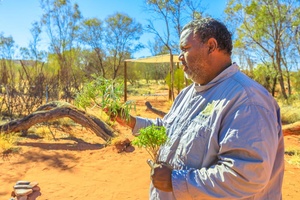
- First Nations Foods: how you are incorporating First Nations knowledge into your learning.
“We know there’ll be some schools that are really strong on the cooking, some that are really strong on the gardening, some are really strong on First Nations,” Rees shares.
The ex-pat Brit has a couple of his own personal favourite categories.
“The recipe of the Imagination’ is one I really like,” he shares.
“I’m a chef by trade and background, so having ‘what do these recipes look like?’ Kids cooking. ‘Who’s the future young chef out there?’ That’s a lovely one.
“And then the (Kitchen Garden) ‘Trailblazer’ – because it really celebrates the volunteer, the garden educator, the staff member that basically makes the magic happen every day. And it is magic. It really is.”
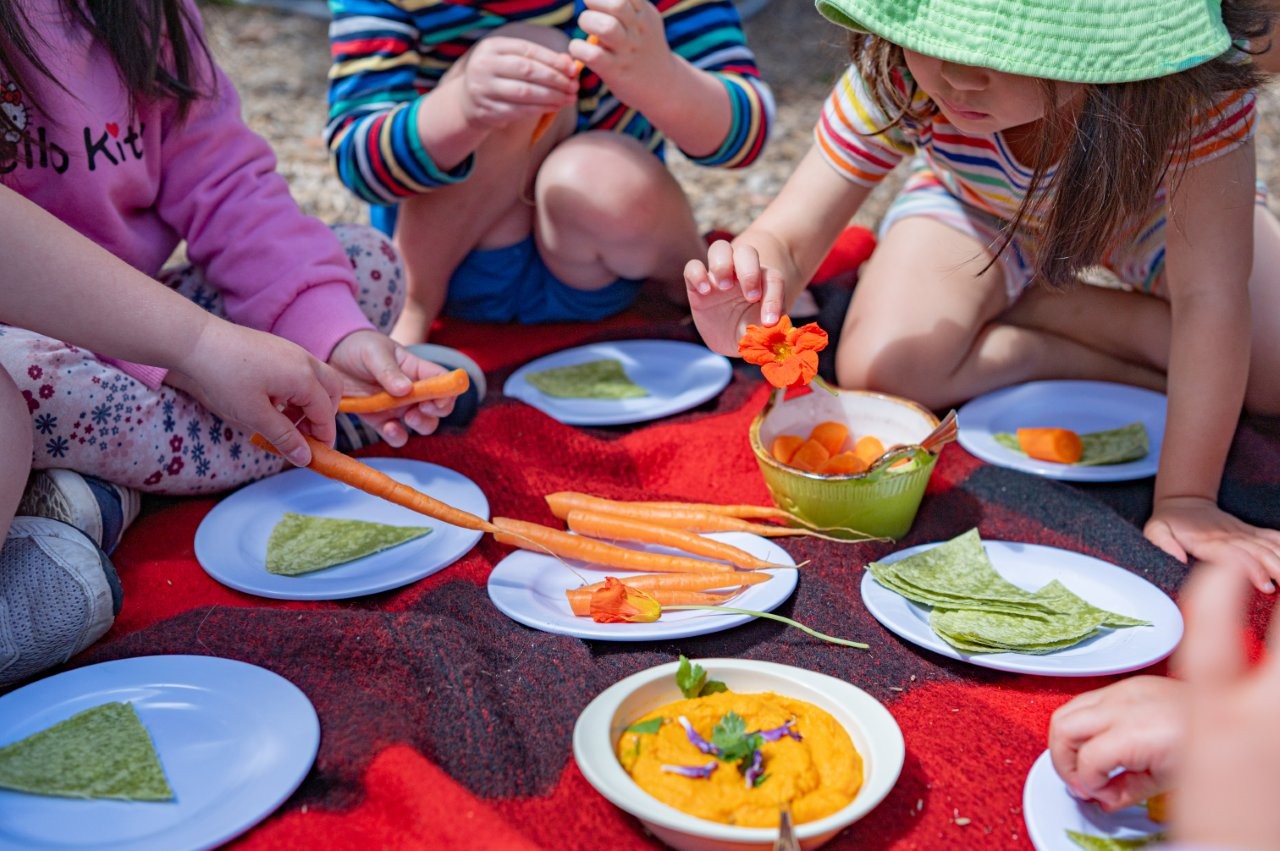
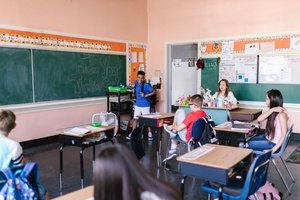
Food education these days means children are learning where food comes from, how to prepare healthy meals from garden-grown produce, and experience the joy of sharing — skills that last a lifetime.
Very intentionally, the competition is super easy to enter.
“Send us a picture if a picture is relevant,” Rees suggests.
“We’ve tried to make it as devoid of bureaucracy as we can.
“We’re looking for that creativity, that innovation and how what you’re doing is really empowering not just the school, but beyond the school gate,” Rees explains.
Having been established in 2004 with the sole purpose of enabling children and young people to form positive food, health, wellbeing and sustainability skills for life, one of the challenges for the foundation, Rees says, is to continue to stay relevant.
“So really making sure if you look at secondary school programs, that we start to support educators with anxiety, circular economic kind of issues, really thinking about that environmental practice,” Rees acknowledges.
“As I said earlier, it’s about going beyond the school gate. What does that look like? What does that really mean with communities? Do we focus on youth justice centres, for instance?
“We know we’ve got a couple of youth justice centres that are part of the program, and they’re using that practical experience to eventually provide work pathway skills and things like that.
“So these kind of innovations and bolt-ons, they’re all adjacent to Stephanie’s original kind of vision, but we’re not drifting away from the core of what we’re about.”
Click here to enter. Applications are open until midnight, Friday, August 7.