


Jo Hersey was grilled by opposition members in an estimates hearing on Tuesday, over what evidence she could provide to show the tough approach was working.
The Department’s school attendance officers have the power to issue parents with compliance notices if students fail to attend school for 20 days or more.
Continuing non-compliance can lead to parents being fined or put on income management programs.
For Term 1 of this year, the school attendance rate across the NT was 75.4 per cent, compared to Term 1 last year when it was 76.1 per cent.
The attendance rate for Indigenous students in Term 1 this year was 57 per cent compared to Term 1 last year when it was 59.2 per cent.
Non-Aboriginal student rates were 87 per cent in 2026 and 87.4 per cent in 2025.
Hersey flagged extreme weather events in early 2026 as a key cause of the slump as she defended her government’s tough line.
“There were areas around the Territory where there was flooding or we had cyclones when we saw many children, in Katherine for example, did not go to school for a considerable amount of time,” she said.
The Territory felt the impact of tropical cyclones Fina and Narelle and other heavy-rain events that raised river levels and flooded communities across several months in late 2025 and early 2026.
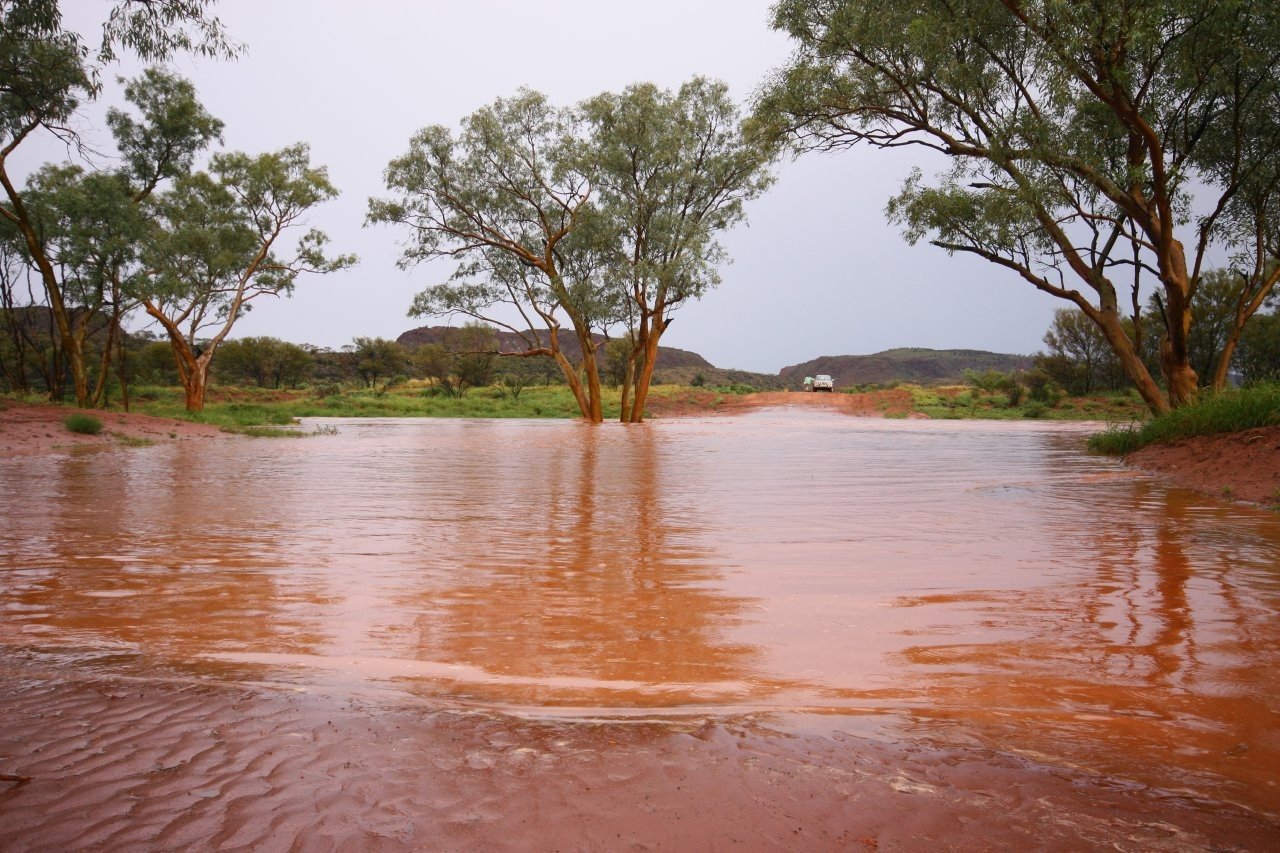
Between February 3 and May 22, major flooding has heavily impacted the Northern Territory's Top End and Big Rivers regions following a severe tropical low that brought unprecedented rainfall.
Opposition Leader Selina Uibo questioned the minister’s claim that school attendance was down due to seven extreme weather events.
“If you are looking at the whole picture the explanation of the seven weather events does not account for all of the decreases across the Northern Territory,” she said.
NT Education Department deputy chief executive Paul van Holsteyn told the committee the impacts of the weather events on attendance should not be characterised as small, with some schools significantly affected.
The committee heard that the latest yearly figures showed 1395 compliance notices were issued for truancy along with 61 fines, set at $378 for adults, while 36 families were being income managed.
Hersey made no apologies for the tough-on-truancy approach, saying it was against the law for parents not to send their children to school.
The NT Government had made a conscious effort to get school attendance and engagement officers out into communities to work with families to get their children back into school, she said.
“We want to get these children into jobs and being productive members of our community and helping rebuild our economy.”
But while the Government has defended its penalties as a way to ensure the safety and future employment of Territory children, these approaches remain highly controversial.
Community leaders, independent policy institutes, and opposition members have frequently criticised the policies, arguing that families need targeted support and classroom resources rather than punitive measures.
Critics argue that policies fail to tackle external barriers that prevent children from attending school, such as inadequate housing, extreme weather, and intergenerational trauma.
Advocates and educators claim that applying standardised education policies to culturally and linguistically diverse students (particularly in remote Indigenous communities) widens the gap in literacy and engagement rather than closing it
Nationwide, around 40 per cent of Australian students are now chronically absent, missing at least one in every ten school days.
Grattan Institute data shows that about 11 per cent of students are absent on any given school day, with attendance falling in 96 per cent of schools nationwide since 2018.
Across Years 1 to 10, ACARA data showed the national attendance rate last year sat at roughly 88.8 per cent, having slightly improved from 88.3 per cent the previous year.

School Attendance Officers patrol NT public spaces and transport hubs during school hours, issuing compliance notices that can escalate to significant fines and involuntary income management for parents.
Most absences are driven by medical issues, illness, and mental health struggles (which doubled post-pandemic), rather than simple truancy. Unexplained absences, however, still account for an average of 5.3 days per student annually.
Federal, state, and territory education ministers have committed to getting school attendance back to pre-pandemic rates by the end of the decade, however Grattan Institute researchers say hitting this ambitious target will require a fundamental rethink of how we prioritise school attendance in Australia.
They claim new approaches – by politicians, principals, parents, and the wider community – are needed to encourage attendance and overcome barriers to going to school.
In a policy brief, they suggest Governments should take five key first steps:
- Launch a public campaign explaining why attending school is so important.
- Overhaul the way school attendance data are collected and reported.
- Identify schools with strong attendance records and spread their methods to other schools.
- Give parents better health advice on when their children should stay home – and when they should go to school.
- Make school attendance an urgent, whole-of-government priority.
- A national focus on school attendance – starting with this five-point plan – would help to give every Australian child the chance to learn, every day.
(with AAP)