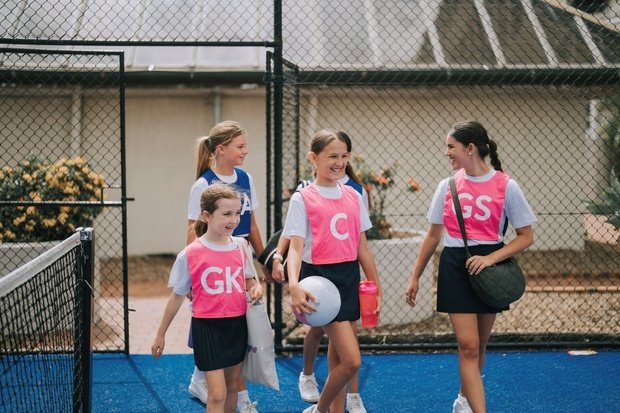
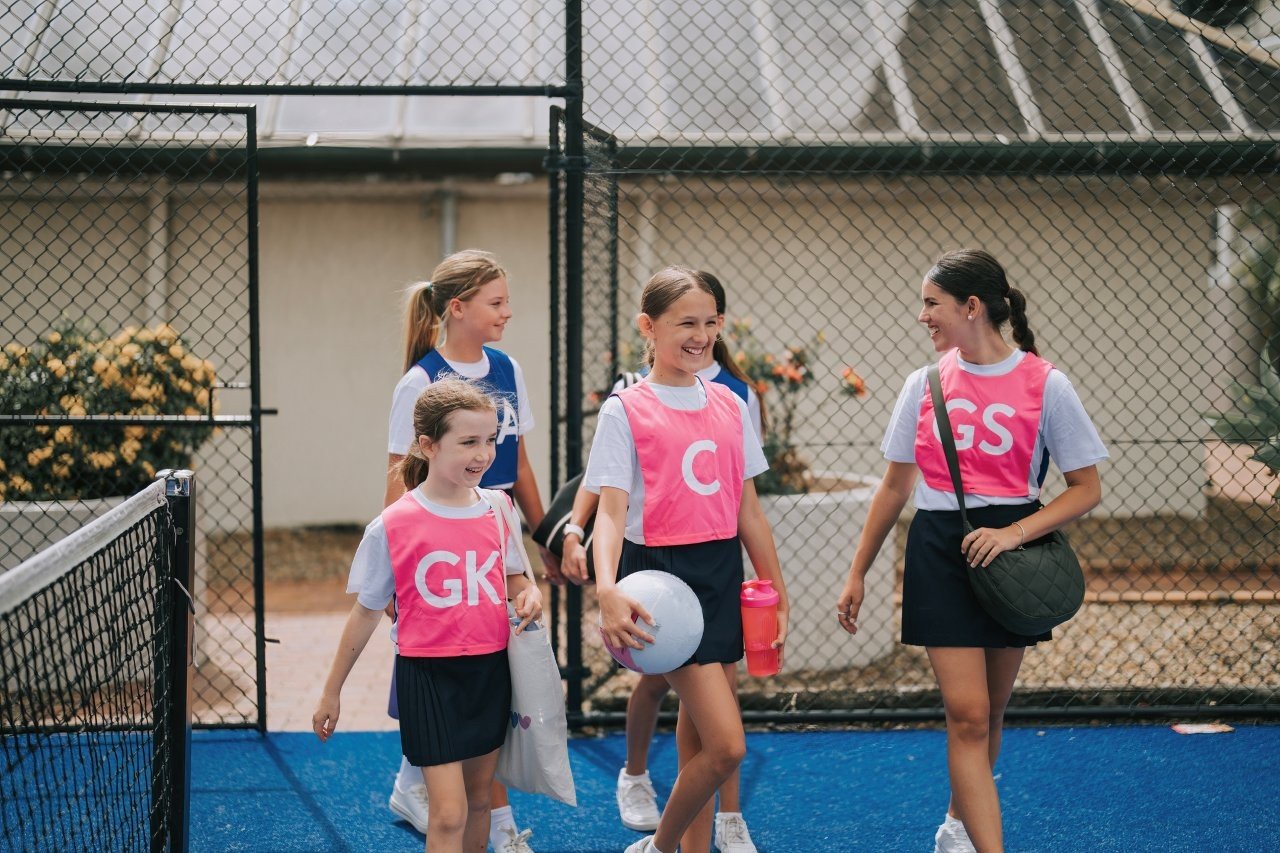
But there’s an escalating issue that she, and many local sport administrators across Australia, are grappling with.
“New people would come to the club and try out, and they loved it. Then as soon as they heard the fee structure and what they had to invest to get their kids to play, you could see them just turn off,” the Fawkner Netball Club president said.
“Ultimately, we want to see kids of all ages and backgrounds being able to play sport. It’s important for them.”
A groundbreaking report commissioned by the Australian Sports Commission (ASC) has found the average annual total cost for a child to play in a community sport competition is more than $4500, while adults are forking out about $2900 per year for themselves.
The study, which surveyed about 5500 sport participants, concluded that those figures are considerably higher than previously reported numbers, which have largely been linked to registration fees.
But even entry-level costs, which include uniform, equipment and registration fees, amount to about $1200 per person on average.
The numbers, which factor in hidden costs such as the loss of parental income because of children’s sporting commitments and travel, detail the true toll of Australia’s cost-of-living crisis when it comes to sport.
Of the children who participated at the community level, 73 per cent participated in a team sport, and 27 per cent in an individual sport. Three quarters of children participated in a large sport (73 per cent), 20 per cent a medium sport and 7 per cent a small sport.
A total of 67 different sports were represented with the main sports being Football (soccer) (21 per cent), Basketball (13 per cent), Netball (9 per cent), Swimming (8 per cent), and Australian Rules Football (7 per cent).
The cost of sport participation varied considerably across sports, with individual sports generally more expensive than team sports.
The highest costing sports included Water Polo ($15,694), Equestrian ($13,947) and BMX/mountain biking ($11,699). The sports with the lowest costs included Taekwondo ($1127), Softball ($1643) and Athletics ($1970).
For adults, motor sports ($14,551), weightlifting ($8923), and equestrian ($8580) are the most costly.
Despite Saturday morning games or Wednesday afternoon training sessions becoming a money drain for families, ASC chief executive Kieren Perkins believes the research will help ensure participation remains accessible for as many Australians as possible.
The ASC is collaborating with governments and sporting bodies to identify how best to reduce costs without cutting into the core experience of kids playing games.
The Fawkner Netball Club has already begun making its organisation more inclusive by requesting grants, while offering second-hand uniforms and instalment plans.
“We do have some members who say it’s just too much, and so we help them apply for a grant ... offered through Netball Victoria to cover membership fees or registration fees up to $500,” O’Brien said.
“Parents have realised that we are an affordable option who are intent on making everyone feel welcome and provide them with a place of belonging.”
The Wests Brisbane Junior Rugby League Club has introduced tiered registration pricing, meaning fees are reduced for families with two or more players.
The club also supports state government voucher programs, which in Queensland reduce costs by up to $200 per child.
Despite the need to keep expenses low, president Gareth Pritchard admits the organisation bears the brunt of rising maintenance fees.
“We do fundraising initiatives ... we’ve got a good canteen that’s profitable. We’ve got a new clubhouse,” Pritchard said.
“By looking at ways that we can generate more income, we can just invest that back into more equipment, new tackle bags ... (and) things like water, which is killing us.
“Even just basic mowing and maintenance, the costs have gone up.”
(with AAP)